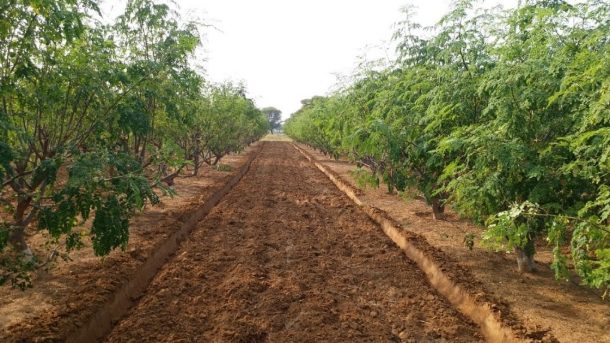
Moringa plants require a deep ploughing of the land before plantation and about 20 tonnes of farmyard manure are added to per hectare of the land. The pit of about 45×45×45 cm is dug, maintaining a space of 6×6 m for perennial crops and a space of 2.5×2.5 m for annual crops. Each pit is then followed by adding a mixture of 10 to 15 kg of farmyard manure with 100g of Nitrogen, 200g of Phosphorus and 50g of Potassium.
Sustainable agriculture
What is wintering in peppermint?
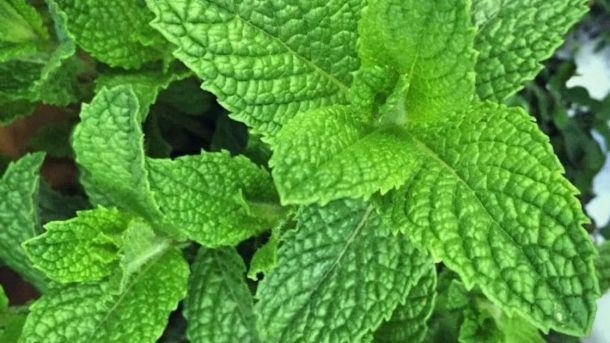
Peppermint plants can tolerate temperatures down to -20°C. Young plants should be covered with brushwood or straw during the first year and thereafter no precautionary measures are required. The above ground plant parts die off and the plant survives with its roots or rhizome in the soil and grows back again in spring.
What are the commercial cultivars of pepper mint?
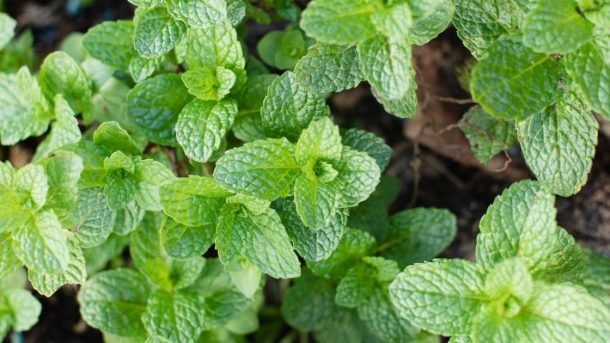
The commercial cultivars of Peppermint are Clone 80-121-33, Mitcham Ribecourt 19, Zefir, Dulgo pole, Bulgarian population, Refined Murray, Roberts Mitcham, Todd’s Mitcham, Clone 11-6-22 and Mitcham Digne 38.
What is the average yield of vanilla?
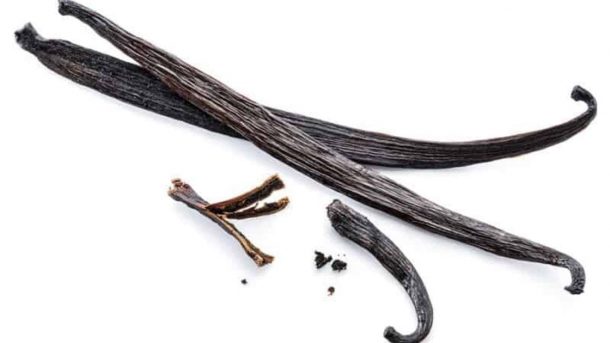
On an average about 80 to 90 matured beans could make 1 kg of vanilla. The yield of any plant depends upon the soil, climate, irrigation and variety of the crop used. Vanilla plants produce yield as per 250 grams/plant in the 3rd year, 500 grams/plant in the 4th year, 750 grams/plant in the 5th year and 1000 grams/plant from 6th year up to 15th year.
Why trailing is done in vanilla farming?
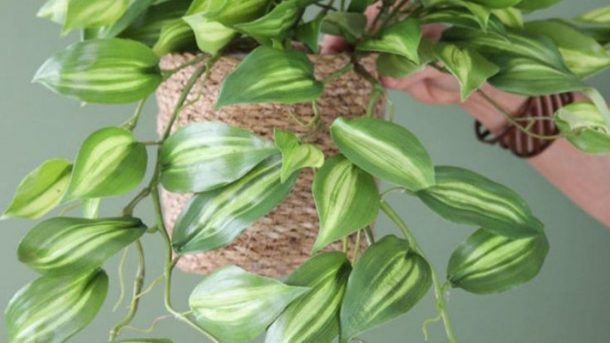
For limited growth of the plants, trailing operation is carried out and about 150-160 cm height is maintained for easy manual pollination. These plants are trailed by coiling them around the branches of the support pillars or on horizontal support such that the vines should not touch the ground.
What is the irrigation requirement for vanilla farming?
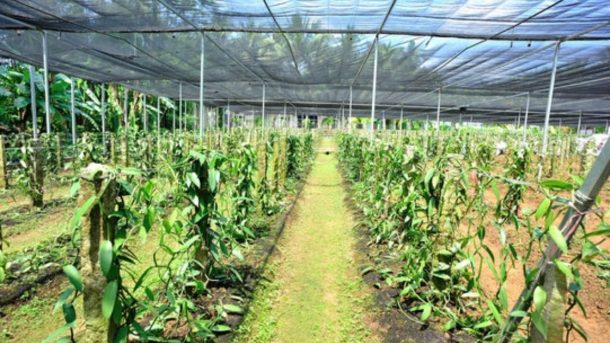
Irrigation is important during the dry & hot summer seasons and also during the first 2 to 3 years of planting. Sprinkler Irrigation is ideal for Vanilla. However, you can also opt for micro irrigation or drip irrigation but water stagnation or flooding should be avoided as the crop is sensitive to these conditions.
How pollination occurs in vanilla?
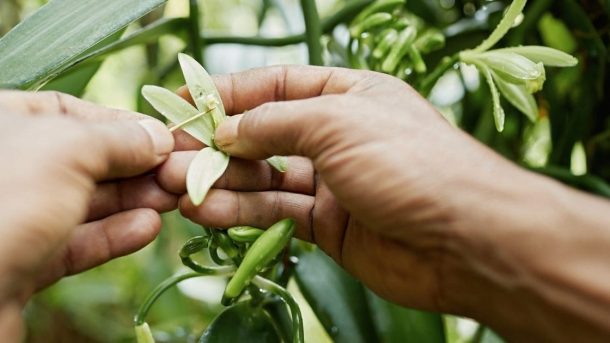
There is an absence of specific pollinating agents so natural self-pollination is not possible, hence artificial pollination is carried out by hand with the help of bamboo splinter, sharpened toothpick or a stiff grass.
The ideal time for pollinating is in the early morning period between 7 a.m. to 12 p.m. and it is preferred to pollinate only the first formed 7-10 flowers on the lower side of the inflorescence. It is recommended to take 5-6 flowers per inflorescence and not more than 10 to 12 inflorescence per vine for pollination. The pods take 6 weeks to attain full size from fertilisation but 4 to 10 months for reaching full maturity depending upon the climatic conditions.
When flowering occurs in vanilla farming?
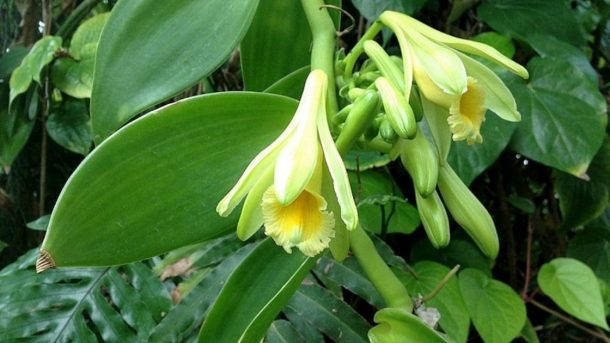
Vanilla plants start to flower from the third year of planting in the month of January and February month but irrigation should be stopped during the month of December and the tips of the vines should be regularly pruned.Abundant irrigation should be provided for inducing more flowers during this stage.
How much spacing is maintained for vanilla farming?
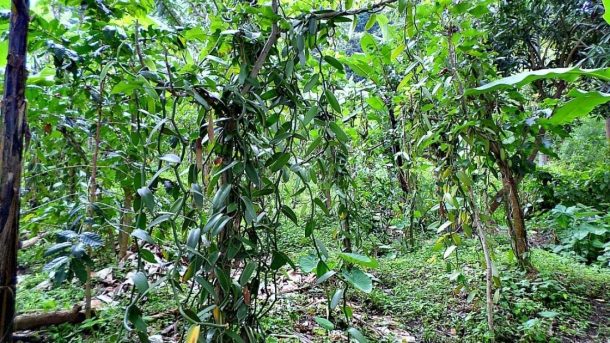
A space of 2.5 to 3 metres is required between the plants and about 2 metres distance between rows and 2 metres distance within the rows, thereby making a population of 1600 to 2000 trees per ha. Vanilla cuttings are planted in rich organic content soil and they are filled in the trenches with the spacing of 8ft and in these trenches 7 feet long support pillars are placed with spacing of 6 feet.
Which is the best time for vanilla planting?
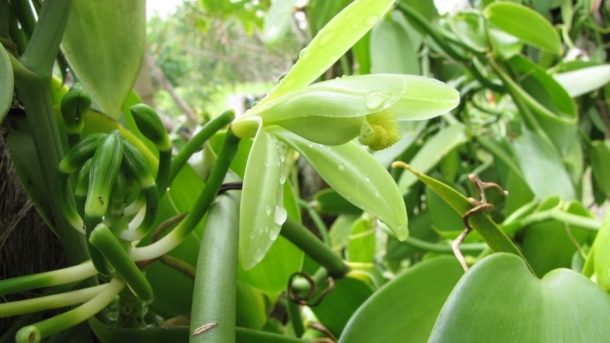
The best time for vanilla planting is the month of August and September, when the weather is not too rainy or too dry. The cuttings of the vine are laid on the soil surface and is then covered with a thin layer of about 2-3 cm soil.
The growing tips are gently tied to the support for climbing by the aerial roots and are covered with dry grass or palm fronds or other suitable materials and if the soil is dry water is sprinkled on them for early establishment of these cuttings.