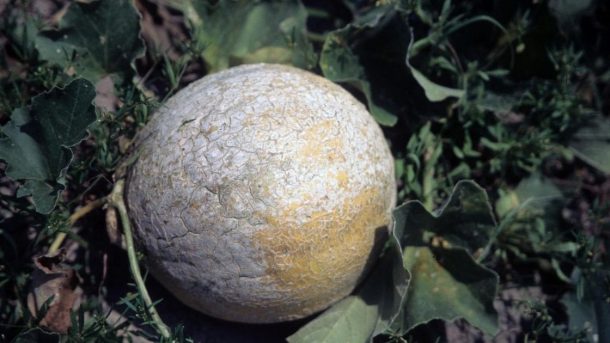
This disorder occurs mainly when the fruit is at ripening or after maturity stage. when they are exposed to extreme sunshine. Sunscald appears as white patches on parts of the fruits exposed to sun. The tissues are so severely damaged that the patches shrink and the surface dries out. The affected portion becomes soft and pulpy. Later fungi causing decay may invade the patches. To avoid sunscald injury, the weeds should not be removed from the field as they will produce shade and keep the fruits covered.
Sustainable agriculture
Why cracking of fruits occurs in muskmelon?
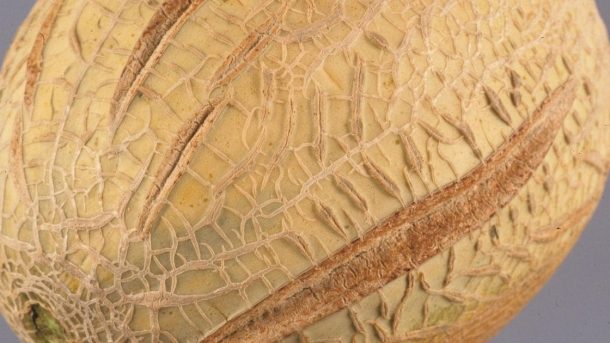
Cracking of fruit surface at stem end is a common occurrence in certain varieties and often results in great losses. Several environmental factors seem to be involved in the cracking of muskmelon fruits. It is very common especially when the rains follow a long dry spell and the temperature is relatively high. Water on the surface of fruit is more conductive for cracking than high soil moisture. Fruits exposed to sun have more cracking problem than those well covered beneath the foliage.
What are the different kinds of equipments used in Honey bee farming?
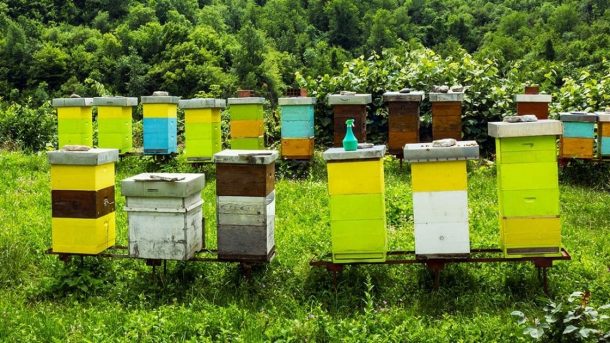
Here is the equipment used in most of the commercial honey bee farming. The equipment’s are Thin and thick beekeeping brushes, SS Knives, SS and iron hive tools of L shaped and curved, Food graders plastic made queen cage, queen gate, hive gate, honey extractor, smoker, Queen excluder, Pollen trap, Propolis strip, Royal jelly production and extraction kit, Queen rearing kit, Bee venom collector.
What is the spacing maintained in oats crop?
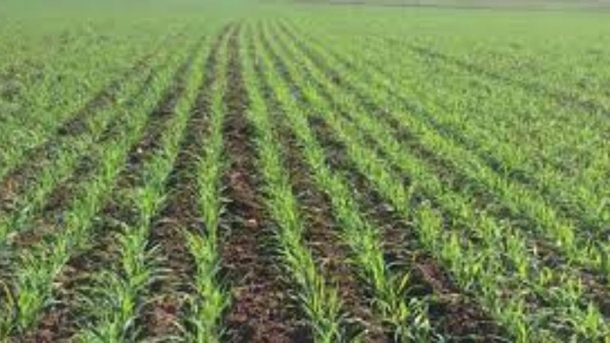
The spacing of 25 to 30 cm should be kept between rows. Spring planted oats do not produce many tillers. Consequently, a higher seeding rate and slightly shallow planting depth result in faster establishment and increased growth. Growth is improved when the seed is drill planted at a seeding rate of 80 to 100 pounds of seed per acre. Seeding depth can be as deep as about 1 ½ inches, but planting at only ½ to ¾ inches deep will increase the rate of emergence, establishment and forage production potential.
Which soil is best suitable for growing Castor?
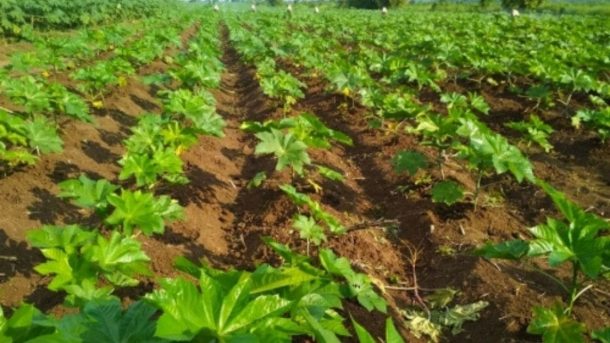
Castor crop can be grown on a wide range of soils, provided they are fairly deep and well drained. Heavy clays with poor drainage and marshy soils are not suitable for castor crop. The suitable soils for castor are deep, moderately fertile, with slightly acidic conditions pH level of 5.0 to 6.5. Though, excessively fertile soils are not desirable, as they favor excessive vegetative growth at the expense of seed yield. Castor crop does well in the soil which is not for valuable commercial crops.
What are the climatic conditions required for Castor?
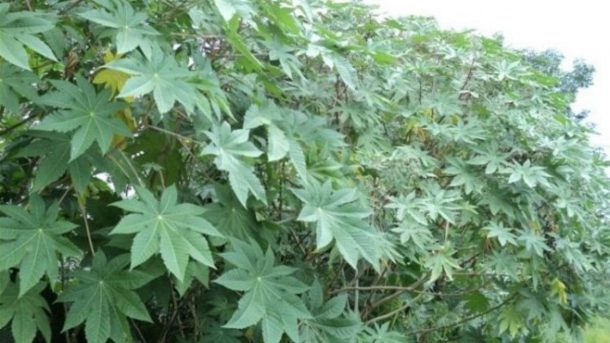
Castor is C3 pathway plant that grows optimally at constantly high temperature levels of 20-26°C but can tolerate temperature levels between 0 to 40°C. In colder areas, it grows well if the summers are sufficiently warm. It is a pioneer plant that is growing in flood zones, abandoned farmland and along roads. About 500 mm of rain is required between planting and harvesting castor but it can grow in areas with lower as well as much higher rainfall. Depending on the variety it requires a 140 to 180 day growing season. Under severe water stress, no seeds are set and too high air humidity increases pest and mould problem. About 30 to 60% humidity is considered ideal.
Which soil is best suitable for growing custard apple?
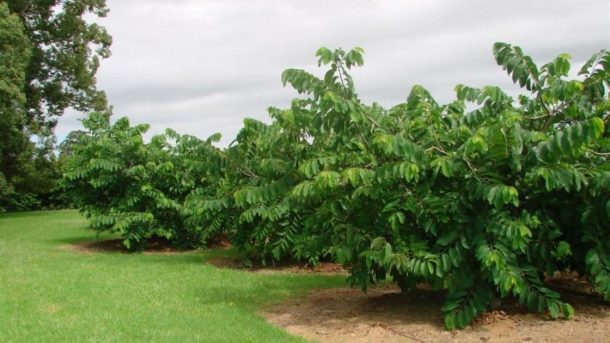
Before planting custard apples, it is important to understand the and climate attributed they need to flourish. Custard apples grow best in sandy loam soils, but well-structured clay loams are also suitable. Although trees main feeder roots are relatively shallow, at least 1 m of well-drained soil without heavy clay or rock is needed to avoid root rot and ensure good tree performance. Plant the trees on mounds. If possible, avoid soils that have previously grown these crops: tomato, potato, egg plant, capsicum and ginger.
What are the climatic conditions required for Custard apple?
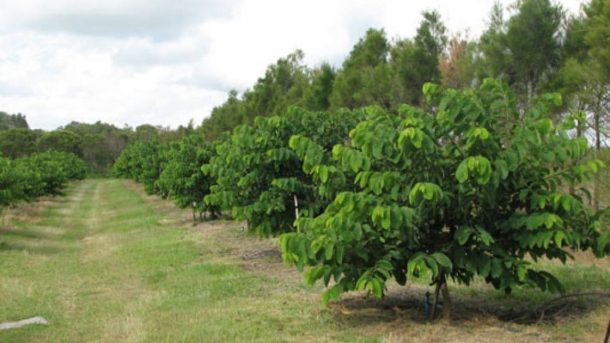
Custard apple flourishes best on the dry and hot climate. It requires light soil and is generally grown on the slope of hills. The plants are raised from seeds and bear fruit in about 3 to 4 years. The plant flowers from April to may and bears fruit between August and November. The major climatic factors limiting the commercial production of custard apple are temperature and humidity. Warm, well protected and frost-free sites receiving a summer rainfall are most suitable.
Which soil is suitable for ridge gourd cultivation?
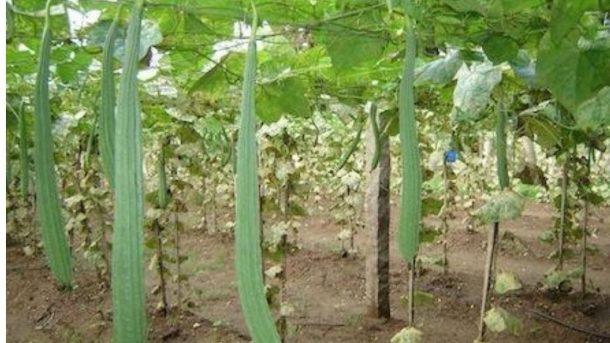
Ridge gourd can be grown in a wide variety of soils. But it grows best in sandy loam soils. The soil or main field should be prepared thoroughly by 4 to 5 ploughings and soil pH range from 6.5 to 7.5 is ideal for ridge gourd cultivation. This vegetable crop requires good drainage. Better yield and quality of vegetable can be expected by applying organic matter or farm yard manure.
How temperature plays a significant role in the development of sea weed?
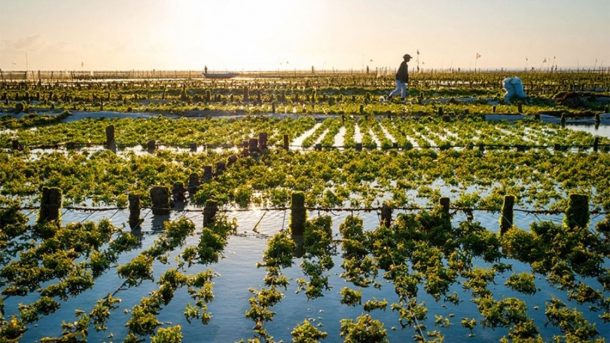
Higher water temperature tends to slow the development of sea weeds. Most sea weed species produce the fastest from January to May and are at their most productive during the spring. Their development rate slows down as the water temperatures rise from June to September, the slowest growth rate brings in August. Once the sea temperature starts to cool in the autumn, the growth rate starts to pick up again, mainly after November.