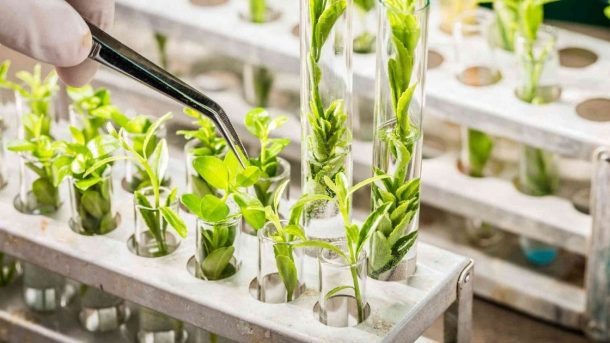
Biotechnology provides farmers with tools that can make production very cheaper and manageable. For example, biotechnology crops can be engineered to tolerate specific herbicides, which make weed control simpler and more efficient. These crop production options could help countries keep pace with demand for food while reducing production cost. Many other types of plants are now in the research and development stage. Though it is not possible to know exactly which will come to fruition, certainly biotechnology will have highly varied uses for agriculture in the future. Developers are using biotechnology to increase nutrients in foods. They are researching in different ways to use genetically engineered crops in the production of new medicines, which may lead to a new plant made pharmaceutical industry that can reduce the cost of production using a sustainable resource.
Sustainable agriculture
How weeds are controlled in apple rose farming?
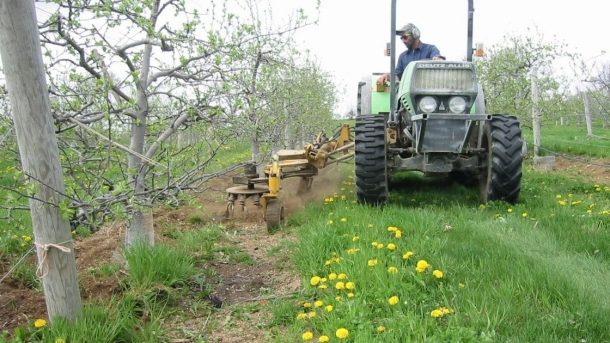
Shallow cultivation should be given to control the weeds between rows and hand weed can be applied at the plant base. Mulching also can be practiced to control weeds at the tree base and prevent moisture loss. This can also protect from soil erosion.
How pruning plays an important role in apple rose farming?
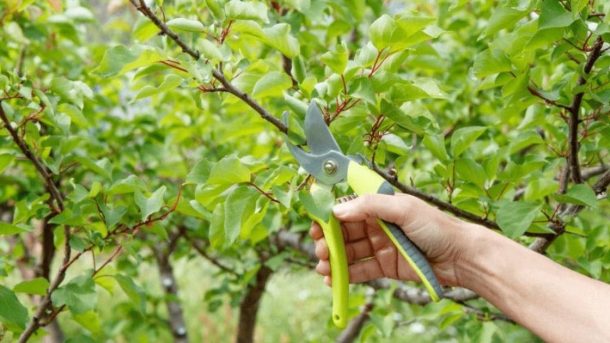
Rose apple trees can reach a height of 12 to 15 meters. However, for establishing a better frame work, the height of the tree should be adjusted to 4 to 5meters height through the pruning process. Annual renewal pruning should be done after harvesting or before production period to make the desired tree height. The successful pruning depends on production period adjustment of the orchard, soil type and season.
Which soil is suitable for Rose apple growing?
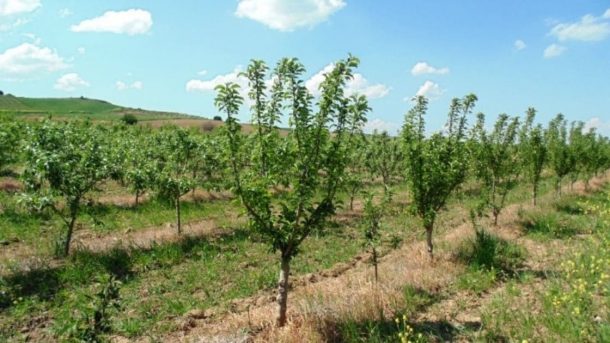
The best suitable soil for growing rose apple ranges from mild acid to mild alkaline and sandy to clayey. Rose apples grown in coastal areas with mild alkaline and clayey soils will result in quality fruits. Commercial growers of rose apples should consider for soil test though these trees can survive in poor soils. Soil should be maintained with constant moisture by avoiding any water stress for successful rose apple growing.
What is the climatic requirement for Rose Apple growing?
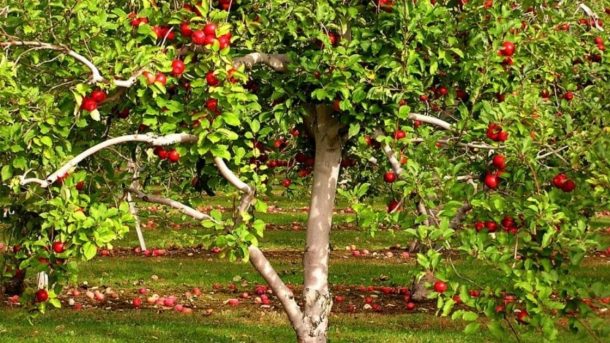
The rose apple belongs to tropical fruit tree species and it thrives well at the temperature range of 25 to 32°C. Cool temperatures enhance total soluble solids and skin anthocyanin accumulation in rose apple fruits. For better growth of the tree, higher yield and quality produce, this crop requires a high-water supply.
Which is the best intercrop for Custard apple?
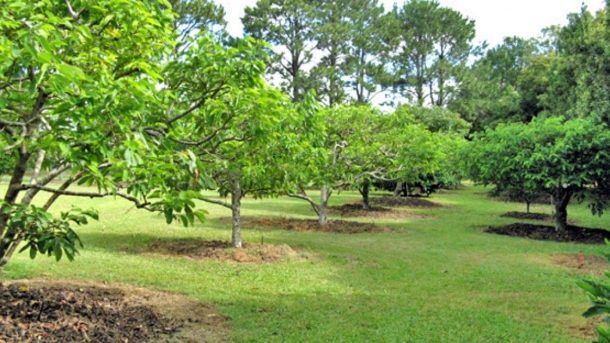
Intercropping with some legumes, peas, beans and marigold flowers are commonly taken by the growers. In the initial years of custard apple planting, intercrops like Groundnut, minor millets, Linseed and gram should be grown. Legumes, peas and beans and marigold plants are intercropped with custard apple plants to generate extra income and to keep a check on the weeds. During the pre-bearing period, short growing crop like Groundnut, Ragi, Bajra, wheat, pulses and vegetables can be profitably grown in the interspaces.
Which is the best intercrop for Mosambi?
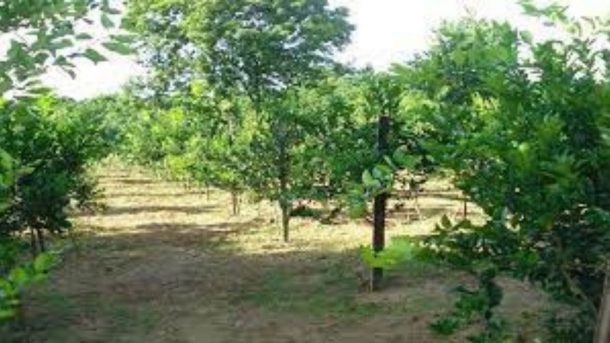
An intercropping trial was conducted on a 3-year-old mosambi sweet orange orchard planted at about 5m×5m spacing and growing under rainfed laterite soil to identify the suitable and profitable intercrops. The intercrops grown with mosambi were cowpea, ridge gourd, groundnut, radish, black gram, okra, Amaranthus and cluster bean. Interspaces are made in mosambi crop for growing nitrogen fixing crop until the plants start flowering during the initial 3 years of plantation. Green gram, Black gram or any other legume crop like Groundnut, vegetables like beans etc are cultivated to be used as nitrogen fixation crops.
What are the characteristics of Kabuli chickpea?
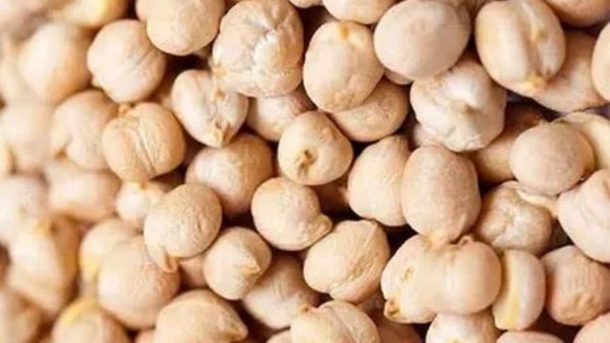
The Kabuli chickpeas are characterized by white or beige coloured seed with ram’s head shape, thin seed coat, smooth seed surface, white flowers and lack of anthocyanin pigmentation on the stem. As compared to desi types, the Kabuli chick peas have higher levels of sucrose and lower level of fibre. The Kabuli types have large sized seeds and receive a higher market price than desi types. The price premium in Kabuli types increases as the seed size increases. In this group the colour of the seed is white. Grains are bold and attractive. The yield potential of this group is poor as compared to the desi types. Plant is taller than the desi gram and stand more or less erect.
What are the different types of chickpea?
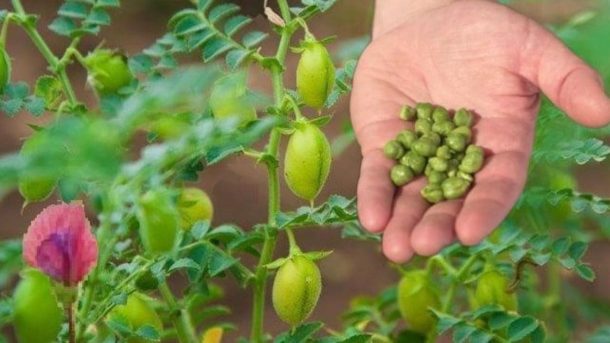
There are mainly two distinct types of chickpea are recognized. Worldwide, two main types of chickpea, Desi and Kabuli are cultivated. Kabuli types, grown in temperate regions, are large seeded and consumed as a whole seed, whereas Desi types grown in semi-arid tropical and subtropical regions are mainly consumed as split dal or turned into flour. Gram commonly called chickpea or Bengal gram is the most important pulse crop of India. Chickpea is used for human consumption as well as for feeding to animals.
What are botanical and morphological characters of king chilli?
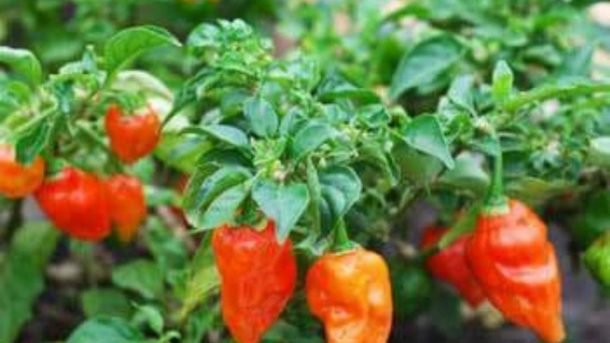
King chilli is the fruit of plant belonging to the Family: Solanaceae. This chilli is one of the hottest on earth and the extreme variations among different cultivars include several colours, sizes and textures of fruits. Particularly, the colour ranges from light green, yellowish green to dark green in young fruits and gradually changes into light red, bright red and even chocolate while the texture varies from crumpled to semi smooth as well as gloomy with fleshy tissue. The fruit is sub-conical to conical in shape and about 2.40–2.85 cm wide at the shoulders and 6.10–9.20cm in length; Fruit surface is Rough, wrinkle with spikes and may weigh 14–18 g.