Sustainable agriculture

What is farming and what are the different types of farming systems in India?

farming

The process of growing crops and rearing animals for food and raw materials like vegetables, fruits, milk, fibre, meat etc. is called farming. Under the broad spectrum of agriculture, farming is considered a small category which involves production of flowers, fruits, biofuels, drugs, fibres, nursery plants, manure and leather.

The different types of farming systems practiced in India are:

Subsistence farming, Shifting agriculture, Plantation agriculture, Intensive farming, Dry agriculture, mixed farming, crop rotation, sedentary farming, Terrace cultivation.
What is ley farming?

ley farming

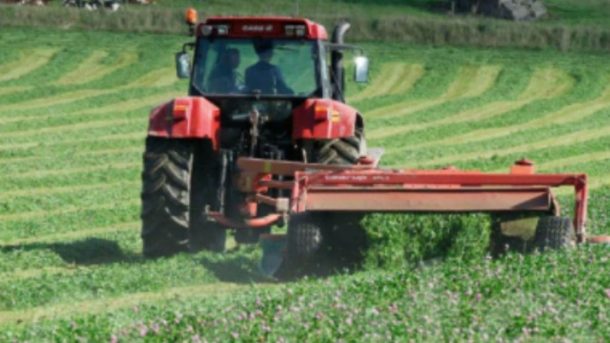
Farming is very difficult in dry lands because of water scarcity and lack of soil fertility, so a method of farming was introduced to restore the fertility of the soil and was known as ley farming. In this method of farming, grasses were grown in rotation with food grains to boost the nutrient level of the soil. It acts as an insurance against crop failures due to drought conditions.

What is the plantation procedure followed in cinnamon?

cinnamon

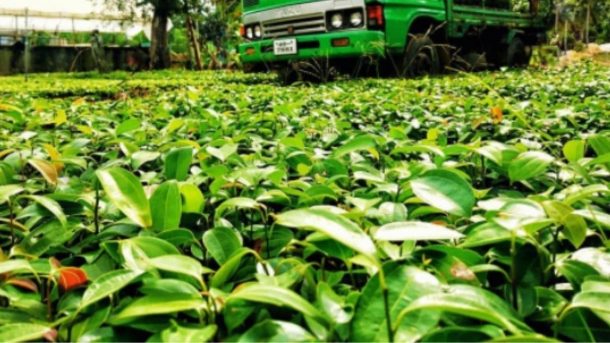
Should dig pits of 50 cm at a spacing of 3 meters by meters. They should be filled with organic compost and top soil before plantation. To get establishment of seedlings, cinnamon should be planted from June to July to take advantage of monsoon. One-year seedlings are planted. In each pit, 4 to 5 seedlings can be planted. The seeds are directly dibbled in pits in some cases that are filled with organic compost and soil. Partial artificial shade in the initial stages of cultivation is beneficial for the healthy and rapid growth of cinnamon plants.

How to propagate betel leaves?

betel leaves

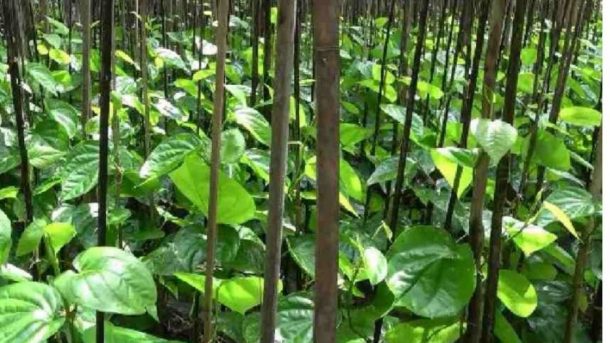
In betel leaves propagation, stem cuttings having 3 to 5 nodes are used and these are planted in such a fashion that 2 to 3 nodes are buried in the soil. A single node cutting with a mother betel leaf is also planted. Apical and middle portions cuttings of the betel vines are used for planting. There are 2 types of betel leaf cultivation is practiced in India:

  1. Open system cultivation using support plants
  2. Closed system cultivation using rectangular structures.

When and how to water cardamom plants?

cardamom

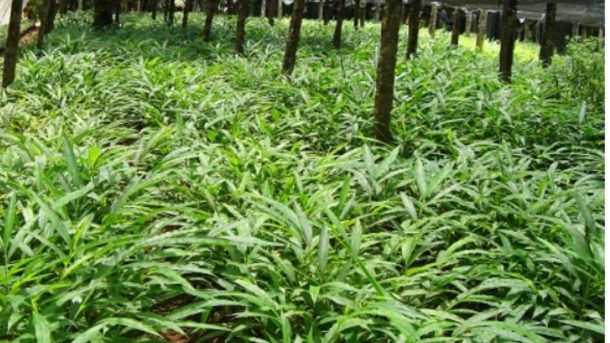
Frequent watering 1 week to 2 weeks interval is required during the hot summer months. Regular watering helps in panicle initiation, the flowering of plant and fruit set. Make sure the soil has enough moisture level all the time. Overhead irrigation process/ method is best suited to cardamom plantations. Drip irrigation also found beneficial in the cardamom crop.

What is zero tillage management?

zero tillage

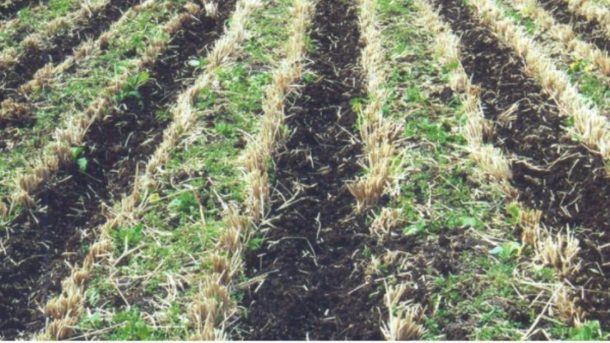
Zero tillage management require different skills to preserve higher yields. It combines various farming techniques, equipment, crop rotation practices, cover crop, fertilization and pesticide use to achieve better soil properties. Crop rotation eliminates soil weeds, pests and diseases. By rotating the crops on a multi-layer cycle, pests and disease amount will decrease due to the reduced food supply. Cover crops are used to control weeds, increase nutrients in the soil and to pull mobile nutrients back to the surface of the soil from the lower layers by growing plants with long roots.

What is soil structure?

soil structure

It refers to the arrangement of primary soil particles namely sand, silt, clay and their aggregates into certain defined pattern is called soil structure. It also defines the physical shape of the soil aggregates. Soil structure can be changed or altered by agronomic practices i.e., ploughing, cultivating, drainage, liming and manuring. The primary particles sand, silt and clay usually occur grouped together in the form of aggregate.

Which climate is best suitable for growing tomatoes?

growing

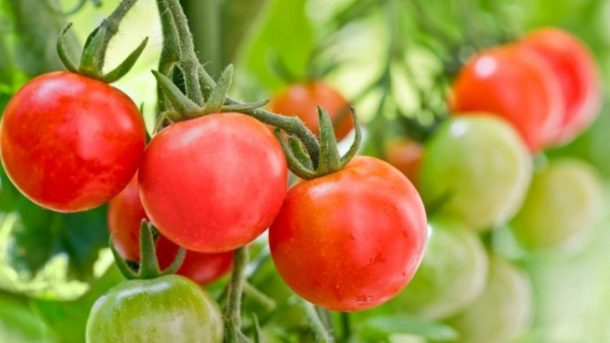
Tomato plants need 3 to 4 months of warm, dry climate because it is considered to be a warm season crop. Frost and high humidity are not suitable for these plants. The temperature of the farming region should be around 10-30°C. Temperatures above or below this range can cause damage to the plant tissues and slow down the physiological functioning of the plant. The plants need medium low to medium annual rainfall during the growing period.