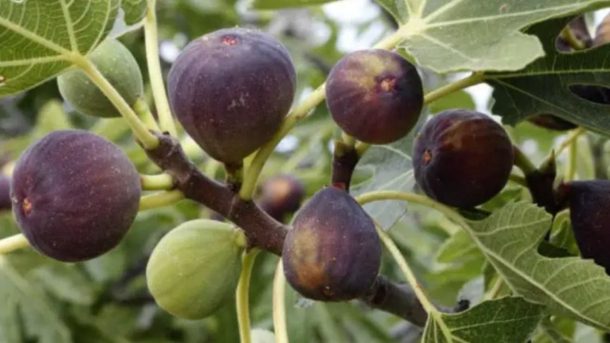
Fig being a deciduous and sub tropical fruit tree, it prefers areas having high summer temperatures, plenty of sunshine and moderate irrigation. The fig fruit quality deteriorates beyond 39°C even though the fig tree survives up to 45°C. Fig tree grows best when the temperature range is between 15 to 21°C. The shape, size, color of the skin and pulp quality are affected by climate. But quality of figs can be obtained in the regions with hot dry climates at the time of development and maturity stage of fig fruit. Low temperatures and high humidity conditions results in fruit splitting and low quality of fruit.
Sustainable agriculture
What is the process of Aquaponics and how does this system work?
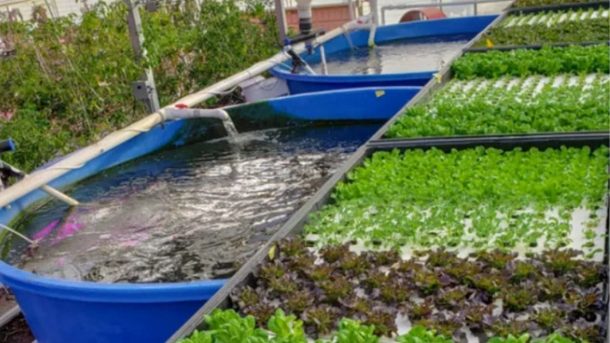
Aquaponics is an integrated system of aquaculture and hydroponics working together in harmony with each other. The process involves the utilization of fish waste as a source of nutrients for the plants and plants use up the nutrients and filter the waste naturally providing fresh water to the fish. Nitrifying bacteria present in the medium help in converting waste water into organic manure.
What are the principles of organic farming?
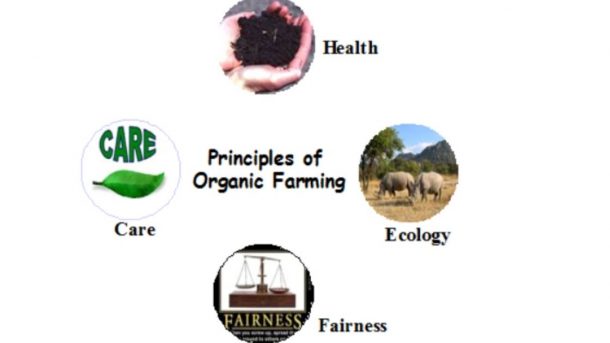
Organic farming is done on the basis of the following principles:
Principle of Health, Principle of Ecological balance, Principle of fairness(Quality produce), Principle of Care.
How are organic farms fertilized?
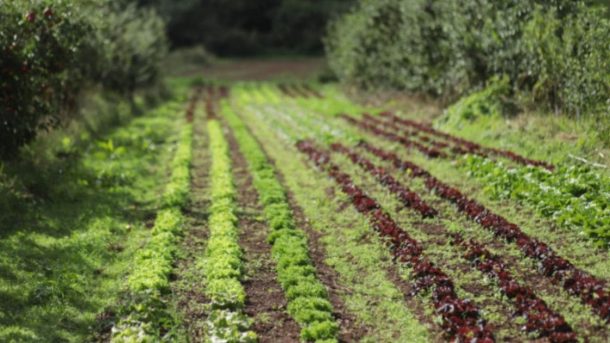
Generally, crop rotation with cover crops and compost obtained from animal and plant matter are the main nutrients for the organic farm. The soil texture, organic content and microbial activity of the farm can be improved by maintaining proper cultivation and tillage practices. There are some permitted synthetic substances, which can be used as extra supplemental nutrients for organic farms.
What kind of soil is best for growing vegetables in containers?
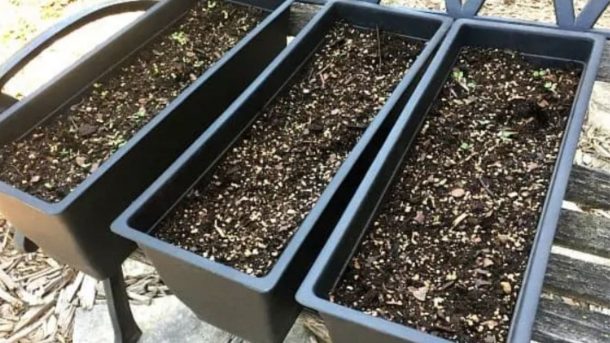
The soil that is best suited for container gardening is the done that drains well, is properly aerated and maintains a neutral pH. Potting mixture along with the soil offers all the above featured necessary for container gardening. The potting mixture contains organic matter such as part moss, compost, bark ships etc to provide nutrients to the soil. If the mixture is supplied with vermiculite or perlite, then it aerates the soil and helps retain moisture for a longer duration of time. Soil mixtures without the vermiculite can be used exclusively for growing herbs. Another advantage of potting mixture is that they are free of weeds, seeds, pests and diseases because they are heated when they are processed.
What is container gardening?
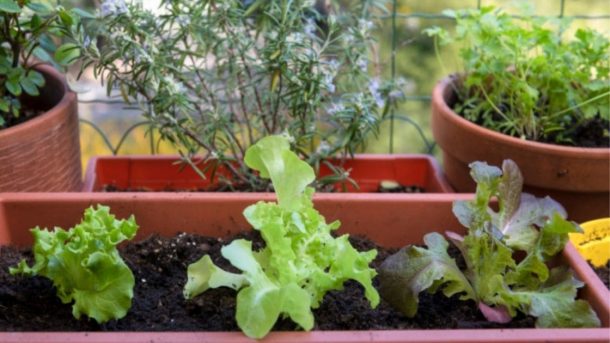
This is a practice of growing all varieties of plants in containers instead of planting them on the ground. The container used for the purpose of growing plants can be anything that is enclosed, small and portable such as a tub, basket or barrel. Sometimes large pots are also used for container gardening.
How many acres of land are required for each goat or how much space do goats need?
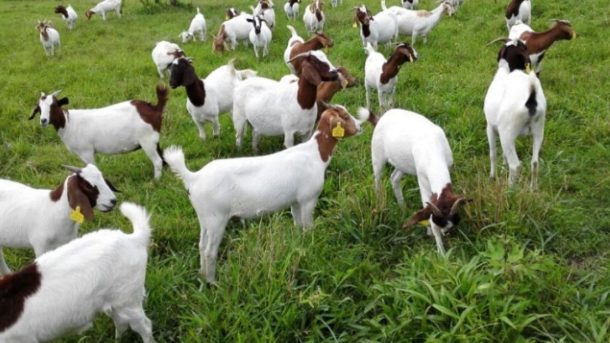
If the land quality is low, then the no of goats to be raised per acre of land would be around 2 to 4. Else if the land is good pasture, then 6 to 8 goats can be raised comfortably in 1 acre. Unlike the free-range goats, the ones that are raised indoors need 20 sq. ft of area per goat. Each adult goat many need 4 to 5 ft kidding pen area within the shelter.
What is green revolution and which crops are associated with it?
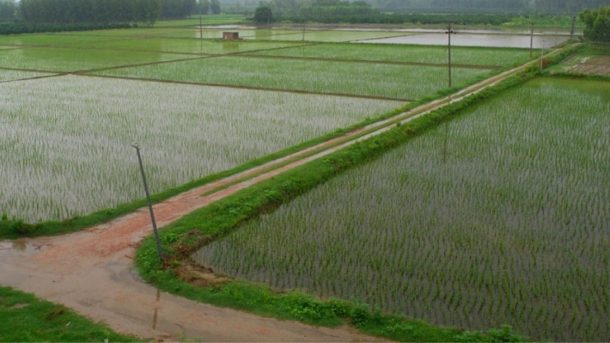
Green revolution refers to the increased production of food grains b the use of high yielding varieties of seeds and better management practices. The major crops that are considered for green revolution are rice and wheat.
Why do farmers use a combination of manures and fertilizers in their fields?
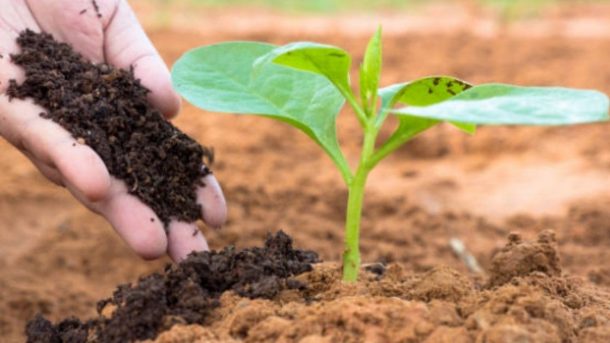
Manure is an organic matter in which many nutrients packed into a tremendously interconnected structure. Generally, if only a required nutrient is applied as fertilizer to the plants, then there is a possible risk of it being leached away or lost due to fixation. This results in insufficient supply of nutrients to the plant, but if fertilizer is applied long with manure, then it remains in the soil structure without getting leached and is made available for the plants.
Why tillage is important?
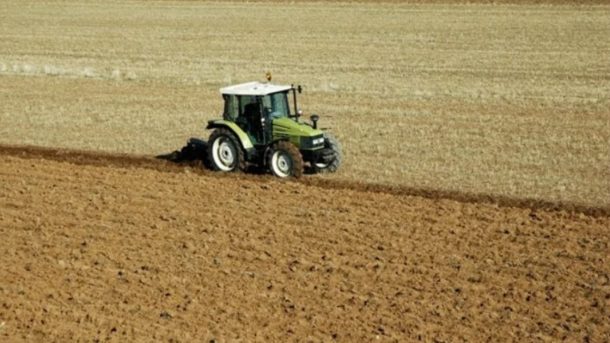
Tilling is deep ploughing the land almost to the depth of 8-10 inches while preparing the soil for cultivation. When the soil condition is very poor, then a large quantity of organic matter has to be incorporated into it and this can be done only by tilling this soil. Other important reasons for tilling the soil could be facilitating air circulation, decomposition etc. tilling can be done in many ways and is expected to have its own advantages and disadvantages.