POSTEDITOR OFFICE

What are the storage requirements for biofertilizers?

storage

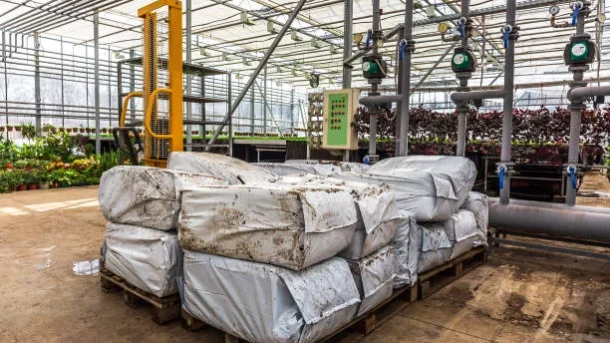
To keep biofertilizers viable and effective, storage must be done properly. The type of biofertilizer and its formulation will determine how long it has to be stored. Here are some general recommendations for storing biofertilizers, though:

Cool and dry conditions: To stop moisture absorption and microbial growth, biofertilizers should be storage in a cool and dry environment. Moisture can make the helpful microorganisms in the biofertilizer less viable, which lowers their efficiency.

Avoid direct sunlight: Direct sunlight might cause temperature changes and harm to the biofertilizer’s microorganisms. Biofertilizers should be kept in a shady place to avoid exposure to extreme heat and light.

Use airtight containers or sealed packaging to prevent air exposure, which can cause the biofertilizer to dry up or become contaminated with undesirable microbes.

Clearly mark the product name, manufacture date, and expiration date on each biofertilizer container to ensure proper labeling and date monitoring. By monitoring the shelf life, it is possible to make sure that older batches are utilized before more recent ones.

Check the viability and quality of stored biofertilizers on a regular basis. Microbial viability testing is one example of a quality control measure that can assist guarantee the product’s continued efficacy.
How do nitrogen-fixing bacteria convert atmospheric nitrogen into usable forms?

atmospheric nitrogen

Biological nitrogen fixation is the process by which nitrogen-fixing bacteria transform atmospheric nitrogen (N2) into forms that can be used. The roots of some plants, referred to as legumes (e.g., soybeans, peas, and clover), develop into specialized organs called nodules, where this amazing process occurs. These leguminous plants form a symbiotic relationship with the nitrogen-fixing bacteria, which in turn gives them a necessary nutrient in exchange for obtaining carbohydrates and other organic compounds as sustenance. This is how the procedure goes:

Leguminous plants that are grown in nitrogen-deficient soils release special chemical signals known as flavonoids that lead to the production of nodules. The Rhizobium, Bradyrhizobium, and Azorhizobium species of nitrogen-fixing bacteria that are prevalent in the soil are drawn to these flavonoids.

Infection and colonization: The nitrogen-fixing bacteria travel toward the roots of the plant in response to the flavonoids, starting the process of infection. Infectious threads are created by the bacteria when they pass through the root hairs and enter the root cortex, where they continue to proliferate and disseminate throughout the root cells.

Nodule formation: The plant develops a nodule on its roots as the infected threads keep expanding. The bacteria and plant cells coexist inside the nodule to form a special environment known as the symbiosome. The root cells’ symbiosome, a membrane-bound compartment, is where the nitrogen fixation process happens.

Nitrogen fixation: The nitrogen-fixing bacteria in the symbiosome create an enzyme called nitrogenase that turns atmospheric nitrogen (N2) into ammonia (NH3). 

Can biofertilizers be used in conjunction with biostimulants?

biostimulants

The processes by which biostimulants and biofertilizers function differently allow for a variety of ways in which their combined use can be beneficial:

Biofertilizers contain helpful microbes that assist solubilize nutrients, making them more available to plants. This increases nutrient availability and uptake efficiency. Biostimulants, which promote the plant’s uptake and effective utilization of these nutrients, can assist the action of biofertilizers by increasing the availability of nutrients in the soil.

Stress tolerance: Biostimulants can improve a plant’s resistance to abiotic stresses like heat, salinity, and drought. When used in conjunction with biofertilizers, which offer vital nutrients and enhance general plant health, plants become more tenacious and better able to handle stressful situations.

Root development and growth: Strong root systems are encouraged by some biofertilizers, particularly mycorrhizal fungi, while biostimulants can increase root growth and branching. Together, these compounds improve root architecture, enhancing the capacity for nutrient and water absorption.

Crop yield and quality: Using biostimulants and fertilizers together can result in higher crop yields and better crop quality. Better plant development and greater production are facilitated by these products’ increased nutrient uptake and stress tolerance.

Environmental advantages: Combining biostimulants and biofertilizers can cut down on the use of synthetic chemical fertilizers and growth promoters. As a result, there may be less negative effects on the environment, such as fewer greenhouse gas emissions, less nutrient runoff, and less pollution.

How do biofertilizers impact the release of greenhouse gases from soils?

greenhouse gases

Depending on the type of biofertilizer used, the particular soil conditions, and the management techniques applied, the effect of biofertilizers on the emission of greenhouse gases from soils might vary. In general, biofertilizers can have a beneficial or negative impact on greenhouse gas emissions:

Reduced need for synthetic chemical fertilizers: Reducing the need for synthetic chemical fertilizers is one important way that biofertilizers can help reduce greenhouse gas emissions. Synthetic fertilizer manufacture and application are energy-intensive processes that emit greenhouse gases, especially nitrous oxide (N2O) when nitrogen-based fertilizers are produced. The overall greenhouse gas emissions linked to fertilizer use can be decreased by employing biofertilizers, which deliver nutrients more effectively and are frequently generated using lower energy inputs.

Some biofertilizers contain nitrogen-fixing bacteria that transform atmospheric nitrogen into plant-available forms, resulting in nitrogen fixation and decreased N2O emissions. This lessens the need on fertilizers based on nitrogen, which are known to have a major impact on N2O emissions. Therefore, using biofertilizers can reduce the amount of N2O that is released from agricultural soils.

Increased organic matter and carbon sequestration: Biofertilizers can increase the input of organic matter into the soil, especially those that contain helpful microbes that promote organic matter decomposition. Increased organic matter content enhances soil structure and water retention while also encouraging the soil’s ability to store carbon. By storing carbon in the soil, this technique reduces the amount of greenhouse gas emissions, hence preventing climate change.

The microorganisms in biofertilizers can solubilize nutrients and increase their availability in the soil, and biostimulants can increase the plant’s capacity to absorb and use these nutrients effectively. Better nutrient absorption and overall plant nutrition may result from this combination.

Increased ability to withstand stress: Biostimulants can assist plants in surviving a variety of stressful situations, including drought and severe temperatures. When used in conjunction with biofertilizers, which offer vital nutrients and support overall plant health, plants are better able to endure stress and continue to produce even under challenging circumstances.

What are the potential risks associated with using bio-fertilizers?

bio-fertilizers

Pathogen transmission: Bio-fertilizers may include dangerous infections that could spread to plants, animals, or people if improperly generated, handled, or stored. Affected biofertilizers pose threats to agricultural production and public health by having the ability to infect crops with illnesses.

unwanted environmental effects: In some instances, using bio-fertilizers to introduce non-native microbes may have unwanted effects on the environment. These alien microorganisms may displace native species, upset ecological balances, or negatively impact the diversity of soil microbes.

Variable efficacy: Depending on the kind of soil, the climate, and the individual microorganisms in the biofertilizer, the efficacy of fertilizers can change. In some circumstances, the anticipated advantages might not materialize, resulting in inadequate plant growth or nutrient availability.

Contamination of water bodies: If bio-fertilizers are overapplied or misapplied, excess nutrients like nitrogen and phosphorus can leach into groundwater or runoff into nearby water bodies. This could lead to eutrophication, an ecological issue where excessive nutrients cause harmful algal blooms and degrade water quality.

Incompatibility with other agricultural inputs: Some biofertilizers may not work well in combination with certain chemical fertilizers, pesticides, or herbicides. Compatibility issues could reduce the effectiveness of both the biofertilizer and the other inputs or lead to unintended consequences.

Can biofertilizers help in the remediation of polluted soils?

remediation

Biofertilizers can be used in conjunction with phyto remediation methods to improve their effectiveness. Utilizing plants to absorb, degrade, or stabilize contaminants in the soil is known as phytoremediation. By encouraging plant growth, root formation, and nutrient uptake, biofertilizers can improve this process and boost the effectiveness of the plants’ pollution elimination.

Pollutant degradation: Some biofertilizers have microorganisms that can break down specific soil contaminants. Through biodegradation processes, these bacteria break down or convert contaminants into less hazardous chemicals.

Supply of nutrients: Polluted soils may be low in nutrients and lack the components essential for plant growth. Biofertilizers give plants vital nutrients, enabling them to grow in polluted surroundings and increase their resistance to the pollutants.

Enhanced soil microbial activity: By introducing beneficial microorganisms into the soil, biofertilizers can increase the microbial activity there in general. These bacteria stimulate the establishment of plants that aid in remediation, improve soil structure and nutrient cycling, and aid in the breakdown of organic contaminants.

Immobilization of heavy metals: Some biofertilizers include microbes or other chemicals that might bond with heavy metals in the soil, decreasing their mobility and availability to plants. This immobilization aids in limiting hazardous metal uptake by plants and lowers the risk of metal toxicity.

Addition of organic matter: Biofertilizers can enhance the amount of organic matter that is incorporated into the soil, which helps to create humus and stable organic compounds. Certain contaminants bond to this organic matter, lowering their bioavailability and enhancing their

balance.

How do biofertilizers affect the overall soil ecosystem?

soil ecosystem

The use of biofertilizers can improve a number of aspects of the soil ecosystem, including soil fertility, microbial diversity, nutrient cycling, and plant health. The soil ecology is impacted by biofertilizers in the following ways:

Increased soil fertility: Biofertilizers, such as bacteria that fix nitrogen and bacteria that solubilize phosphate, add vital nutrients to the soil and make them more available to plants. The soil becomes more fertile as a result, which encourages stronger plant growth and higher food harvests.

a greater variety of microorganisms: Biofertilizers contain helpful microorganisms that can coexist symbiotically with plants or participate in the cycling of nutrients. These germs broaden the variety of soil microbes, encouraging the development of a healthy and robust soil microbial community.

Cycling of nutrients: Biofertilizers help in cycling of nutrients by enhancing the availability and cycling of vital elements like potassium, phosphorus, and nitrogen. As a result, the soil ecosystem uses nutrients more effectively, which lowers nutrient losses via leaching and runoff.

In order to encourage the formation of soil aggregates, some biofertilizers secrete sticky substances and engage in microbial activity. Improved water infiltration, aeration, and root penetration are all results of the addition of soil particles to the soil.

Better soil organic matter decomposition: Some biofertilizers contain microorganisms that speed up the soil’s organic matter breakdown. By accelerating the breakdown of organic waste and plant remains, humus is produced and the soil is enriched with organic nutrients.

What is the role of phosphate-solubilizing bacteria in biofertilizers?

phosphate-solubilizing

In biofertilizers, the primary function of phosphate-solubilizing bacteria is to change these insoluble forms of phosphorus into soluble ones that plants can easily absorb. They achieve this by a procedure known as phosphorus solubilization, which calls for the bacteria to release organic acids and enzymes. The insoluble phosphorus compounds are broken down and transformed into soluble orthophosphate ions (H2PO4- and HPO42-) by the action of these organic acids and enzymes.

Phosphate-solubilizing bacteria help plants grow and develop in the following ways:

Better phosphorus availability: The bacteria solubilize phosphorus, increasing its availability to plants in the root zone. The soluble phosphorus ions can then be absorbed by plants through their root hairs, resulting in healthy development and improved physiological processes.

Enhanced nutrient uptake: For plants to absorb nutrients as efficiently as possible, there must be enough phosphorus available. The presence of phosphorus in a form that is easily absorbed by plant roots is ensured by phosphate-solubilizing bacteria, supporting total nutrient uptake.

Stress tolerance: Phosphorus is essential for increasing a plant’s resilience to environmental stresses like disease, drought, and severe temperatures. PSB can improve a plant’s capacity to endure challenging circumstances by increasing the phosphorus that is accessible.

Growth and development of the root system are sped up by the increased availability of phosphorus. A strong root system enables plants to search a broader area of the soil for water and nutrients, which improves their general health and resiliency.

Agriculture that uses less chemical phosphorus by using biofertilizers that contain phosphate-solubilizing bacteria.

Can biofertilizers improve soil water retention?

soil

Soil aggregation: Some biofertilizers contain microorganisms that make glue- and polysaccharide-like compounds that adhere to surfaces. These chemicals aid in the formation of aggregates by binding soil granules together. Larger pore pores produced by soils aggregates enable water to permeate and be retained in the soils as opposed to simply evaporating off the surface. Water is retained better thanks to the improved soil structure.

Mycorrhizal association and root growth: Some biofertilizers, such as mycorrhizal fungi, develop symbiotic connections with plant roots. This connection results in a broad and well-established root system. The surface area via which plants may collect water from the soil is increased by a deeper root system, enhancing overall water uptake and retention.

Some biofertilizers contain microorganisms that hasten the decomposition of organic matter in the soils, which is enhanced. As organic material decomposes, it helps to create humus, a stable part of soils organic matter. By enhancing the soil’s ability to store water and lowering water drainage, humus aids in soil moisture retention.

Drought tolerance: A plant’s capacity to withstand drought stress can be improved by using specific biofertilizers. They accomplish this by increasing the plant’s water-use effectiveness and modifying its physiology to make it more resilient to water scarcity. Biofertilizers indirectly increase soil water retention during times of water constraint by assisting plants in better water management.

How do biofertilizers help reduce nutrient leaching?

nutrient

By increasing the availability and effectiveness of nutrient uptake in plants, biofertilizers can significantly reduce nutrient leakage. Water-soluble nutrients including nitrogen, phosphorus, and potassium are washed away from the soil surface and transported deeper into the soil profile by excessive water (rainfall or irrigation). This process is known as nutrient leaching. Groundwater and surface water bodies may get contaminated as a result, resulting in eutrophication and water pollution, among other environmental problems.

Using biofertilizers can reduce nutrient leaching in the following ways:

biological fixation of nitrogen: Some biofertilizers contain nitrogen-fixing bacteria, such as Rhizobium and Azotobacter, which either directly fix atmospheric nitrogen into forms that are plant-available or create symbiotic relationships with leguminous plants. Biofertilizers decrease the demand for synthetic nitrogen fertilizers, which are more susceptible to contamination, by boosting nitrogen fixation.

Phosphorus solubilization: A few types of bacteria and fungi, as well as some biofertilizers, have the ability to dissolve phosphorus. These microorganisms aid in the solubilization of phosphorus in the soil from complicated forms into more soluble forms that plants may readily absorb. As a result, there is a lower chance of phosphorus leaching.

Enhanced root systems: Mycorrhizal fungi, one type of biofertilizer, create symbiotic associations with plant roots. The plant’s root system is extended by mycorrhizal fungus, which increases the root’s capacity to take nutrients from a broader area of soil. The likelihood of nutrient leaching is decreased by this improved nutrient absorption efficiency.

Enhancement of soil structure: Biofertilizers can encourage the development of helpful microorganisms that support the aggregation and structure of the soil. The transport of nutrients through the soil can be reduced because well-structured soils can better store water and nutrients.