Bio Control

What are the efforts to promote agricultural biodiversity and conservation?

biodiversity

For agricultural systems to remain robust and sustainable, conservation and promotion of agricultural biodiversity are crucial. Here are some important programmes and techniques in this area:

Landraces, traditional crop varieties, and wild relatives of cultivated crops are among the genetic resources that must be conserved in order to protect agricultural biodiversity. To gather, store, and catalogue these genetic resources for later use, seed banks, gene banks, and germplasm repositories are set up. The fair and equitable distribution of genetic resources is additionally supported by programmes like the International Treaty on Plant Genetic Resources for Food and Agriculture.

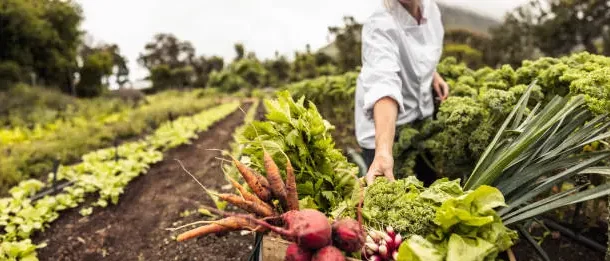
Using natural pest management, crop rotations, and agroforestry systems, organic and agroecological agricultural practices place a priority on biodiversity preservation. These techniques increase ecosystem resilience and decrease the need for synthetic inputs by generating a variety of habitats that support beneficial insects, pollinators, and natural predators.

In order to support biodiversity, efforts are made to repair and establish habitats within agricultural landscapes. This entails creating wildlife-friendly ponds, wetlands, and meadows in addition to planting hedgerows, field margins, and buffer zones. These environments give beneficial insects, birds, and other species food, cover, and places to reproduce.
What are the advancements in farm robotics for weed control?

weed

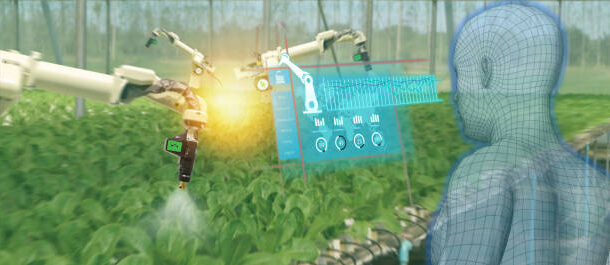
In order to lessen the need for herbicides and labor-intensive physical labour, farm robotics for weed control have made major strides in recent years. Here are a few noteworthy developments in this area:

Automated weed identification systems are being created using cutting-edge image technology including computer vision and machine learning algorithms. These systems examine crop photos and recognise weeds based on their visual traits, enabling focused and accurate weed management.

Robotic weed removal: To automatically find and get rid of weeds in agricultural fields, robotic technologies are being developed. These robots physically remove or destroy weeds using a variety of techniques, including mechanical arms or instruments. Some robots use artificial intelligence to distinguish between crops and weeds, allowing for the selective and accurate removal of the latter.

Robotic sprayers that are equipped with precision spraying technology are utilised to apply herbicides precisely where they are needed. These devices use imaging and sensor technology to instantly find and locate weeds. Herbicides are then only applied by sprayers to the specific weeds that need them, minimising chemical use and harm to the environment.

 What are the advancements in biological pest control methods?

biological

Biopesticides: These biological chemicals come from living things like fungi, bacteria, plants, and other microbes. There have been significant improvements in the creation and use of biopesticides. These products are less damaging to the environment and beneficial organisms while yet being able to target certain pests. Examples include mycoinsecticides based on entomopathogenic fungi and Bacillus thuringiensis products that target insect pests.

IPM (Integrated Pest Management) strategies have advanced with the addition of biological control techniques. IPM integrates a number of pest management techniques, such as biological control, cultural practises, monitoring, and the prudent application of chemical pesticides. Combining other IPM techniques with the use of beneficial insects—such as predatory mites, parasitoids, and nematodes—has proven to be an efficient way to manage pests while using the fewest chemicals possible.

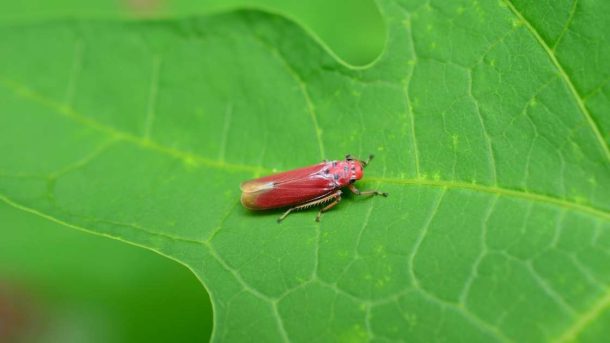
Biological control is the use of living organisms to suppress pest populations, making them less damaging than they would otherwise be. Natural enemies of insects play an important role in limiting the densities of potential pests. These natural enemies include predators, parasitoids, and pathogens.

How do you prefer organic or conventional methods?

Managing pests and diseases on a farm involves a combination of preventive measures and control strategies. Here are some common approaches:

Prevention: Implementing preventive measures is crucial to reduce the risk of pests and diseases. This includes practices like crop rotation, using disease-resistant varieties, maintaining proper sanitation, and practicing good farm management techniques.

Cultural control: Cultural practices can help minimize pest and disease problems. Examples include proper irrigation and drainage, timely pruning, maintaining proper plant spacing, and promoting overall plant health through balanced nutrition.

Biological control: This method involves introducing natural enemies of pests to control their populations. Beneficial insects, parasites, predators, and microbial agents can be used to target specific pests. This approach is commonly employed in integrated pest management (IPM) programs.

Chemical control: Conventional farming often utilizes chemical pesticides and herbicides to control pests and diseases. These synthetic chemicals can be effective but need to be used with caution to minimize environmental impact and potential risks to human health. It’s important to follow label instructions and adhere to local regulations when using chemical control methods.

What is Ghana Jeevamrutham type I ?

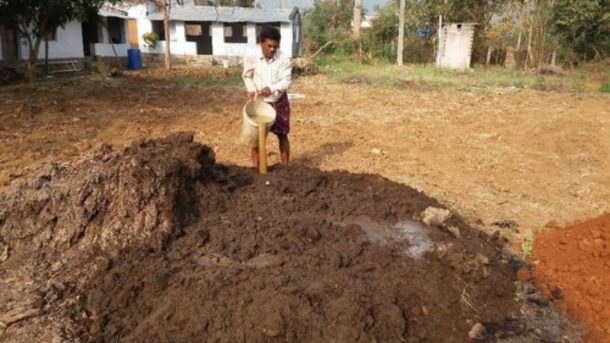
Take 100 kg of Desi Cow Dung (Cow dung is good only for 21 days if its kept moist. sprinkle water and store in shade) and add 1 Kg Jaggery and 1 kg Besan. Mix the mixture well and store it as a heap for 48 hrs in a shade. If the temperature drops below 12degrees, the heap should be covered with rug sack to maintain constant Temperature for conducive climatic conditions for micro-organisms.

What is bio-pesticides?

bio-pesticides

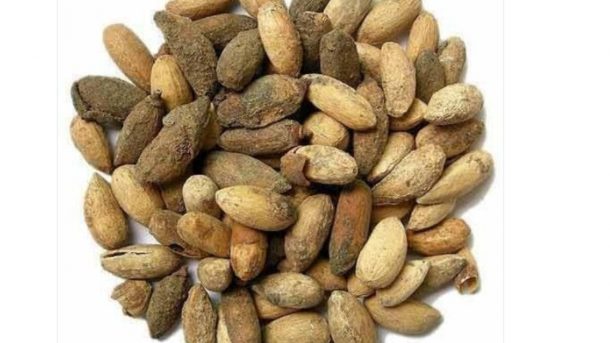
Pesticides that have been made out of natural materials from animals, plants, bacteria and other natural minerals then they are called bio-pesticides. Different forms of neem like the kernel extract, seed and leaf etc. are being used in India as pesticides for organic farms due to their effectiveness and lost cost.

How is Trichoderma used in agriculture ?

Trichoderma

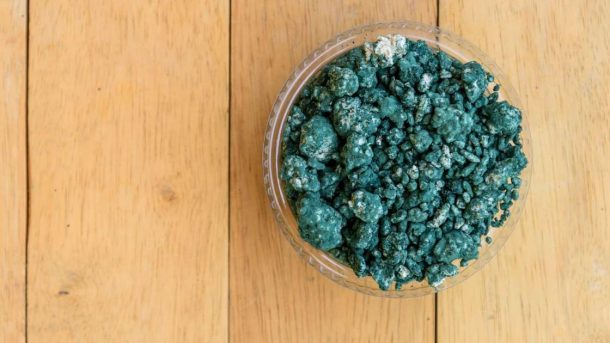
Trichoderma spp. is a fungus which are used in agriculture as bio-fungicide. Trichoderma viride, T. harzianum and T. virens are most extensively used fungal antagonists. Due it’s fungicidal property , they are used as biocontrol agents against plant pathogenic fungi. It protects plants from fungi such as Pythium , Rhizoctonia, and Armillaria. Trichoderma spp. are found naturally in the soil and is used for seed dressing to control soil and seed-borne diseases. When it is applied at the same time as the seed, it colonizes the seed surface and kills not only the pathogens present on the cuticle , but also provides protection against soil-borne pathogens. Fermentation technology is commonly used for their mass production.

How green lacewings are beneficial?

lacewings

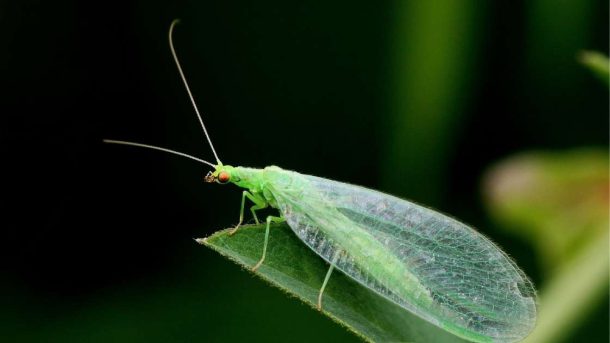
The green lacewings (Chrysoperla sp.) are a common beneficial insect found in the landscape. They are predators that act as bio-control agents by feeding on aphids, but will also control mites and other soft-bodied insects such as caterpillars, leafhoppers, mealybugs and whiteflies. They helps in control of arthropod insects in greenhouses. The larvae of this insect are voracious feeders. A larvae can consume approximately , 200-300 aphids during its three stages of development.

What are parasitoids?

Parasitoids are among the most widely used biological control agents. Parasitoids lay their eggs on or in the body of an insect host, which is then used as a food for developing larvae. The host is ultimately killed. Developing in or on a host requires the parasitoid to have very specialized methods to attack, feed on and avoid the host’s immune system. This high level of specialization means most parasitoids only attack one or a few closely related species. Parasitoids perform an important ecosystem service by suppressing pest populations. The majority of pests are attacked by at least one parasitoid.. Wasps and flies contain the vast majority of insect parasitoids. There are over 70,000 parasitoid species across the globe.