Harvesting

How does the adoption of agtech solutions impact agricultural productivity?

agtech

The implementation of agtech (agricultural technology) solutions can significantly increase efficiency, accuracy, and decision-making in numerous facets of farming, which will increase agricultural productivity. Agtech makes use of cutting-edge technologies to improve agricultural practices overall, raise yields, decrease resource waste, and address issues faced by farmers. Following are some examples of how the use of agtech solutions affects agricultural productivity:

Agtech offers precision agricultural methods including using GPS-guided equipment and sensors to enhance nutrient application, watering, and planting. By ensuring that crops receive the proper amount of inputs and minimizing resource waste, higher yields are the result.

Data-Driven Decision Making: Agtech systems collect current information on crop health, weather trends, and soil conditions. Farmers may boost productivity by using this data-driven strategy to assist them make informed decisions about planting, fertilizing, pest control, and other management activities.

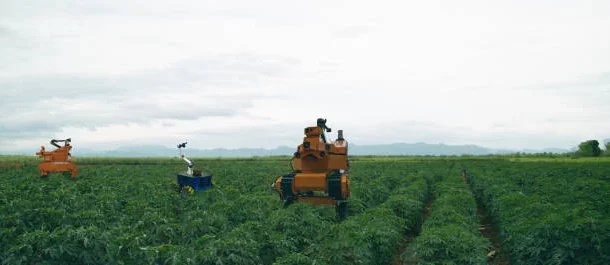
Robotics and Automated Equipment: The use of robotics and automated equipment in agriculture streamlines labor-intensive processes including planting, harvesting, and crop monitoring. Automation improves speed and efficiency of activities, which decreases human error and increases productivity.

Agtech solutions use remote sensing and imaging techniques like drones, satellite imagery, and other technology to keep an eye on vast agricultural fields. This monitoring enables the early identification of agricultural problems, enabling prompt remedial action to resolve concerns and avoid output losses.

How do changing labor demographics influence agricultural production costs?

demographics

The availability, cost, and productivity of agricultural labor are all directly impacted by shifting labor demographics, which can have a considerable impact on the costs associated with agricultural output. The agriculture industry’s shifting labor demographics are influenced by a number of variables, including:

Aging Workforce: As fewer young people choose jobs in farming or agricultural labor, the agricultural workforce is aging in many places. As more seasoned workers leave, there may be a labor shortage, which could make it difficult to locate qualified replacements.

Urbanization and migration: A typical trend in many nations is rural-to-urban movement, which reduces the labor force in rural areas. Planting, harvesting, and other seasonal agricultural activities may be affected by labor shortages brought on by the migration of rural residents to urban areas.

Foreign labor: In some areas, the agricultural sector depends heavily on migrant labor, frequently from nearby nations. The availability and cost of foreign labor may change due to changes in immigration laws or economic conditions, which could affect production costs.

Mechanization and automation: The need for manual labor has decreased as a result of improvements in agricultural technology, such as farm machinery and automation. The necessity for human labor may decline with more mechanization, which may also result in lower labor costs.

Wages and Labor Laws: Agricultural producers’ labor expenses may be impacted by changes to labor laws, minimum wage policies, and labor restrictions. Production costs may increase as a result of higher wages or stricter labor compliance regulations.

What are the latest innovations in agricultural machinery and equipment?

equipment

Several advancements in agricultural technology and equipment were being created and deployed as of my most recent update in September 2021 to increase productivity, sustainability, and efficiency in the agricultural industry. Here are some of the most recent advancements in agricultural gear and equipment as of that time, despite the fact that agricultural technology is constantly changing:

Autonomous tractors and equipment: Equipped with GPS and cutting-edge sensors, self-driving tractors and equipment may carry out a variety of tasks, including planting, spraying, and harvesting. Equipment that is autonomous lowers the need for manpower and allows more precise and effective operations.

Drones and Unmanned Aerial Vehicles (UAVs): Drones with cameras and sensors are used for data collecting, aerial imaging, and crop monitoring. They offer farmers useful information for enhancing crop health, insect control, and irrigation.

Robotic Systems for Harvesting: In order to alleviate the labor shortage and improve harvesting efficiency, robotic systems that can pick fruits and vegetables are currently being developed.

Using real-time data and field conditions, farmers may administer inputs like fertilizer, herbicides, and seeds at different rates using a technology called variable rate technology (VRT). This technology lessens the impact on the environment while maximizing resource consumption.

Precision planting systems make use of cutting-edge technology to guarantee precise seed placement, spacing, and depth, improving crop establishment and yields.

How are weather patterns and natural disasters affecting the agricultural market?

natural disasters

The agricultural market can be significantly impacted by weather patterns and natural disasters, which can change production, supply, prices, and market dynamics. The weather has a significant impact on agriculture, and severe weather can interrupt the entire supply chain. Following are some ways that weather and natural calamities affect the agricultural market:

Crop Production and Yields: Good weather conditions, such enough rain and moderate temperatures, can encourage strong crop growth and better yields. On the other hand, adverse weather conditions including droughts, floods, heat waves, and frost can harm crops and diminish yields, which could result in reduced output levels and higher prices.

Supply and Availability: Changes in agricultural supply may be caused by weather-related phenomena. Harvests that are plentiful during favorable weather conditions may lead to excess supply, which will push prices. On the other hand, crop failures brought on by weather might result in supply constraints and price volatility.

Extreme weather events can lead to price volatility in the agricultural market, particularly for products like grains, fruits, and vegetables that are very weather-sensitive.

Adverse weather conditions can have an impact on the quality of agricultural products, which can lower their marketability and value. For instance, significant rain during harvest may cause problems with grain quality, allowing it to be sold in lower-grade markets.

Livestock & Animal Health: natural disasters catastrophes can interfere with the management of livestock and jeopardize animal welfare. harsh cold, hurricanes, or flooding

How are supply and demand factors influencing agricultural prices?

supply and demand

Market-based agricultural pricing are heavily influenced by supply and demand variables. Market equilibrium and price levels are determined by the interaction between the quantity of agricultural commodities producers are willing to supply and the quantity of agricultural commodities consumers are willing to demand at various price levels. As an example of how supply and demand affect agricultural price:

Production Levels (Supply): Prices are directly influenced by the volume of agricultural products produced and supplied to the market. When production is high, the supply grows and prices decline. On the other hand, when output is low, the supply shrinks, pushing up prices.

Weather: Weather has a significant impact on agricultural production. Favorable weather conditions, such enough rain and mild temperatures, can increase agricultural yields, increase supply, and possibly cut costs. Unfavorable weather conditions, such as droughts, floods, or extremely high temperatures, can lower harvests and constrict supply, raising costs.

Changes in Input Costs: Farmers’ production costs can be impacted by the price of inputs such seeds, fertilizer, pesticides, labor, and gasoline. Increased input costs may cause supply to decline and prices to rise.

Technological innovations: By enhancing productivity and expanding supply, innovations in agriculture technology and methods may result in cheaper costs.

How does gene editing offer new opportunities for crop improvement?

crop improvement

By permitting precise and targeted alterations of particular genes, gene editing, a potent biotechnology tool, opens up new possibilities for crop improvement. Here are some ways that gene editing helps to improve crops:

Enhanced Trait Development: The precise editing or modifying of particular genes of interest is now possible thanks to gene editing tools like CRISPR-Cas9. The development of crops with desirable features, such as increased yield, disease resistance, stress tolerance, or nutritional quality, is made possible through this focused alteration. Faster trait development is made possible through gene editing, which provides a more effective and precise alternative to conventional breeding techniques.

Speed and Accuracy: Crop genomes may be altered quickly and precisely thanks to gene editing technology. Gene editing permits immediate change of target organisms in contrast to conventional breeding techniques, which include crossover and selection across several generations.

In order to add specific genetic variations or change existing genes without introducing foreign DNA from distant species, gene editing techniques can be used. This makes it possible to retain genetic variation within crop species, allowing for the enhancement of traits while upholding the crop’s genetic purity and familiarity. Different crop varieties can use gene editing without losing their genetic variety.

Reduced Unwanted features: Gene editing offers the possibility of reducing or eliminating unwanted features in crops. Gene editing enables the creation of superior crop improvement types with fewer or no unwanted features by focusing on and altering the genes that are responsible for traits like susceptibility to diseases, pests, or poor post-harvest quality.

What is the primary goal of the National Mission on Agricultural Extension and Technology (NMAET)?

Agricultural Extension

The National Mission on Agricultural Extension and Technology (NMAET)’s main objectives are to improve agricultural extension services in India and encourage farmers to adopt cutting-edge agricultural technologies. Through efficient extension and technology distribution, the objective is to increase agricultural productivity, increase farmers’ income, and ensure sustainable agricultural growth.

The National Mission on Agricultural Extension and Technology’s main goals are as follows:

Enhancing the quality and scope of extension services will help NMAET achieve its goal of strengthening the current agricultural extension system. Enhancing the knowledge and abilities of extension staff, creating efficient communication channels, and employing information and communication technology (ICT) are all necessary to make it easier for farmers to receive agricultural information.

Dissemination and acceptance of technology: The objective is to encourage farmers to adopt cutting-edge agricultural technologies and best practices. By easing the flow of technology and knowledge from research centers to the field, it seeks to close the knowledge gap between farmers and academic institutions. Promoting the use of enhanced seeds, effective irrigation methods, crop management practices, mechanization, post-harvest technologies, and other innovations that help raise agricultural productivity and sustainability are a few examples of this.

NMAET places a strong emphasis on training and capacity development programs for farmers in order to improve their knowledge and abilities in contemporary agricultural methods. These training courses cover a wide range of subjects, such as methods for crop production, management of soil and water quality, control of pests and diseases, farm mechanization, value addition, and marketing tactics.

Increasing farmer empowerment through Farmer Producer Organizations (FPOs): To increase farmer empowerment, increase their negotiating power, and promote collective decision-making, the mission supports the development and strengthening of Farmer Producer Organizations (FPOs). Farmers can access inputs, loans, technology, and markets through FPOs, which helps to improve their socioeconomic circumstances.

Name a scheme that aims to promote the cultivation of cashew and provide support for cashew processing units.

cashew processing

The “Mission for Integrated Development of Horticulture” (MIDH) is one program that attempts to support cashew processing facilities in India and encourage cashew processing farming. The Ministry of Agriculture and Farmers Welfare, Government of India, is responsible for carrying out the Mission for Integrated Development of Horticulture.

The Cashew Development Program’s main goals and initiatives typically consist of:

Promotion of Cashew Cultivation: The program’s main objective is to increase cashew production by giving farmers financial help, technical aid, and training. It involves assistance with the creation of fresh cashew orchards, the restoration of aged and underutilized orchards, the use of superior planting materials, and the adoption of best agricultural practices.

Training and Capacity Building: The initiative places a strong emphasis on training and capacity building programs for farmers growing cashews. It offers instruction on a variety of elements of cashew production, such as post-harvest management, irrigation management, planting methods, and pest and disease control.

Research and Development: The program funds initiatives for the production and processing of cashews. In order to create and spread better cashew varieties, crop management strategies, and processing methods, it encourages partnerships with research facilities, agricultural universities, and technology providers.

What is the main objective of the National Mission on Sustainable Forest Management (NMSFM)?

Sustainable Forest Management

Initiatives for sustainable forest management have as their goal the preservation and protection of forests, including natural forests, regions with a high biodiversity, and forest ecosystems. They place a strong emphasis on protecting the ecological stability, biological richness, and carbon stores of forests as well as the wildlife habitats found there.

The sustainable use of forest resources, such as timber, non-timber forest products, and ecosystem services, is encouraged by these programs. They place a strong emphasis on ethical harvesting methods, forest regeneration, and the preservation of natural harmony while assuring the socioeconomic progress of nearby people that depend on the forest’s resources.

Programs for forest restoration, afforestation, and reforestation are components of initiatives for sustainable forest management. To achieve environmental, economic, and social goals, they seek to increase the amount of forest cover, improve the productivity and health of damaged forests, and establish new forested regions.

Support for Community Participation and Livelihoods: These programs work to integrate local knowledge, customs, and traditional rights into forest governance while also fostering community involvement in forest management. They encourage sustainable livelihood options based on forestry resources, support community-based forest management strategies, and help communities that depend on forests for their way of life.

Which government initiative focuses on promoting the cultivation of aromatic rice varieties?

aromatic rice varieties

The “National Mission on Sustainable Agriculture” (NMSA), a government program, aims to encourage the production of fragrant aromatic rice varieties in India. The Department of Agriculture, Cooperation & Farmers Welfare, Ministry of Agriculture and Farmers Welfare, Government of India, is in charge of implementing the National Mission on Sustainable Agriculture.

Distribution of Seeds: The NMSA is in favor of providing farmers with high-quality seeds of aromatic rice types. In order to guarantee greater yields, better quality, and genetic integrity of aromatic rice crops, it stresses the use of certified and upgraded seeds.

Technical Assistance: The mission helps farmers grow aromatic rice varieties by offering advice and technical support. In order to promote optimal agricultural practices, water management, nutrition management, pest and disease control, and post-harvest management specifically for the cultivation of aromatic rice, this also involves training programs, demonstrations, and capacity building efforts.

Infrastructure Development: The NMSA is focused on creating the infrastructure required for the production of fragrant rice. To support the cultivation and post-harvest management of aromatic rice crops, this entails the establishment of irrigation systems, water management infrastructure, storage facilities, and other crucial infrastructure elements.

Market Linkages: The mission enables farmers who grow aromatic rice to connect with markets and gain access to markets. For aromatic rice varieties, it encourages value addition, market diversification, branding, and market intelligence, providing better market pricing and enhanced market opportunities for farmers.