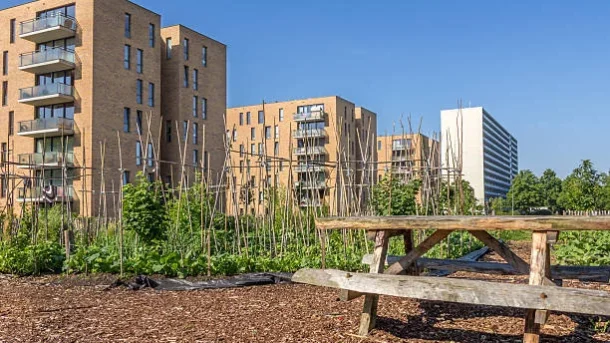
Conventional farming system

What are the implications of urbanization on agricultural land use and productivity?

urbanization

Urbanization has several implications for agricultural land use and productivity. Here are some key implications:

Land Conversion: Urbanization often leads to the conversion of agricultural land into residential, commercial, or industrial areas. As cities expand and population density increases, agricultural land is gradually transformed into urban infrastructure, including buildings, roads, and other urban amenities. This conversion reduces the total area of available agricultural land, leading to a decline in agricultural production capacity.

Fragmentation and Loss of Agricultural Land: Urbanization can result in the fragmentation of agricultural land into smaller parcels due to land subdivision and development. Fragmentation makes it challenging for farmers to maintain viable agricultural operations and implement efficient land management practices. Moreover, the encroachment of urban areas can lead to the complete loss of agricultural land, further reducing the overall agricultural productivity of the region.

Urbanization frequently generates demand for surrounding agricultural land to supply food and other agricultural products to the expanding urban population. This puts pressure on productive agricultural land. As a result, there might be more pressure to convert fertile agricultural land that is adjacent to cities. This may result in the loss of irrigated, fertile land, which could have an impact on potential agricultural output and food production.

Farming practices might change as a result of urbanization as conventional agricultural systems are modified or replaced to meet the needs and restrictions of the city. For instance, high-value crops or horticulture may become the focus of commercial farming as these industries might be more lucrative in urban markets. Additionally, to make use of the limited urban space, urban agriculture techniques like rooftop gardens, vertical farming, or community gardens may emerge.
What are the efforts to promote What are the efforts to promote agroecology and regenerative farming practices?

promote

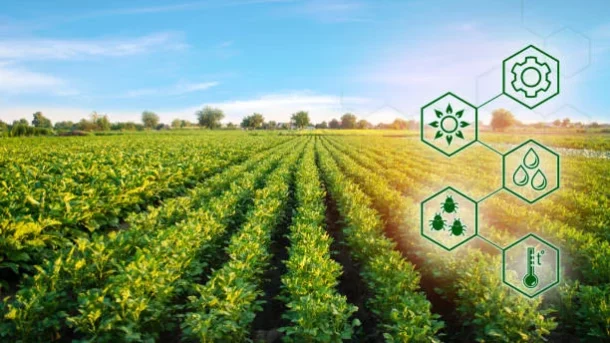
As cultures become more aware of the need for more environmentally friendly and sustainable agricultural systems, initiatives to promote agroecology and regenerative farming methods have gained traction. The following are important projects and campaigns to advance agroecology and regenerative farming:

The ideas and practices of agroecology are being taught to farmers, agricultural professionals, and students through the development of educational programmes, workshops, and training projects. These programmes place a strong emphasis on managing natural resources, conserving biodiversity, and preserving ecological connections. They offer useful information and abilities for applying agroecological practices on farms.

Farmer-to-Farmer information Exchange: Programmes that promote farmer-to-farmer information exchange enable farmers who practice agroecology to exchange experiences, best practices, and success stories. To encourage peer-to-peer learning and give farmers the opportunity to benefit from one another’s experiences, these initiatives frequently entail farm visits, workshops, and mentorship. Farmer networks and organizations are essential in promoting this kind of information exchange.

Research and Innovation: To produce scientific proof proving the efficacy of agroecological practices, research institutions and organizations are conducting studies and tests. The advantages of agroecology for the environment, agriculture, the economy, and society are examined in this study. Such research’s conclusions aid in filling information gaps, promoting acceptance, and informing policy development.

How are autonomous vehicles being used in farming?

autonomous

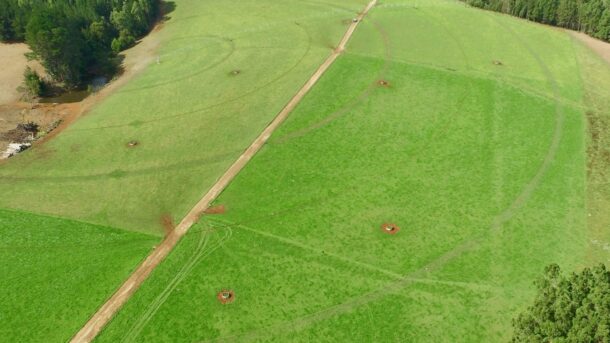
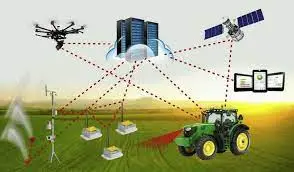
Field activities: For field activities like plough, till, plant, seed, spray and harvest, autonomous tractors and equipment are used. These cars have computer vision systems, sensors, and GPS technology, allowing them to function independently in the field. They are able to complete activities precisely and effectively, navigate around obstacles, and follow predetermined courses. Autonomous field operations enable round-the-clock farming, minimise the need for labour, and increase precision.

Crop monitoring and imaging: Unmanned aerial vehicles (UAVs) or drones are used to photograph and monitor crops from the air. They take high-resolution pictures and gather information on the health of the crop, its growth patterns, and any pest infestations. Farmers can take targeted action by using these photos and data to find fields with stress or unpredictability.

Farmers may gain the ability to more accurately spread fertilizer and herbicides, or apply what is necessary only to the crops that need it most, rather than all of them. Using a combination of GPS, sensors, and imaging, they would presumably have a better handle on how to deploy the robotic vehicles tilling the land.

How can I improve the efficiency and sustainability of my farming operations?

operations

Farming operations refer to the various activities involved in the cultivation and management of crops and livestock for the purpose of producing food, fiber, or other agricultural products. These operations can vary greatly depending on factors such as the type of farming, the scale of operation, and the geographical location. Here are some common aspects of farming operations:

Land Preparation: This involves clearing the land, removing any debris or vegetation, and preparing the soil for planting. It may include activities such as plowing, tilling, or leveling the land.

Crop Selection and Planting: Farmers choose the crops they want to grow based on factors such as market demand, soil suitability, and climate conditions. They prepare the seeds or seedlings and plant them in the prepared soil, ensuring proper spacing and planting depth.

Irrigation: Providing water to crops is essential for their growth and development. Farmers use various irrigation methods such as sprinklers, drip irrigation, or flood irrigation to ensure that the plants receive adequate moisture.

Pest and Weed Control: Farmers employ various strategies to protect their crops from pests, diseases, and weeds. This may involve the use of pesticides, herbicides, biological control methods, or integrated pest management techniques.

Fertilization: Crops require essential nutrients for healthy growth. Farmers apply fertilizers to provide these nutrients to the soil, either in organic or synthetic form. They may also use soil testing to determine the specific nutrient requirements of their crops.

Harvesting: Once the crops reach maturity, they are ready for harvest. The timing and method of harvesting depend on the crop type. Some crops are harvested by hand, while others require specialized machinery such as combines for efficient harvesting.

What is meant by Rotational Grazing?

Rotational Grazing

Rotational grazing is a livestock management technique in which animals are moved from one pasture to another on a planned schedule.

The idea behind rotational grazing is to allow the vegetation in each pasture to recover and regrow between grazings, which can improve the quality and quantity of forage, reduce soil erosion, and improve animal health and productivity.

In grazing, pastures are divided into smaller paddocks, and the livestock are moved to a fresh paddock on a regular basis, typically every one to three days. This controlled grazing system helps to distribute the animals’ impact evenly across the land and reduces overgrazing, leading to improved forage production, soil health, and animal health and performance.

What do you mean by the Silvopasture system?

Silvopasture

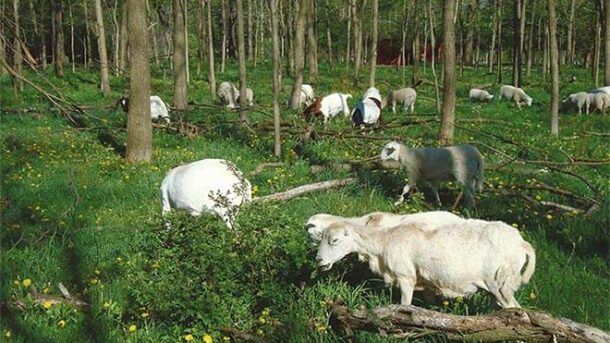
Silvopasture is an agroforestry system that combines forestry and pastureland management to create a mutually beneficial relationship between trees, forage plants, and livestock. 

In silvopasture, trees are grown in and around pastureland, providing a variety of benefits including shade, wind protection, improved soil health, and enhanced biodiversity. 

Livestock graze the pasture while also benefiting from the trees, which can provide additional food, shelter, and protection. This system has been used for centuries and has been shown to improve both forestry and livestock production outcomes while also providing environmental benefits.

Why Regenerative Agriculture Farming is Important?

Important

The damage of the fertile soil and biodiversity along with the loss of knowledge and indigenous seeds, pose a mortal threat to our future survival. According to soil scientists’ studies at present rates of soil destruction within 50 years we will not only suffer from serious damage to public health due to a qualitatively degraded food supply characterized by loss of important trace minerals and reduced nutrition, but we will no longer have sufficient arable topsoil to feed ourselves. Without protecting and regenerating the soil on our 10 billion acres of forest land, 8 billion acres of pastureland and 4 billion acres of cultivated farmland, it will be impossible to feed the world, maintain global warming below 2°C or halt the loss of biodiversity. It also aims to return to the olden practices by following the rhythms of nature such as harvesting and planting according to the moon cycle.

What were the ancient methods of pest management ?

ancient

Botanical pesticides were used. During storage, neem leaves were often employed to keep storage insects and seed infection at control. There is also a belief that seed should be treated with coal ash before storage to minimise insect damage. Before storage, pigeon pea seeds were sun dried to minimise moisture content, which was a standard method in Ancient times for the control of insects and vermin. Resin application to roots has been recommended for preventing cracking of pomegranate is found in ancient literature.