Water conservation

What are the potential socio-economic benefits of using biofertilizers?

socio economic

Farmers, communities, and the agricultural industry as a whole may all gain from the usage of biofertilizers in a variety of socio economic ways. The following are some of the main socio economic advantages of employing biofertilizers:

Less expensive inputs: Biofertilizers are a more affordable option than synthetic chemical fertilizers. Agriculture can become more economically sustainable by using biofertilizers in place of costly chemical fertilizers, which saves farmers money.

Increasing soil fertility and nutrient availability with biofertilizers results in healthier, more productive crops with higher yields. Crop yields that are higher can result in higher farmer incomes and better community food security.

Using less synthetic fertilizers, which have the potential to have a detrimental influence on the environment, biofertilizers assist sustainable farming practices. Utilizing biofertilizers promotes the preservation of natural resources, biodiversity, and healthy soil.

Environmental protection: Compared to chemical fertilizers, biofertilizers have a smaller environmental impact. In addition to lowering greenhouse gas emissions linked to the manufacture and application of synthetic fertilizers, they also lessen the danger of soil and water pollution.

An improvement in soil health is achieved by using biofertilizers, which also increase nutrient cycling, organic matter content, and microbial activity. Long-term agricultural productivity and environmental stress resistance are supported by healthy soils.
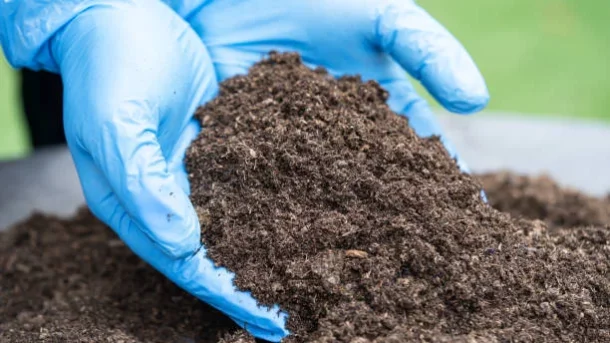
How do biofertilizers affect the soil’s water-holding capacity?

water-holding

Through a number of mechanisms that improve soil structure, increase the amount of organic matter in the soil, and promote root development, biofertilizers can have a favorable impact on the soil’s ability to hold water. The ability of a soil to store water for use by plants is referred to as its water-holding capacity. Here is how biofertilizers affect the soil’s ability to retain water:

Improved soil structure is a result of some biofertilizers, including mycorrhizal fungus and phosphate-solubilizing bacteria. Larger pore spaces between soil particles are produced by soil aggregation, which facilitates water infiltration and lowers surface runoff. Soils with better agglomeration can retain water for longer periods of time, reducing runoff and water loss.

Enhancement of organic matter: Biofertilizers can help the soil’s organic matter, such as crop leftovers and root exudates, break down. The formation results from the decomposition of organic materials.

Biofertilizers, in particular mycorrhizal fungi and certain bacteria that promote plant growth, boost root growth and development. A strong root system improves the soil’s capacity to absorb and hold water, which lowers water loss through leaching and enhances plant water availability.

Enhanced nutrient uptake: Biofertilizers make it easier for plants to get nutrients, which improves their general health and growth. Healthy plants are better able to use water effectively, which minimizes water loss and maximizes crop water use.

Some biofertilizers can aid in lessening soil compaction, which enhances water infiltration and retention. Because there are fewer pore spaces in compacted soils, there is more surface runoff and less water-holding capacity.

Can biofertilizers be used in combination with soil biostimulants?

biostimulants

Read and abide by the directions: To understand the suggested application rate, timing, and procedure, carefully read the product label or manufacturer’s instructions. There may be unique application criteria for certain biofertilizers.

The best time to use biofertilizers is during planting or at the proper stage of crop growth. Some biofertilizers work best when sown or transplanted, while others can be sprayed on the leaves or used at particular growth phases.

Avoid applying biofertilizers at high temperatures in order to prevent desiccation and lessen stress on the beneficial microorganisms. This is especially important in hot weather.

Root growth: Biofertilizers, in particular mycorrhizal fungi, promote root growth and boost plant nutrient and water intake. By encouraging root proliferation and elongation, biostimulants can boost root growth even more, resulting in a more widespread and effective root system.

Stress tolerance: While biostimulants can assist plants in coping with environmental challenges like drought, salinity, or temperature variations, biofertilizers can improve plant stress tolerance. The ability of the plant to resist challenging circumstances may be improved by combining the two.

Synergistic effects on plant growth and production may come from the complementing modes of action of biostimulants and biofertilizers. Better crop performance and production may result from the combination.

Can biofertilizers be used to improve plant tolerance to abiotic stresses?

tolerance

Drought tolerance: Some biofertilizers, such as mycorrhizal fungi and specific bacteria that promote plant development, can improve a plant’s resistance to drought conditions. Mycorrhizal fungi increase root length and water intake, whilst certain bacteria generate substances that help plants retain water. These procedures assist plants in surviving times of water constraint.

Salinity tolerance: Some biofertilizers can increase a plant’s ability to withstand salinity in the soil. For instance, some mycorrhizal fungi and bacteria that support plant growth assist in controlling the ion balance in plant cells, minimizing the damaging consequences of too much salt. In saline environments, this can enhance the health and growth of plants.

Temperature tolerance: Biofertilizers can help increase a plant’s tolerance for high and low temperatures. By promoting root growth, food uptake, and the generation of stress-related hormones, they can help plants resist temperature stress.

Heavy metal tolerance: Some biofertilizers, such as specific bacteria that promote plant development, can help with the soil’s detoxification of heavy metals. These microorganisms could create substances that bind to heavy metals and lessen their toxicity to plants.

Tolerance to osmotic stress: Biofertilizers may encourage the buildup of osmolytes (osmoprotectants) in plant cells. Osmolytes are organic substances that support cellular turgor maintenance and shield cellular components from osmotic stress.

What are the long-term effects of using biofertilizers on soil health?

effects

Long-term usage of biofertilizers can improve soil fertility and have a number of beneficial effects on soil health that support sustainable agriculture practices. Key long-term effects include the following:

More fertile soil: Biofertilizers encourage the availability and cycling of nutrients in the soil. This results in a progressive rise in the amount of organic matter in the soil, nutrient content, and nutrient retention capacity over time, all of which promote soil fertility.

Improved soil structure: Biofertilizers can help with soil aggregation and build a solid foundation for the soil. Improved soil structure promotes healthy root growth and overall soil health by improving water infiltration, reducing compaction, and increasing aeration.

The inclusion of beneficial microorganisms in biofertilizers promotes the establishment of a diversified and active microbial community.

Improved soil structure and an increase in vegetation due to improved plant development both contribute to lessening soil erosion. Healthy root systems link soil particles, decreasing wind and water erosion of the soil.

Efficiency in nutrient usage and decreased nutrient losses: Biofertilizers increase the amount of nutrients applied that are absorbed by plants. This results in more sustainable nutrient management by lowering nutrient losses through leaching and runoff.

Can biofertilizers improve soil aeration?

aeration

By strengthening soil structure and encouraging root growth, biofertilizers can indirectly aid in improving soil aeration. For the life of soil organisms and the wellbeing of plant roots, soil aerations is the flow of air inside the soil. In order to sustain aerobic conditions and promote the growth of beneficial aerobic bacteria, proper soil aeration is necessary. How biofertilizers can enhance soil aeration is as follows:

Improvement of soil structure: Some biofertilizers contain microorganisms that make glue- and polysaccharide-producing chemicals. These chemicals aid in the formation of aggregates by binding soil granules together. Larger pore pores in well-aggregated soils provide improved airflow and water infiltration.

Root system development: Biofertilizers that encourage root growth and branching include mycorrhizal fungus and certain plant growth-promoting bacteria. The soil can generate channels and openings due to a well-developed root system, which improves soil aeration and airflow.

Water infiltration: In addition to enhancing soil structure, biofertilizers also help with infiltration. Effective water infiltration helps replace the air in the soil pores, enhancing soil aeration.

Soil aggregation and enhanced structure-promoting biofertilizers can aid in reducing soil compaction. Soils that have been compacted have fewer pore spaces and less freedom to transport air. Biofertilizers indirectly improve soil aerations by lowering compaction.

What is the role of nitrogen-fixing cyanobacteria in biofertilizers?

cyanobacteria

By turning atmospheric nitrogen (N2) into a form that plants can use, usually ammonia (NH3) or ammonium (NH4+), nitrogen-fixing cyanobacteria play a major part in biofertilizers. The biological nitrogen fixation process is crucial for improving the soil’s availability of nitrogen and fostering plant development without the use of artificial nitrogen fertilizers. As an example of how cyanobacteria that fix nitrogen contribute to biofertilizers:

Nitrogen fixation: Cyanobacterias that can fix nitrogen (N2) from the air can do so by converting it to ammonia (NH3) or ammonium (NH4+). These cyanobacterias are able to accomplish nitrogen fixation through the action of an enzyme complex known as nitrogenase.

Similar to how nitrogen-fixing bacteria form connections with legumes (such as Rhizobium with soybeans), some nitrogen-fixing cyanobacterias coexist harmoniously with specific plants. 

Free-living cyanobacteria: These cyanobacteria can be found in soil or water and are capable of fixing nitrogen. These cyanobacteria fix atmospheric nitrogen in the immediate surroundings, adding to the nitrogen pool in the soil.

Nitrogen-fixing cyanobacteria supply the soil with nitrogen, making it more readily available for plant uptake. This is accomplished by converting atmospheric nitrogen into forms that plants can use. Crops and other plants can then grow and develop as a result of this.

decreasing dependency on artificial fertilizers The need of synthetic nitrogen fertilizers is decreased by adding nitrogen-fixing cyanobacteria to biofertilizers. As a result, farmers can utilize more environmentally friendly farming techniques, lessen their negative effects on the environment, and cut the price of their produce by using less synthetic fertilizer.

Can biofertilizers be used in combination with soil amendments like gypsum?

gypsum

The use of gypsum, a popular soil amendment, in conjunction with biofertilizers can be advantageous in the following ways:

Gypsum is frequently used to enhance soil aggregation and reduce compaction in order to improve soil structure. It aids in the flocculation of clay particles, facilitating improved root penetration and water infiltration. By encouraging microorganisms to produce polysaccharides and glue, which aid in soil aggregation, biofertilizers can further help the improvement of soil structure.

Gypsum can increase the availability of several minerals, especially calcium and sulfur, without directly supplying those elements. By improving nutrient solubilization and nutrient uptake efficiency, biofertilizers can complement this impact and make nutrients more available to plants.

Nutrient imbalances can occasionally be brought on by the excessive use of particular fertilizers or the presence of unfavorable soil conditions. Gypsum can help correct particular nutritional imbalances by raising soil pH and enhancing nutrient uptake. Through their interactions with plants and the soil microbial population, biofertilizers can help to promote a more balanced nutrient profile.

Gypsum can assist plants in surviving in salty or sodic soils, which are characterized by high sodium levels. Gypsum can increase the stress tolerance of plants by improving soil structure and lowering salt toxicity. When used in conjunction, biofertilizers can improve root development and nutrient uptake, making plants more resistant to environmental stresses and boosting stress tolerance.

What is the role of phosphate-solubilizing bacteria in biofertilizers?

phosphate-solubilizing

In biofertilizers, the primary function of phosphate-solubilizing bacteria is to change these insoluble forms of phosphorus into soluble ones that plants can easily absorb. They achieve this by a procedure known as phosphorus solubilization, which calls for the bacteria to release organic acids and enzymes. The insoluble phosphorus compounds are broken down and transformed into soluble orthophosphate ions (H2PO4- and HPO42-) by the action of these organic acids and enzymes.

Phosphate-solubilizing bacteria help plants grow and develop in the following ways:

Better phosphorus availability: The bacteria solubilize phosphorus, increasing its availability to plants in the root zone. The soluble phosphorus ions can then be absorbed by plants through their root hairs, resulting in healthy development and improved physiological processes.

Enhanced nutrient uptake: For plants to absorb nutrients as efficiently as possible, there must be enough phosphorus available. The presence of phosphorus in a form that is easily absorbed by plant roots is ensured by phosphate-solubilizing bacteria, supporting total nutrient uptake.

Stress tolerance: Phosphorus is essential for increasing a plant’s resilience to environmental stresses like disease, drought, and severe temperatures. PSB can improve a plant’s capacity to endure challenging circumstances by increasing the phosphorus that is accessible.

Growth and development of the root system are sped up by the increased availability of phosphorus. A strong root system enables plants to search a broader area of the soil for water and nutrients, which improves their general health and resiliency.

Agriculture that uses less chemical phosphorus by using biofertilizers that contain phosphate-solubilizing bacteria.

Are there any specific precautions to consider when using bio-fertilizer?

bio-fertilizer

Utilize reputed producers’ high-grade biofertilizer products to ensure quality. Make sure the bio-fertilizer products have undergone testing, certification, and are labeled with precise usage instructions.

Storage and Handling: As directed by the manufacturer, store biofertilizers in a cold, dry environment. To keep the beneficial bacteria alive, use the right handling techniques.

Avoid Excessive Heat: The viability of the helpful microorganisms in bio-fertilizer might be harmed by excessive heat. When storing or applying biofertilizers, avoid subjecting them to intense sunshine or high temperatures.

Consider the compatibility of biofertilizers with additional inputs including soil amendments, herbicides, and chemical fertilizers. The performance of biofertilizers may be hampered by some inputs, while the opposite may be true.

Application Timing: For optimum performance, apply biofertilizers at the suggested time. early implementation,especially during early plant growth stages, can improve root colonization and nutrient uptake.

Avoid Contaminated Water: When making biofertilizer solutions for application, use pure, uncontaminated water. Water contamination can introduce hazardous microorganisms and lessen the effectiveness of biofertilizers.

Avoid Applying Chemical Fertilizers or Pesticides Closely to Biofertilizers: Some chemicals may limit the action of helpful microorganisms, so avoid applying chemical fertilizers or pesticides in close vicinity to biofertilizers.

Follow Recommended Dosages: Follow the manufacturer’s advised application rates and dosages. Overusing biofertilizers can be inefficient and may not produce better outcomes.