pest management

What is the difference between biofertilizers and biopesticides?

biofertilizers and biopesticides

Although both biofertilizers and biopesticides are products used in agriculture, their respective responsibilities in supporting plant health and warding off pests are unique. Here is a comparison between biofertilizers and biopesticides:

Biofertilizers:

The goal of biofertilizers is to improve soil fertility and plant nutrient availability by containing helpful microorganisms (such bacteria and fungus) or organic compounds.

Function: The main goals of biofertilizers are to boost plant nutrient intake, fix atmospheric nitrogen, solubilize phosphorus, and improve soil health. They don’t proactively defend plants from pathogens or pests.

Biofertilizers encourage the cycling of nutrients, release compounds that aid in plant growth, and form symbiotic associations with plants (such as nitrogen-fixing bacteria and mycorrhizal fungus).

Benefit: By lowering dependency on synthetic chemical fertilizers and enhancing soil structure, they help sustainable agriculture by encouraging better plant development and greater agricultural yields.

Biopesticides:

In order to prevent pests, insects, viruses, and diseases that impact crops, biopesticides are compounds derived from natural sources, such as beneficial microbes, plant extracts, or certain minerals.

Biopesticides’ main purpose is to manage or control pest populations, such as those of insects, nematodes, fungi, bacteria, and viruses that can harm crops.

Biopesticides have a variety of modes of action, including predation, parasitism, growth inhibition, and physiologic disruption of pests.

Benefit: Since biopesticides often have reduced toxicity to creatures other than their intended targets and do not leave hazardous residues in the environment, they provide a more sustainable and ecologically friendly method of pest management.
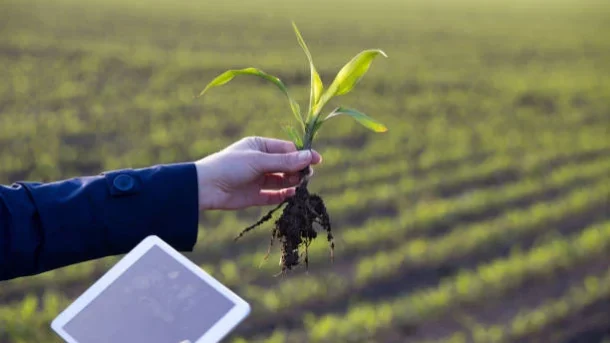

How does the adoption of agtech solutions impact agricultural productivity?

agtech

The implementation of agtech (agricultural technology) solutions can significantly increase efficiency, accuracy, and decision-making in numerous facets of farming, which will increase agricultural productivity. Agtech makes use of cutting-edge technologies to improve agricultural practices overall, raise yields, decrease resource waste, and address issues faced by farmers. Following are some examples of how the use of agtech solutions affects agricultural productivity:

Agtech offers precision agricultural methods including using GPS-guided equipment and sensors to enhance nutrient application, watering, and planting. By ensuring that crops receive the proper amount of inputs and minimizing resource waste, higher yields are the result.

Data-Driven Decision Making: Agtech systems collect current information on crop health, weather trends, and soil conditions. Farmers may boost productivity by using this data-driven strategy to assist them make informed decisions about planting, fertilizing, pest control, and other management activities.

Robotics and Automated Equipment: The use of robotics and automated equipment in agriculture streamlines labor-intensive processes including planting, harvesting, and crop monitoring. Automation improves speed and efficiency of activities, which decreases human error and increases productivity.

Agtech solutions use remote sensing and imaging techniques like drones, satellite imagery, and other technology to keep an eye on vast agricultural fields. This monitoring enables the early identification of agricultural problems, enabling prompt remedial action to resolve concerns and avoid output losses.

What are the implications of climate-smart agriculture in the market?

climate-smart agriculture

The term “climate-smart agriculture” (CSA) refers to agricultural methods and techniques that seek to raise yields, strengthen resistance to climate change, and lower greenhouse gas emissions. The agriculture market may be affected in a number of ways by the adoption of climate-smart practices:

Enhanced Resilience: Climate-smart agriculture aids farmers in adjusting to climate change’s effects, including extreme weather, droughts, and shifted growing seasons. For the advantage of farmers and the market, increased resilience can lead to more steady agricultural production and lower crop failure risks.

Production that is Sustainable: The CSA encourages sustainable agriculture methods that reduce their negative effects on the environment and preserve natural resources. More ecologically friendly and sustainable agricultural products could result from this, which would be consistent with consumer expectations for items made in an ethical and sustainable manner.

Enhanced production: Farmers can increase their production and yield potential by implementing climate-smart techniques including precision agriculture, effective water management, and better pest control. Productivity gains can help the market receive a more plentiful and consistent supply of agricultural goods.

Market Access and Certification: Climate-smart farming techniques may offer doors to new markets and certification programs that place a premium on environmentally friendly and sustainable goods. Farmers who use CSA may have access to upscale marketplaces that emphasize environmentally friendly and sustainable operations.

Agriculture produced using climate-smart methods can be marketed as being both ecologically beneficial and climate resilient. By differentiating products on the market, branding may improve consumer demand and market share.

How are organic and conventional agricultural products priced differently in the market?

organic and conventional

Due to numerous aspects of their production methods, demand-supply dynamics, and customer preferences, organic and conventional agricultural products are priced differently on the market. Here are some major justifications for why prices for conventional and organic goods differ:

Production expenses: When compared to conventional farming, organic farming frequently has higher production costs. Natural fertilizers, more labor-intensive approaches, and more expensive pest control techniques are often used by organic farmers.

Certification and Regulation: To meet certain organic standards and regulations, organic products need to be certified, which comes at an additional expense to farmers. There might not be the same certification standards for conventional products.

Productivity and Yields: Compared to conventional farming practices, organic farming operations may result in somewhat lower yields, which can have an impact on the market’s supply and pricing.

Market Demand: Since organic products are frequently linked to health and environmental advantages, consumer demand for them is stronger. Pricing for organic goods may increase as a result of increased demand.

Consumer Perception: Some consumers believe organic products to be safer or of greater quality, which can justify a market premium for them.

How does real-time monitoring of crop conditions optimize pest control measures?

real-time monitoring

By providing fast and reliable information on insect populations, infestation levels, and crop health, real-time monitoring of crop conditions plays a critical role in improving pest control efforts. Real-time monitoring improves pest management in the following ways:

Real-time monitoring enables early detection of pests or indications of harm from pests. Farmers can spot the presence of pests at the first signs of infestation by using a variety of monitoring tools such traps, sensors, or visual inspection. Early discovery allows for prompt action and focused pest management techniques, reducing pests’ ability to spread and their effects.

Effective action: Up-to-date information on pest activity and population dynamics is provided by real-time monitoring. Farmers can choose the best time to intervene in pest management using this knowledge.

Real-time monitoring enables farmers to establish pest population thresholds or action levels based on scientific information and regional circumstances. Farmers can decide when to start pest management techniques by establishing these criteria. The right timing and level of pest management actions can be determined using monitoring data along with knowledge about pest biology and crop vulnerability. Through the avoidance of pointless pesticide treatments when pest populations are below harmful levels, threshold-based decision making supports sustainable pest management.

Targeted management methods: Real time monitoring provide information on the location and population density of the specific pest species. Farmers can use this information to create targeted pest control techniques that are specific to the identified pests. Farmers can use selective pesticides to prevent the use of broad-spectrum pesticides, which can kill beneficial creatures and disturb the ecological balance.

What are the benefits of using controlled environment agriculture in urban areas?

controlled environment agriculture

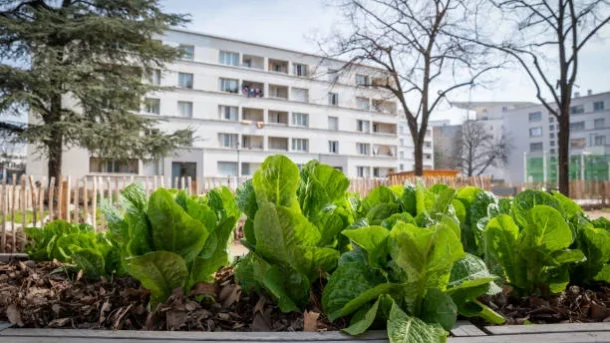
When used in urban locations, controlled environment agriculture (CEA) has a number of advantages. The following are some major benefits of applying CEA in urban settings:

Crop production all year long: controlled environment agriculture permits crop production all year long, regardless of the outside weather. Crop production is made possible by CEA systems by offering a controlled environment that includes temperature, humidity, light, and CO2 levels. As a result, metropolitan regions have a consistent and predictable supply of food because there is less reliance on seasonal variations and outside causes.

Effective use of space: The amount of agricultural land that is available in urban settings is frequently constrained. Contrary to conventional agricultural practices, CEA systems, such as vertical farms, hydroponics, or aeroponics, make better use of available space. Higher crop yields are possible because they can be built to make the most of vertical or horizontal space.

Water conservation: CEA systems use water quite effectively. They frequently use water-recycling and -reusing closed-loop irrigation technologies, including hydroponics or aeroponics. By reducing evaporation, runoff, and losses brought on by ineffective irrigation techniques, CEA can dramatically cut water use when compared to conventional open-field agriculture. In metropolitan settings where there is a lack of water, this water saving is very beneficial.

Reduced use of pesticides and herbicides: In CEA systems, the controlled environment offers advantages for managing pests and diseases naturally. The requirement for chemical pesticides and herbicides can be considerably reduced by CEA by avoiding exposure to external pests. The use of biological control agents, a type of integrated pest management (IPM) strategy, can be more successfully applied in CEA, further lowering reliance on chemical inputs. Produce for urban markets becomes cleaner and healthier as a result.

How can agroecology contribute to sustainable agriculture?

agroecology

As an ecological method of farming, agroecology makes numerous contributions to sustainable agriculture. The following are some ways that agroecology might support sustainable agriculture:

Conservation of biodiversity: Agroecology highlights the significance of biodiversity in farming systems. Agroecology aids in biodiversity preservation by encouraging different cropping systems, crop rotations, intercropping, and the preservation of natural habitats on and around farms. Maintaining biodiversity promotes the health of ecosystems generally and the resilience of beneficial insects, pollinators, and natural pest control.

Agroecologies promotes soil health and fertility through techniques including the integration of organic matter, cover crops, crop rotation, and reduced tillage. Through these techniques, soil structure is improved, organic matter content is raised, water infiltration is improved, and erosion is decreased. Long-term production is increased by nutrient availability to plants and nutrient cycling in healthy soils.

Conservation of natural resources: Agroecology encourages the effective and sustainable use of resources such as water and energy. Water conservation strategies include rainwater collection, agroforestry systems that improve water retention and lessen runoff, and water-saving irrigation techniques. To reduce the carbon footprint of agricultural operations, agroecologies also promotes the use of renewable energy sources and energy-efficient practices.

Reduction of synthetic chemical inputs, such as pesticides and fertilizers: Agroecology encourages the reduction and prudent use of synthetic chemical inputs. Agroecology reduces dependency on chemical pesticides by applying ecological pest management techniques like biological control, crop rotation, and habitat diversification. The requirement for synthetic fertilizers is further lessened by techniques like organic fertilization, nutrient recycling, and nitrogen-fixing cover crops.

 What are the advantages of using genetically modified crops?

genetically modified

There are a number of advantages to using genetically modified (GM) crops, which can help farmers, consumers, and the environment. Some of the main benefits of utilizing genetically modified crops are as follows:

GM crops are frequently developed to express characteristics that improve crop productivity, increasing crop yield. For instance, crops can be altered to withstand pests, illnesses, or environmental challenges like salt or drought. Genetically modified crops can help to boost agricultural productivity and food production by minimizing yield losses brought on by pests or unfavorable growth circumstances.

Improved Crop Quality: Through the introduction of characteristics that increase nutrient value, flavor, or shelf life, genetic manipulation can improve crop quality. For instance, GM crops can be modified to have more vitamins or minerals, hence preventing nutrient shortages.

Disease and Pest Resistance: GM crops can express resistance against particular pathogens or pests. As a result, fewer chemical pesticides or fungicides are required, reducing pesticide use and the related hazards to the environment. GM crops that are resistant to pests can lower crop losses from insect damage and encourage more environmentally friendly pest control methods.

Reduced Environmental Impact: Growing GM crops can have advantageous effects on the environment. Genetically modified (GM) crops can lessen exposure to non-target creatures, reduce chemical runoff into water bodies, and safeguard valuable insects by using less pesticides. Additionally, certain GM crops are made to consume less water or to withstand particular environmental conditions, resulting in more effective water use and less impact on the environment.

How does integrated pest management (IPM) reduce the reliance on pesticides?

integrated pest management

integrated pest management is a method to pest control that places an emphasis on using a variety of tactics to reduce pest populations while reducing the usage of pesticides. IPM lessens the need for pesticides in the following ways:

Monitoring and Thresholds: To gauge pest populations and crop damage levels, integrated pest management starts with routine monitoring and scouting. Farmers decide when pest numbers reach a point where action is necessary by setting action thresholds. By ensuring that pesticides are only applied when necessary, this minimizes the usage of unneeded chemical agents.

IPM places a strong emphasis on the adoption of cultural techniques that reduce the pest-friendly qualities of the agricultural environment. Crop rotation, the use of resistant cultivars, altering planting dates, maximizing irrigation and fertilization, and enhancing soil health are some of these techniques. Crop health is improved by removing situations that encourage pests.

The use of biological management techniques, which entail employing pests’ natural enemies to control their populations, is encouraged by IPM. This includes dispersing or preserving pest-eating nematodes, predatory mites, parasitic wasps, beneficial insects, and beneficial insects. Biological control lowers insect populations without the use of chemical pesticides by utilizing the ecosystem’s inherent regulatory processes.

Controls that are mechanical and physical: IPM uses a number of mechanical and physical techniques to manage pests. These techniques include hand-picking pests, setting up barriers, using traps, mechanical cultivation or mowing, and heat treatments. Pests can be physically eliminated or discouraged, which will lessen the need for chemical management by lowering their number.

What are the advantages of using biological pest control methods?

biological pest control

Biological pest control techniques have a number of benefits over traditional chemical-based pest control strategies. The following are some major benefits of biological pest control:

Environmental safety: Biological pest management techniques are safe for the environment with little risk to non-target species, beneficial organisms, and ecosystems. Biological control methods are unique to the target pest and have minimal effects on non-target organisms, in contrast to chemical pesticides, which can have negative environmental effects.

Biological pest management lessens the need for synthetic pesticides, reducing the amount of chemicals used in agriculture. By doing this, the likelihood of pesticide residues in food, soil, water, and crops is reduced. It supports organic farming methods and works to preserve a more wholesome and natural agricultural ecosystem.

Pest control that is specifically targeted: Biological control agents are frequently quite specific to individual pests or pest groupings. Beneficial insects, pollinators, and other non-target organisms are not damaged whereas pest species are the only ones they target. This targeted precision lowers the possibility of upsetting the ecosystems’ natural balance and promotes biodiversity.

Biological pest control techniques provide long-term solutions for pest management. Contrary to chemical pesticides, which can cause pests to develop pesticide resistance over time, biological control agents frequently contain a variety of modes of action that make it less probable for pests to do the same. Long-term, this offers viable and efficient pest control methods.