Plant diseases

What is the role of phosphate-solubilizing bacteria in biofertilizers?

phosphate-solubilizing

In biofertilizers, the primary function of phosphate-solubilizing bacteria is to change these insoluble forms of phosphorus into soluble ones that plants can easily absorb. They achieve this by a procedure known as phosphorus solubilization, which calls for the bacteria to release organic acids and enzymes. The insoluble phosphorus compounds are broken down and transformed into soluble orthophosphate ions (H2PO4- and HPO42-) by the action of these organic acids and enzymes.

Phosphate-solubilizing bacteria help plants grow and develop in the following ways:

Better phosphorus availability: The bacteria solubilize phosphorus, increasing its availability to plants in the root zone. The soluble phosphorus ions can then be absorbed by plants through their root hairs, resulting in healthy development and improved physiological processes.

Enhanced nutrient uptake: For plants to absorb nutrients as efficiently as possible, there must be enough phosphorus available. The presence of phosphorus in a form that is easily absorbed by plant roots is ensured by phosphate-solubilizing bacteria, supporting total nutrient uptake.

Stress tolerance: Phosphorus is essential for increasing a plant’s resilience to environmental stresses like disease, drought, and severe temperatures. PSB can improve a plant’s capacity to endure challenging circumstances by increasing the phosphorus that is accessible.

Growth and development of the root system are sped up by the increased availability of phosphorus. A strong root system enables plants to search a broader area of the soil for water and nutrients, which improves their general health and resiliency.

Agriculture that uses less chemical phosphorus by using biofertilizers that contain phosphate-solubilizing bacteria.
What are some examples of successful biofertilizer applications in agriculture?

applications

There are several examples of biofertilizer applications that have been effective in agriculture, where the use of biofertilizers has increased crop yields, decreased reliance on chemical fertilizers, improved soil health, and promoted sustainable agricultural practices. Here are a few noteworthy instances:

Rhizobium Inoculation for Legumes: Rhizobium biofertilizers have been successfully used to inoculate legume crops like soybeans, chickpeas, and lentils. The symbiotic association that rhizobium develops with legume roots allows it to fix atmospheric nitrogen into forms that plants can use, which greatly reduces the need for nitrogenous artificial fertilizers and increases crop output.

Mycorrhizal Fungi in Various Crops: Vegetables, fruit trees, and grains have all benefited from the use of mycorrhizal biofertilizers. Mycorrhizal fungi develop advantageous relationships with plant roots, enhancing nutrient intake effectiveness, water absorption, and disease resistance.

Bacteria that Solubilize Phosphate: Biofertilizers applications that help phosphorus dissolve have been used on crops with high phosphorus needs, like maize, rice, and wheat. These microorganisms make soil’s fixed phosphates available to plants by solubilizing them, which lessens the requirement for phosphorus-containing chemical fertilizers.

For cereal crops like wheat, rice, and corn, azotobacter biofertilizers have demonstrated their efficacy. Azotobacter fixes nitrogen in the atmosphere, promoting plant growth and output while lowering reliance on nitrogen fertilizers.

Cyanobacteria for Paddy Rice: In paddy rice fields, cyanobacterial biofertilizers have been used to increase soil fertility and aid in nitrogen fixation. In some areas, using this method instead of chemical nitrogen fertilizer to grow rice has proved successful.

Can biofertilizers enhance crop yields?

crop yields

Yes, when applied properly and in conjunction with sound agricultural methods, biofertilizers can increase crop yields. The advantages of biofertilizers include greater plant growth and nutrient uptake, which result in higher crop output. Biofertilizers can increase crop yields in a number of ways, including:

Fixation of atmospheric nitrogen into forms that plants can use is done by nitrogen-fixing bacteria found in biofertilizers like rhizobia or cyanobacteria. Similar to this, phosphate-solubilizing biofertilizers transform unavailable types of phosphates. Biofertilizers assist maintain optimum nutrient levels in the soil, which supports optimal plant growth and agricultural harvests, by offering a natural and sustainable source of nutrients.

Increased Nutrient Uptake Efficiency: Some biofertilizers, including mycorrhizal fungi, develop symbiotic connections with plant roots to increase nutrient uptake effectiveness. Mycorrhizal fungi increase the surface area of the root system that can absorb nutrients, which improves plant nutrient uptake.

Enhanced Root Growth: Plants can obtain more water and nutrients from the soil when their roots are growing and developing properly, which is possible with biofertilizers. Root systems that are strong and established are better able to support bigger yields.

Some biofertilizers include biostimulant effects, which encourage general plant health and growth. Plant metabolism, nutrient transport, and stress resistance are all improved by biostimulants, and these factors can all have a positive effect on crop yields.

Disease Suppression: Biofertilizers can make plants more disease resistant by inducing systemic resistance. Biofertilizers assist sustain healthier plants by defending crops against diseases.

How do biofertilizers influence plant disease resistance?

influence

Through a variety of techniques that improve the plant’s natural defense systems and support a better rhizosphere environment, biofertilizers can influence plant disease resistance. The interactions between the beneficial bacteria in biofertilizers and plants help plants resist disease and have better immunity. Here are a few ways that biofertilizers affect a plant’s ability to withstand disease:

Some biofertilizers have the ability to make plants develop systemic resistance. A plant’s capacity to protect itself against a variety of pathogens after being exposed to a particular beneficial microbe or one of its byproducts is known as systemic resistance. When helpful bacteria are present in biofertilizers, the plant’s influence system is triggered, which results in the synthesis of defensive substances and proteins that guard against numerous infections.

Competition with Pathogens: Pathogenic bacteria compete with biofertilizers for resources and space by colonizing the roots of plants and the rhizosphere around them. The risk of disease development can be decreased by this competitive exclusion, which can restrict the proliferation and establishment of pathogens in the rhizosphere.

Antagonism: A number of helpful microorganisms included in biofertilizers have an adverse effect on plant diseases. Through the synthesis of antimicrobial compounds or by competing with diseases for nutrients and space, they may directly restrict the growth of pathogens.

The generation of antifungal chemicals in plants is induced by several biofertilizers, notably those that contain mycorrhizal fungi. These substances can offer defense against infections that are carried by the soil.

What is the difference between biofertilizers and biopesticides?

biofertilizers and biopesticides

Although both biofertilizers and biopesticides are products used in agriculture, their respective responsibilities in supporting plant health and warding off pests are unique. Here is a comparison between biofertilizers and biopesticides:

Biofertilizers:

The goal of biofertilizers is to improve soil fertility and plant nutrient availability by containing helpful microorganisms (such bacteria and fungus) or organic compounds.

Function: The main goals of biofertilizers are to boost plant nutrient intake, fix atmospheric nitrogen, solubilize phosphorus, and improve soil health. They don’t proactively defend plants from pathogens or pests.

Biofertilizers encourage the cycling of nutrients, release compounds that aid in plant growth, and form symbiotic associations with plants (such as nitrogen-fixing bacteria and mycorrhizal fungus).

Benefit: By lowering dependency on synthetic chemical fertilizers and enhancing soil structure, they help sustainable agriculture by encouraging better plant development and greater agricultural yields.

Biopesticides:

In order to prevent pests, insects, viruses, and diseases that impact crops, biopesticides are compounds derived from natural sources, such as beneficial microbes, plant extracts, or certain minerals.

Biopesticides’ main purpose is to manage or control pest populations, such as those of insects, nematodes, fungi, bacteria, and viruses that can harm crops.

Biopesticides have a variety of modes of action, including predation, parasitism, growth inhibition, and physiologic disruption of pests.

Benefit: Since biopesticides often have reduced toxicity to creatures other than their intended targets and do not leave hazardous residues in the environment, they provide a more sustainable and ecologically friendly method of pest management.

What are the different types of biofertilizers?

biofertilizers

Biofertilizers are organic compounds with active microorganisms that support plant development and soil fertility. By fixing nutrients and making them easily accessible to the plants, they cooperate with the plants. There are various kinds of biofertilizer, such as:

Nitrogen-fixing bacteria are present in these biofertilizers, which transform atmospheric nitrogen (N2) into ammonia and other plant-useful forms of nitrogen. Rhizobium, Azotobacter, and Azospirillum are a few examples.

These biofertilizers that solubilize phosphorus from insoluble substances in the soil so that it is available to plants contain microorganisms that do this. For this, phosphorus-solubilizing bacteria (PSB) and fungi are frequently utilized.

Biofertilizer that mobilize potassium from fixed soil forms so that plants can access it more easily are known as potassium-mobilizing biofertilizer. A few types of bacteria and fungi are involved in the solubilization of potassium.

Biofertilizers that selectively solubilize phosphate are able to liberate it from inaccessible forms in the soil and make it available to plants.

Sulfur-oxidizing biofertilizers: These contain bacteria that oxidize sulfur to produce sulfate, which is a form that plants may absorb, from elemental sulfur or sulfur compounds.

Biofertilizers that break down silicate minerals into silica might benefit plants by increasing their resilience to pests and diseases. Silicate-solubilizing bacteria can break down silicate minerals into silica.

What are the challenges in achieving sustainable intensification of aquaculture?

aquaculture

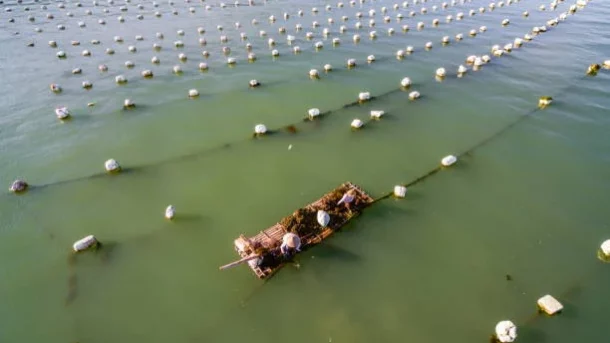
There are various obstacles to overcome in order to achieve sustainable intensification of aquaculture, which entails increasing output while reducing environmental effects and retaining social and economic benefits. Aquaculture is essential for supplying the rising global demand for seafood, but it must be appropriately managed to prevent harm to the environment and nearby communities. The following are some of the major obstacles to sustainable aquaculture intensification:

Increased waste generation, nutrient runoff, and habitat degradation are some of the environmental effects of intensification. Fish overcrowding in small areas can cause water quality to deteriorate, resulting in eutrophication and toxic algal blooms.

Disease and biosecurity: As aquaculture develops, farmed fish are at a higher risk of contracting diseases. For aquaculture to be sustainable, disease risk management and biosecurity precautions must be in place.

Fishmeal and fish oil are heavily used in aquaculture feeds, which can cause overfishing and put a strain on marine resources. Feed sustainability. It is extremely difficult to create and implement sustainable substitutes for fish-based meals.

Genetic Integrity: Concerns regarding the potential effects on wild fish populations if escaped farmed fish interbreed with wild stocks are raised by the adoption of genetically enhanced fish strains for quicker growth and better disease resistance.

Increased aquacultures may result in labor problems, such as unsafe working conditions and inadequate pay for farm laborers.

What is the role of agricultural insurance in mitigating production risks?

agricultural insurance

For farmers and agribusinesses, agricultural insurance is essential for reducing production risks. Agriculture is always vulnerable to a range of risks, such as unfavorable weather, pests, illnesses, price swings, and market uncertainty. Crop failures, decreased yields, and financial hardship for farmers are all possible outcomes of these hazards. A safety net and financial shield against such hazards are provided by agricultural insurance, assisting farmers in recouping losses and sustaining their livelihoods. Here are some ways that agriculture insurance reduces production risk:

Weather-related Risks: Crop insurance, a popular form of agriculture insurance, provides coverage for losses brought on by unfavorable weather conditions like floods, storms, and excessive rainfall. Farmers can recover some of their investment from crop losses and lessen the financial burden of weather-related risks by paying for crop losses.

Crop Failure and Yield Loss: Crop insurance covers crop failure and yield losses brought on by outside forces such as pests, diseases, and other natural calamities that are beyond the control of the farmer. It makes sure that farmers can continue their agricultural endeavors and recover some of their losses.

Price Fluctuations: Some agricultural insurance plans, such as revenue insurance, shield farmers against market price swings. Farmers are compensated to help cover the difference and stabilize their income if market prices fall below a specific threshold.

In some circumstances, agricultural insurance may provide compensation for input expenditures, such as those associated with seeds, fertilizer, and pesticides, in the event that a crop fails. In the event of unanticipated situations, this aids farmers in recovering their expenses.

What are the key factors driving the demand for plant-based proteins in the market?

plant-based

The market has seen a steady increase in the demand for plant-based proteins, which is being fueled by a number of factors including shifting consumer tastes, environmental concerns, health issues, and technological improvements. The following are some major aspects influencing the need for plant-based proteins:

Consumers are increasingly looking for diets that are more balanced and conducive to their health. Due to their reduced concentration of saturated fat and potential health advantages, such as lowering the risk of heart disease and some chronic illnesses, plants-based proteins are frequently seen as healthier alternatives to animal-based proteins.

Sustainability and Environmental Awareness: Due to worries about the effects of animal agriculture on the environment, such as greenhouse gas emissions, deforestation, and water use, many customers now choose plant-based proteins as a more environmentally responsible choice.

Concerns about ethics and animal welfare have prompted some customers to prefer plant-based proteins as a method to lessen their involvement in animal suffering across the food supply chain.

Concerns concerning the sustainability of traditional livestock-based protein sources in fulfilling future food demand are raised as the world’s population continues to increase. A expanding population can be fed with more resource-effective plant-based proteins.

What are the potential implications of climate change on crop yields and prices?

climate change

Globally and regionally, climate change may have a considerable impact on crop production and pricing. Changing weather patterns and extreme events may have an effect on agricultural productivity, supply, and market dynamics as the Earth’s climate continues to warm. The following are some possible effects of climate change on crop yields and costs:

Rising temperatures, heat waves, and protracted droughts can all have a negative impact on crop output. Increased temperatures can hasten evaporation, which causes soil moisture deficiencies, stress on crops, and decreased yields.

Changing Crop Suitability: Changes in temperature and precipitation patterns may render some places unsuitable for growing traditional crops, which would force agricultural production to relocate to new regions. This may alter the patterns of regional crop supply and output.

Crop Failure and Food Shortages: Severe weather conditions, such floods, hurricanes, and heat waves, can cause crop failure and small-scale food shortages. In the impacted areas, this may lead to shortages of supplies and price increases.

Increased Pest and Disease Pressure: Warmer temperatures have the potential to make circumstances more hospitable for pests and diseases, which could result in a rise in infestations and possible crop damage. Farmers might need to spend more on pest management strategies.

Changes in precipitation patterns can cause a water shortage, affecting irrigation methods and limiting the amount of water available for crops. The need for irrigation may increase as a result of the dry circumstances, raising the expense of farming.