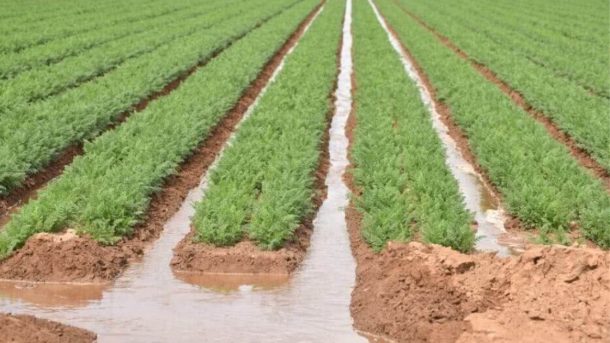
The process of applying a controlled amount of water or required quantity of water to the plants at specified or periodic interval of time is called irrigation. This process is an integral part of agriculture that keeps the farm land moist for the plants to grow and also solves the problem of dry areas which lack proper rainfall.
Irrigation
How much water is required by the olive trees?
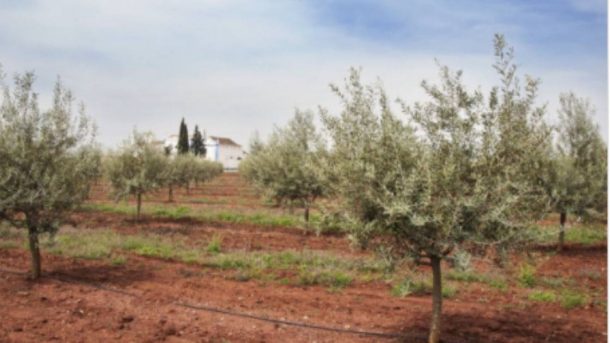
A young olive tree is expected to require 15 to 20 liters of water per week during the growing season. Providing irrigation, is an important factor for high quality fruit development. The volume of water required by the trees is dependent on the factors like age of the tree, size, humidity, wind, soil texture, soil depth, growth stage, rainfall etc. The drip irrigation system is deployed to irrigate the olive farms.
Some other watering recommendation for olive trees are: newly planted trees (0–1-year tree needs 10 liters of water per week in summer), 5-year-old olives tree needs 675 liters of water per tree, if the soil is dry and 10-year-old olives tree needs about 1875 liters of water per tree per watering cycle.
Do onions require a lot of water?
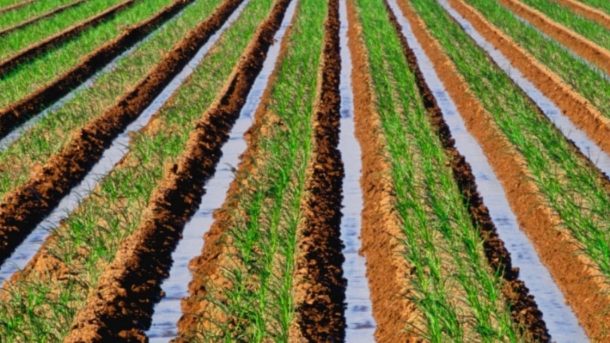
Onion crops need adequate water to produce high crop yields. Over watering causes diseased and rot in the ground. Depending on the amount of rainfall received in, 12 week growing season, we recommend irrigating with 1 inch of water once or twice a week.
How much water is required by the date palm trees?
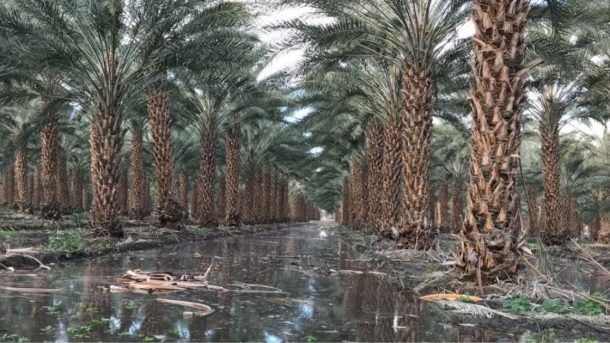
The irrigation requirement for trees depends on the age of the trees, soil type and weather conditions of the region. The actual water requirement by each plant is 2463.4 mm of water annually. It is also recommended that adult date palm trees need irrigation every 7 days during the summer and every 15 days during winter.
What is Biofloc technology?
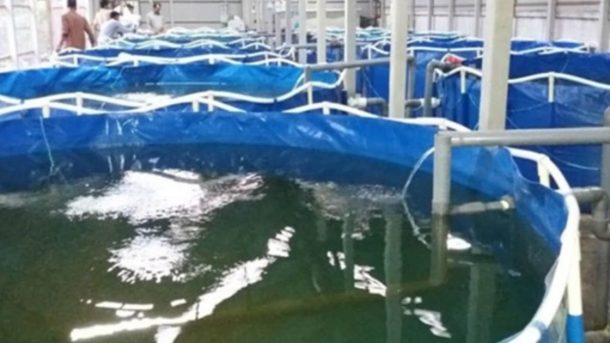
Biofloc farming technology is a system to remove waste from water. It was previously used to treat water coming into a farm and it is done so that no disease gets transferred. This system uses a set of bacteria that are good bacteria. These are probiotics and kill harmful bacteria. Thus, maintaining the water quality. They have the capability to convert the nitrogen in the water, into proteins. Then, Biofloc fish farming in India is getting popular day by day. Biofloc fish farming is a wastewater treatment that has gained vital importance as an approach in aquaculture.
What should be the quality of water for shrimp farming?
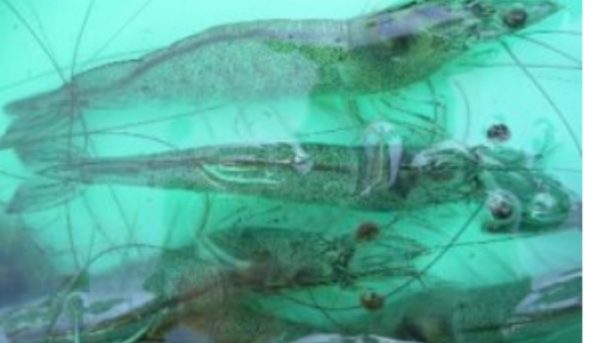
Shrimp farming needs best quality water in terms of oxygen levels. The pond or tank in which shrimp are farmed should be aerated 24 hours a day,7 days a week. The other parameters of water that are equally important are temperature, pH, alkalinity, hardness etc. The pH of the water should always be less than 10 because beyond this level it causes mortality.
Why splitting occurs in red cabbage and how to overcome with it?
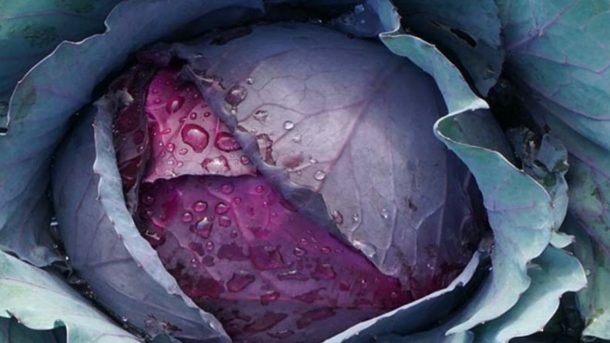
This is one of the major problems that you will face while growing red cabbage. Splitting is more common in quick -growing and early-season plant varieties. Some reasons for red cabbage would split are overwatering, heavy rains and drought etc. You can avoid cabbage head-splitting by providing mulch to your plants which will retain moisture in the soil.
What are the advantages of sprinkler irrigation system ?
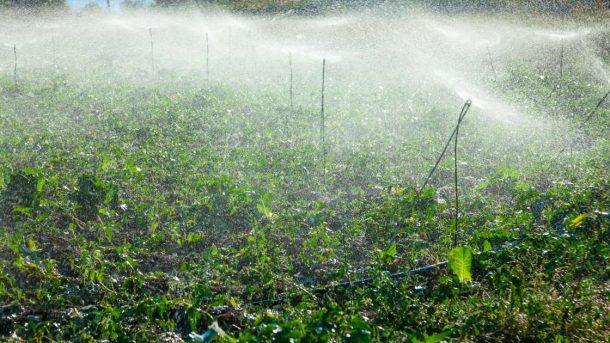
Sprinkler irrigation system helps in reducing conveyance loss, and helps in saving water up to 30% – 50 %. It is suitable in all types of soil except heavy clay. It helps in increasing yield, and reduces soil compaction. Provides frost protection , helps in alteration of micro climate and reduces labour cost. Suitable for irrigation where the plant population per unit area is very high.
What is sprinkler irrigation system ?
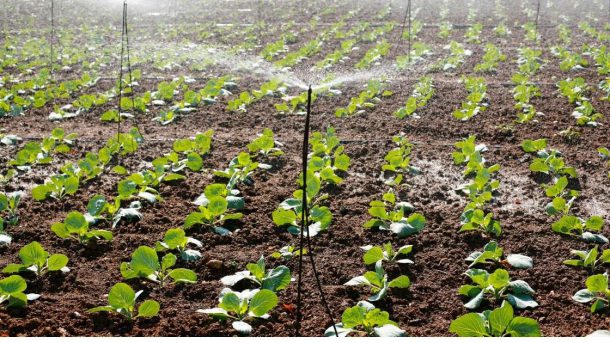
Sprinkler irrigation system allows application of water under high pressure with the help of a pump. It releases water similar to rainfall through a small diameter nozzle placed in the pipes. Water is distributed through a system of pipes, sprayed into air and irrigates in most of the soil type due to wide range of discharge capacity.
What is rotational irrigation ?
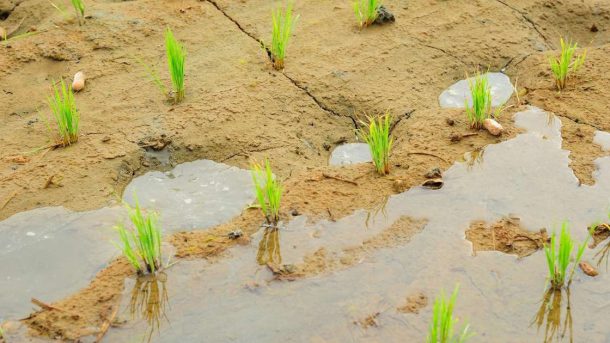
Rotational irrigation is the application of required quantity of irrigation water at regular interval such that there may not be any standing water in field between two irrigations. Irrigation interval is adjusted in such a way that the crop will not experience water deficits at any period. It is usually followed at time of deficit water supplies. Major advantage of rotational irrigation is possibly the more effective use of rainfall.