Fruit’s specific gravity can be used as a maturity grading indicator. Water has a specific gravity of 1.00, while common salt solution (2.5 percent NaCl) has a specific gravity of 1.02. Both are used to grade mango fruit development. Mango, for example, has a specific gravity of 1.01-1.02.The optimum matured fruits have specific gravity between 1.01 and 1.02 while below 1.02 is immature and above 1.02 is considered overripe.
Scientific Farming
What is physiological maturity in horticulture ?
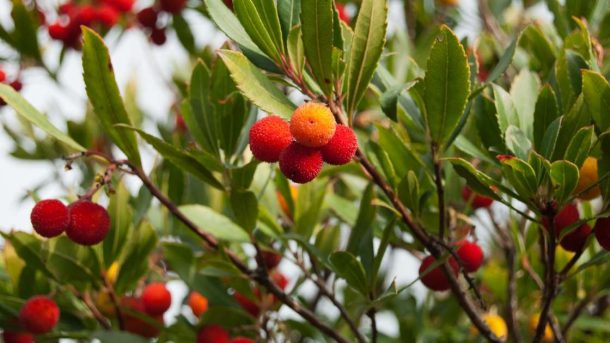
It refers to the point in the development of fruits and vegetables when they have reached their maximal size and maturity. It is frequently linked with fruit that has reached full ripeness. Senescence follows the physiological mature stage. A French bean pod of okra, for example, is physiologically mature when the seeds are fully formed and the pod dehisces easily.
What is crop maturity ?
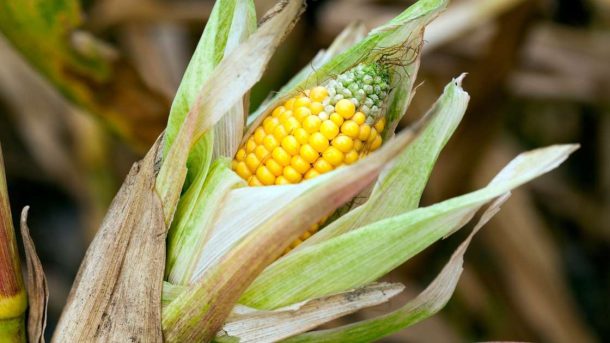
The basis for selecting the exact moment/stage to pick a crop is maturity. When it comes to quality, the stage at which the crops should be picked is critical. When harvesting is done at the correct stage of maturity, good quality is attained. Fruits harvested before optimum maturity may not ripen properly or develop good flavour, whereas crops harvested late (over mature) have a shorter post-harvest life and are more likely to decay.
What are the maturity indices of tomato?
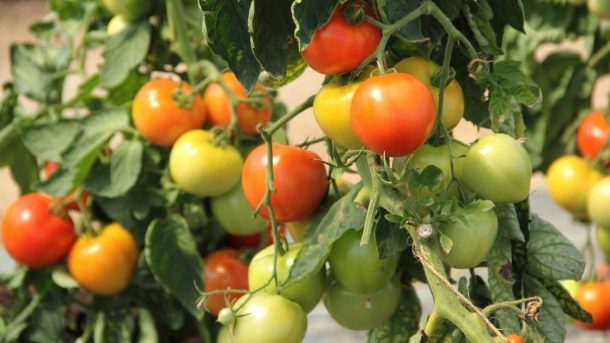
Tomatoes mature from entirely green in the first stage of maturity to red on more than 90% of the surface in the sixth and final stage of maturity. Tomatoes are harvested in the second stage when the colour changes from green to tannish-yellow and covers less than 10% of the tomato surface. Tomatoes for drying should be gathered when over 90% of the surface is red in the sixth and final stage. During the ripening phase, the weight, size, and Brix increase, while the hardness declines.
What are the benefits of raised bed planting ?
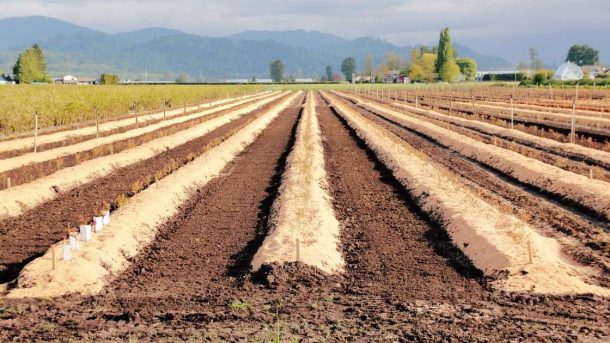
Raised beds provide a number of advantages. It helps in extending the planting season , eliminating weeds if properly planned and planted, and helps in avoiding the use of poor native soil. The soil is not compacted and the roots have an easier time growing because the farmer does not walk on the raised beds.
What is crop rotation ?
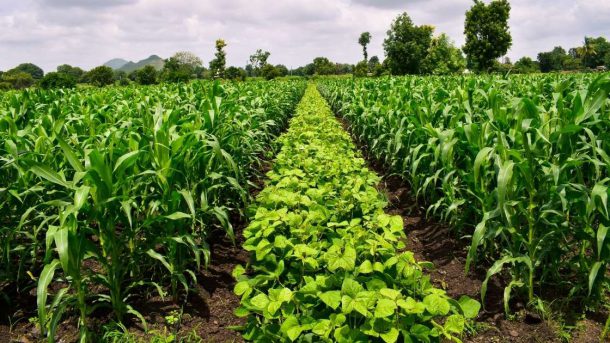
Crop rotation is the practice of cultivating a variety of crops in the same location over the course of several growing seasons. It decreases dependency on a single set of nutrients, pest and weed pressure, and the likelihood of pest and weed resistance. Crop rotations can improve soil structure and organic matter, reducing erosion and strengthening farm systems.
How earthworm increases soil fertility ?
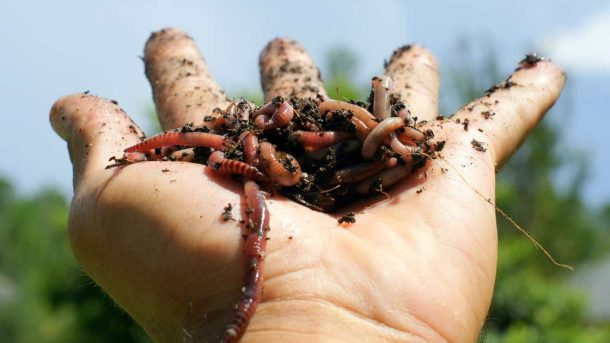
Earthworms are one of the most important organic matter decomposers. Earthworm burrows enhance soil porosity, allowing more air and water to penetrate the soil. Porosity improves root development while lowering bulk density. Because it contains nitrogen, phosphate, potassium, and magnesium, earthworm faeces or castings improve soil fertility.
How to control leaf eating caterpillar in cabbage ?

Caterpillars emerge from the egg mass, scrape the epidermal layer of the leaves, and swiftly defoliate the plants. Spray Bacillus thuringiensis, bacterial powder @ 10 g at first, then chlorfluazuron 5.4 EC @ 10 ml or cyantraniliprole 10 OD @ 10 ml per 10 lit of water if population is large.
How to control diamond back moth in cabbage?

This pest’s infection usually begins 15-20 days after the crop is transplanted. Farmers that have planted mustard or cress (asaliyo) as a trap crop around the field’s perimeter are less susceptible to the insect. By feeding, the larvae create multiple holes in plants, causing significant damage. Spray chlorantraniliprole 18.5 SC @ 3 ml, emamectin benzoate 5 SG @ 3 g, or metaflumizone 22 SC @ 10 ml per 10 lit of water at the start of the treatment.
Why boron application is recommended for cauliflower ?
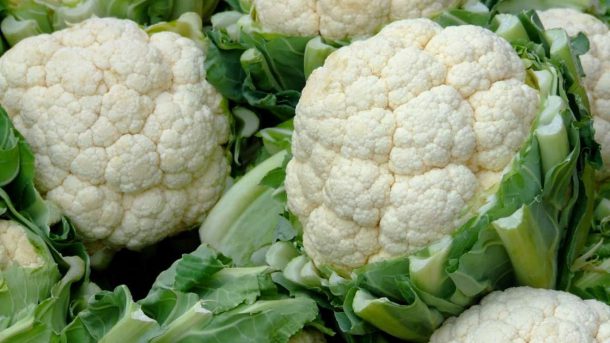
Cauliflower’s quality deteriorates as it yellows, resulting in a decreased market price for the product. Spray boron at 1 gm/liter of water at the growing stage of curd to prevent this. One kilogramme of boron should be applied through drip per acre. So that the cauliflower turns white while maintaining its quality.