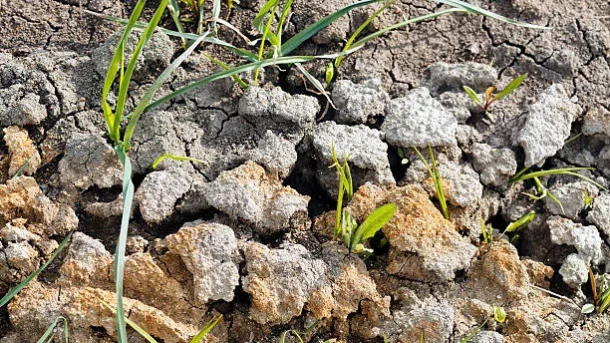
In addition to improving soil structure and overall soil health, biofertilizers can have a good effect on the stability of soil aggregates. The ability of soil particles to adhere to one another and form stable aggregates is referred to as soil aggregate stability. Pore spaces in the soil are produced by these aggregates and are crucial for air flow, root penetration, and water infiltration. Here is how biofertilizers affect the stability of soil aggregates:
Biofertilizers contain helpful microorganisms including mycorrhizal fungi and specific plant growth-promoting bacteria (PGPR), which encourage microbial activity. These bacteria promote soil microbial activity. Extracellular polysaccharides, a type of microbial secretion, operate as natural glues to bind soil particles together, encouraging the development of solid aggregates.
Decomposition of organic matter: Biofertilizers speed up the breakdown of organic materials in the soil. Stable aggregates are formed as a result of the decomposition of organic components such as agricultural leftovers and root exudates. Organic molecules that bind soil particles together are released as organic matter breaks down, strengthening the soil structure.
Root growth and exudation are encouraged by some biofertilizers, including PGPR and mycorrhizal fungi. Healthy roots help to physically link soil particles together, which improves aggregate stability. Additionally, substances produced by plant roots known as root exudates serve as a cementing agent for soil particles, assisting in aggregate development.
Biofertilizers afftect soil structure and stability by promoting symbiotic relationships between plants and mycorrhizal fungi. Through their hyphae, these fungi agglomerate soil, creating larger and more stable aggregates, thereby improving soil quality.