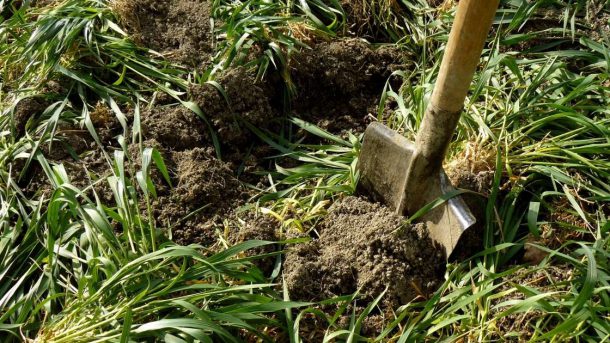
Green undecomposed material used as manure is called green manure. It is obtained by growing green manure crops or by collecting green leaf from plants grown in wastelands, field bunds and forest. Green manuring is growing in the field plants usually belonging to leguminous family and incorporating into the soil after sufficient growth. The plants that are grown for green manure known as green manure crops. The most important green manure crops are sunnhemp, dhaincha, etc.
Scientific Farming
What is broadcast seeding ?

Broadcast seeding is spreading seed over a large and imprecise region, either by hand or mechanically. Broadcast seeding is easier and faster than row planting. It takes more seed and can result in overcrowding and uneven plant cover distributions. It’s suitable for plants that don’t require specific spacing or depth. This method of sowing is also used in plants that can be thinned simply after germination.
How manuring is done in phyllanthus cultivation ?
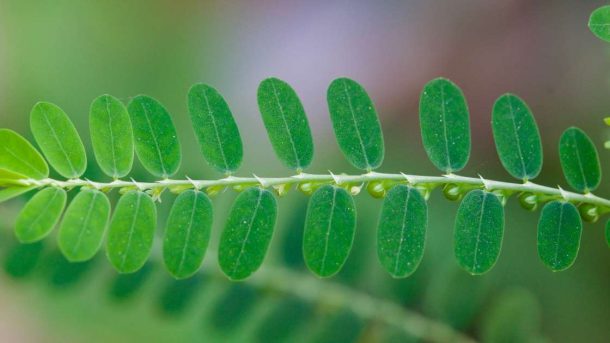
Apply 10-20 tonnes of FYM, 50 kg N, and 25 kg each of P2O5 and K2O per hectare to support strong vegetative development. The remaining N is delivered in two divided doses, the first at the 30th day and the second at the 60th day, with half the dose of N, the entire dose of P, and the complete dose of K applied as a basal dose.
What happens due to sugarcane K deficiency?
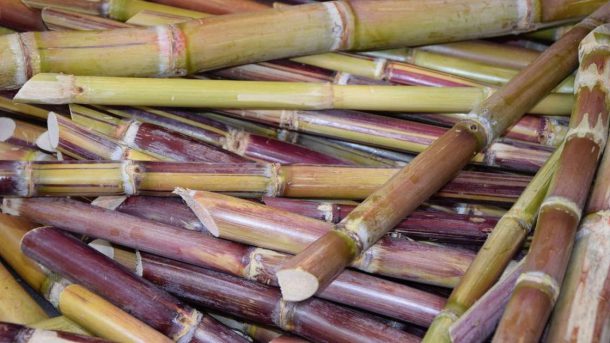
Sugarcane K ( potassium ) results in formation of slender stalks as a result of slowed growth, yellowing, and marginal drying of older leaves. The elder lower leaves take on an orange, yellow hue as they acquire multiple chlorotic patches that eventually turn brown with a dead centre. The epidermal cells of the upper surfaces and midribs of the leaves have a crimson colour. The juvenile leaves appear to have formed from a single point, creating the impression of a “bunched top.” Root development is poor, with fewer root hairs.
Why and how trash mulching is done in sugarcane ?
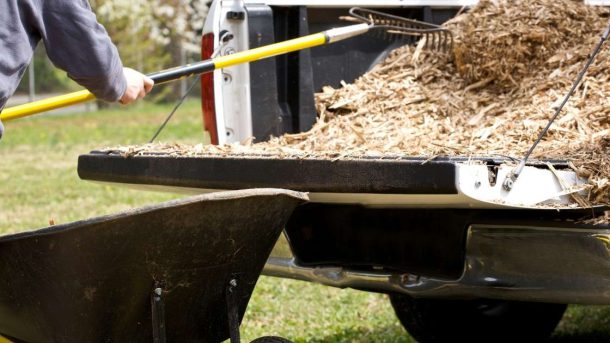
Within a week of planting, uniformly mulch the ridges with cane trash to a thickness of 10 cm. It aids in drought relief, moisture conservation, weed control, and the prevention of shoot borer infestations. After 21 days of planting in heavy soil and wetland conditions, mulch the field with trash. Avoid using trash mulching in places where termites have been discovered.
What is the importance of fermentation in pulses ?
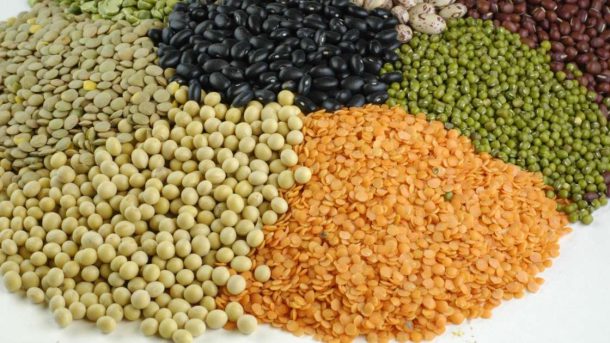
The fermentation process improves the digestibility, palatability, and nutritional content of dietary pulses. The availability of key amino acids is improved throughout the fermentation process, which improves the nutritional content of the protein of the blend. In general, legume-based fermented foods have been found to have a higher nutritional content than their raw equivalents.
What are the advantages of rhizobial coating of seeds?
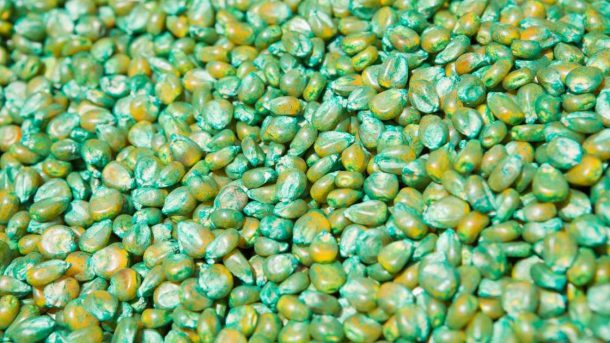
Rhizobial seed coating improves fertility at rhizosphere region with organic matter and facilitates mechanical planting of seeds. Seeds becomes uniform in size and shape. It promotes easy handling of seed. In mechanical separation seed flow easily which prevent dumping together. Small and irregular shaped seeds can be handled easily by pelleting which changes the shape of the seeds. Permits precision planting in very small seeds which results in uniform seedling emergence.
What is mastitis in cattle ?
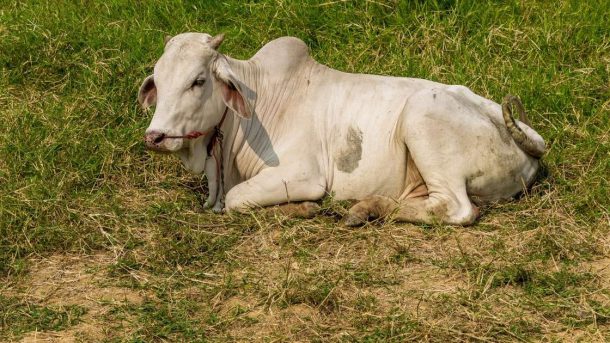
Mastitis is a condition in which the mammary gland becomes inflamed. Physical, chemical, and microbiological changes occur in milk, while physical and pathological changes occur in mammary glandular tissue. Infected milk changes colour, consistency, and has a higher concentration of leucocytes.
What is in-situ moisture conservation?
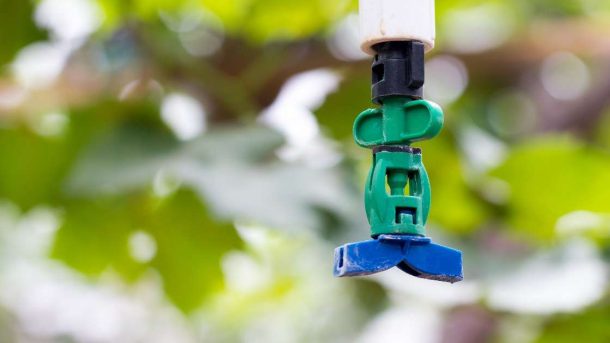
In-situ moisture conservation is done by constructing small beds where moisture is conserved consistently in the field. It also helps to decrease water runoff and soil erosion. The moisture saved thereby decreases water stress throughout the key growth stage. This results in a guaranteed yield of rainfed crops such as Jowar and Bajra.
What is the use of corcyra moth collector ?
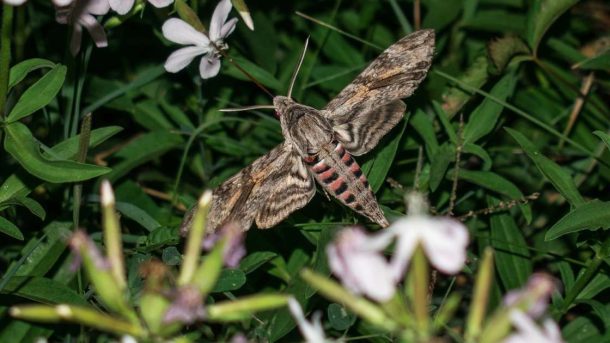
Corcyra moth collector is used in order to mass-produce biological control agents. It is used to collect corcyra moths with the least amount of health risk. As collecting time is minimised, productivity rises. This type of collectors ensures that the moth is collected without being harmed.