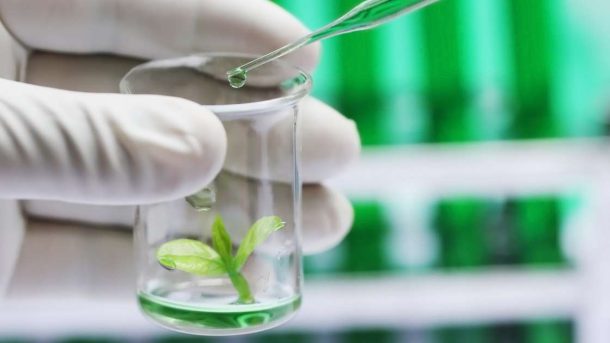
Transplant stage of tissue culture is the stage in which plantlet is transferred from the aseptic cultural environment to the free living environment of the green house. The plants ultimately requires hardening process to the final field location. The plantlet must not only root adequately but also must undergo a period of acclamation to enable it to survive and establishment.
Scientific Farming
How gall caterpillar attack amla plant ?
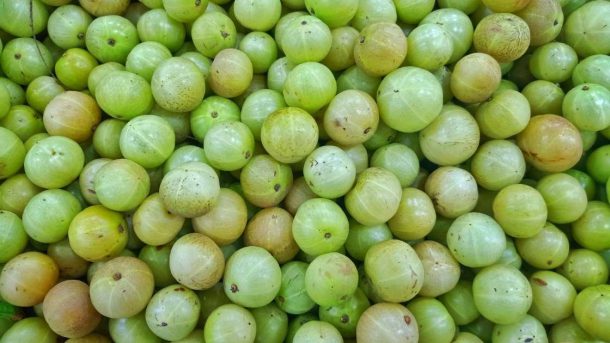
During the wet season, young caterpillars burrow into the apical section of the shoot and create tunnels. As a result, apical regrowth is inhibited, side shoots sprout beneath the gall, and future development in the next season is impeded significantly. The pest will be controlled by cutting off the affected apices and using a systemic insecticide like Dimethoate 0.03 percent as a preventative measure.
How training and pruning is done in pomegranate ?
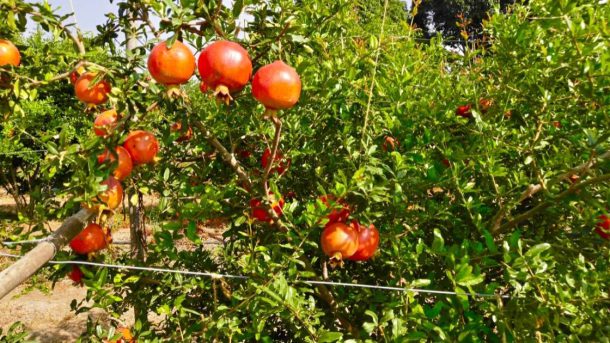
Fruits are produced at the end of shoot growth that emerges from mature wood. After the harvest is finished in December, annual pruning is done to promote new shoots on all sides by eliminating one third of the previous season’s growth. Dry, diseased, and cross-cross branches, as well as root suckers, are removed. The tree is trained to produce a single stem up to 60 cm in length with three or four scaffold branches. The fruit will be larger if the flower clusters are thinned.
What are the symptoms of uzifly attack on silkworm ?
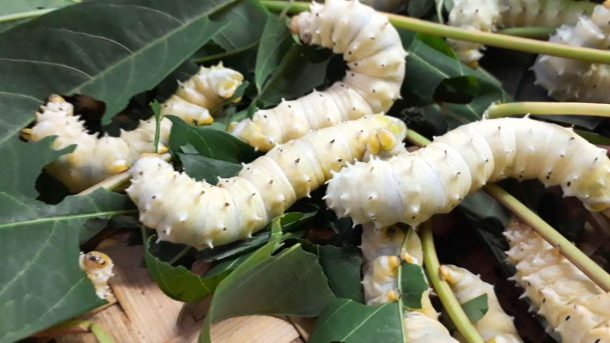
Symptoms of uzifly attack include presence of creamy white oval eggs on the skin of larvae in the initial stage, and presence of black scar on the larval skin. Silkworm larvae die before they reach the spinning stage (if they are attacked in the early stage). In later stage, pierced cocoon is noticed. Throughout the year, severity is more in winter months.
What is the significance of banyan tree soil?

Banyan tree soil helps in improving agriculture soil due to having heavy micro biomass. Banyan tree is home to many birds and animals. Where they release the excreta and soil is undisturbed. This soil contains huge amount of microbes i.e. bacteria, fungus etc. These microbes release plant growth promoters , minerals , cellulose decomposers , antibiotic substrates and keep the soil fertile.
How to prepare and apply amritpani ?
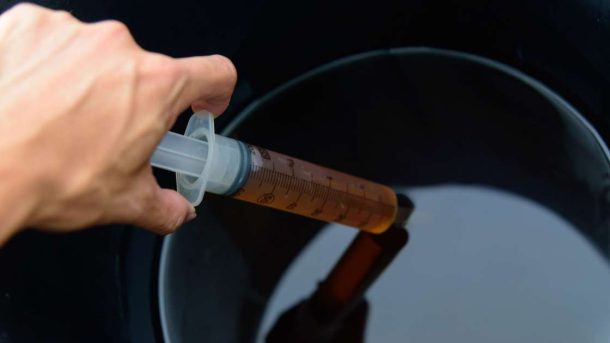
Amritpani is prepared by mixing ten kg cow dung with 500 g honey and mixed thoroughly to form a creamy paste. Add 250 g of cow desi ghee and mix at high speed. Dilute with 200-lit water. Sprinkle this suspension in one acre over soil or with irrigation water. After thirty days apply second dose in between the rows of plant or through irrigation water.
How neemastra is prepared ?
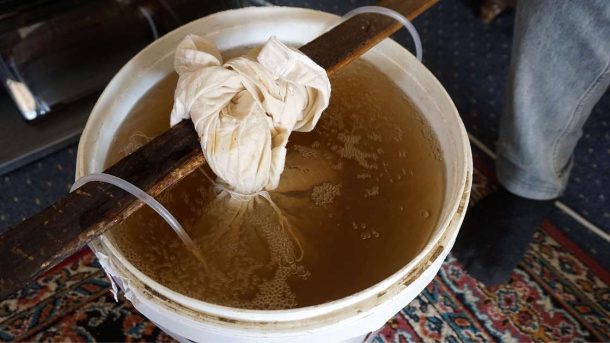
Neemastra is made by crushing 5 kg neem leaves in water with 5 lit cow urine and 2 kg cow dung. This mixture is then fermented for 24 hours with intermittent stirring. After filtering , squeeze the extract and dilute to 100 lit. This can be used as foliar spray over one acre. Also useful against sucking pests and mealy bugs.
What is the purpose of seed certification ?
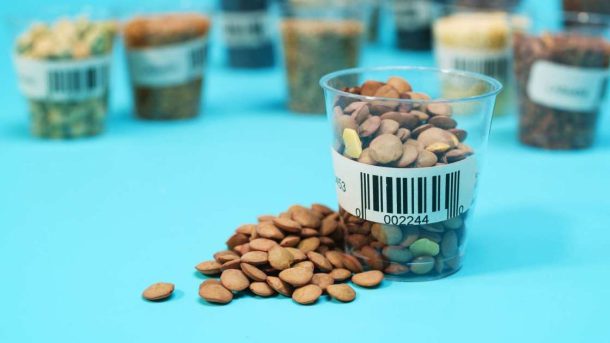
Seed certification is a legally recognised technique for ensuring the quality of seed production and multiplication. Seed certification is done to ensure quality of seed and propogating materials . It helps in maintaining genetic purity and genetic identity of varieties grown and distributed.
What is cap storage ?

It is a structure used for storing food grains. It involves the construction of brick pillars to a height of 14″ from the ground, with grooves into which wooden crates are fixed for the stacking of bags of foodgrains. The structure can be fabricated in less than 3 weeks. It is an economical way of storage on a large scale.
How paddy reaper harvester works ?
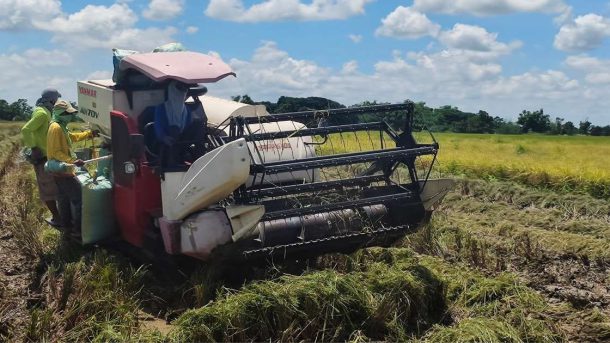
Gear box, ground wheels, handle, cutter bar assembly, star wheels, and gathering header assembly make up the machine. The crop should be manually harvested for a width of 0.5m along the four edges of the field and cleared from the field to make room for the machine. To deploy the machine in the field, a 2 x 1.5m area needs be manually harvested in one corner. Because the harvested crop is released on the right side of the reaper, it should always be turned to the left.