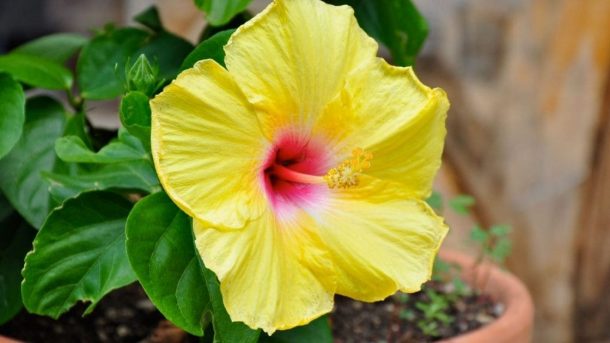
Hibiscus plant needs lots of nutrients for good blooming. In the summer time, use a high potassium fertilizer. You can either use a diluted liquid fertilizer once a week, a slow-release fertilizer once a month or you can add high potassium compost to the soil. Supplementing the soil with garden compost or applying low phosphorous based fertilizer will result in high blooming. In winter, there is no need of fertilizing the plants.
ScientificFarmingWeb
What is the irrigation requirement for Hibiscus Cultivation?
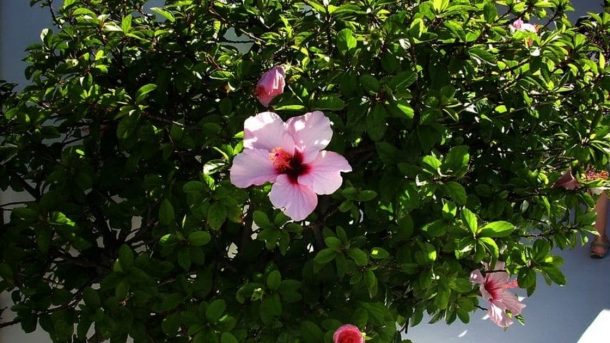
As Hibiscus plants are tropical, they prefer constant moisture and sunlight for good blooming. Irrigating / watering depend on the soil type and season. In case of hot and dry seasons, it requires daily watering. When the top leaves turning to yellow and started dropping indicates that the plant is not getting enough water. In rainy season, make sure there won’t be any water stagnating as it causes the root rot.
Which Soil is suitable for Hibiscus Cultivation?
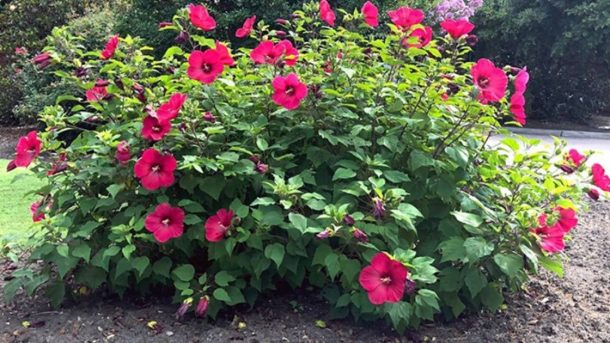
Hibiscus plants prefers sandy loam but not heavy soils. Growers can get many flowers with soil rich in organic matter. If these plants are grown in pots or containers, regular quality potting soil with added garden compost is an ideal base. To make this, composed cow manure, compost bark, and coarse peat should be mixed. Make sure the soil has well-drainage as these plants cannot tolerate water logging conditions. Make sure to have the soil in coarse stage rather than fine tilt. Hibiscus prefers neutral to slightly acidic soil. These plants thrive best in the soils with pH level between 5.5 and 6.5. If this crop is taken up as commercial on large scale, it is advised to go for soil testing. Any micro-nutrient deficiencies should be filled based on the test results.
What is the Climatic Requirement for Hibiscus Cultivation?
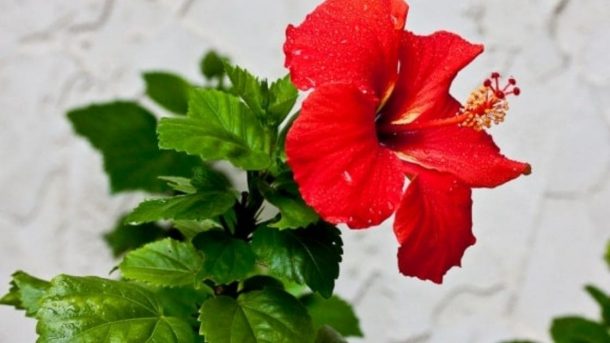
Hibiscus requires 4-8 months with night time temperatures not below 20°C. In addition, it requires 12-13 hours of sunlight during the first 5 months of growth to prevent premature flowering. Hibiscus plants require a monthly rainfall ranging from 5″- 10″ during the first 4 months of growth.
How to Propagate Hibiscus by cuttings?
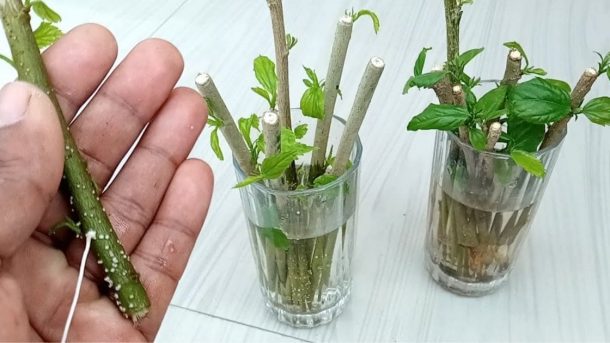
Both hardy & tropical hibiscus are propagated from cuttings. Hibiscus cuttings are generally the preferred way of propagating hibiscus because cutting will grow to be an exact copy of the parent plant. When using hibiscus cuttings to propagate hibiscus, begin by taking the cutting. The cutting must be taken from new growth or softwood. Softwood is branched on the hibiscus that has not yet developed. Softwood will be pliable & often having a greenish cast. You will generally find softwood on hibiscus in spring or early summer.
The hibiscus cutting must be four to six inches long. Remove everything but the top position of leaves. Trim the bottom of the hibiscus cutting to be cut below the bottom leaf node. Dip the bottom of the hibiscus tree cutting in rooting hormone. The next step for propagating hibiscus from cuttings is to position the hibiscus cutting in well-draining soil. Make sure the rooting soil is thoroughly wet, and then stick a finger into the rooting soil. Place the hibiscus cutting into the hole & backfill it around the hibiscus cutting. Place a plastic bag over the cutting, production sure that the plastic does not touch the leaves. Position the hibiscus cutting in partial shade. Make sure the rooting soil stays damp until the hibiscus cuttings are rooted. The cuttings must be rooted in about 8 weeks.
How Harvesting is done in Carnation Flower Growing?
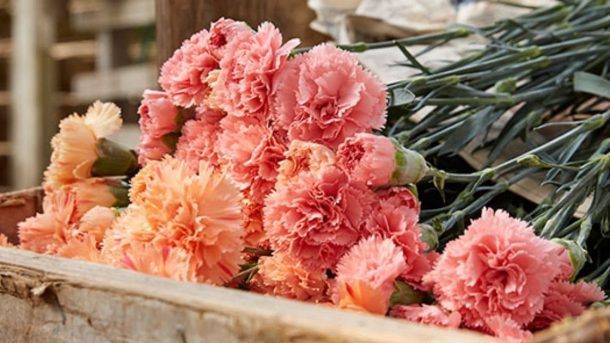
After planting, it takes 4 months to come to peak flowering. One can expect 10 to 10 flowers per plant in commercial carnation cultivation. However, yield may depend on many factors such as variety, soil type, plant age, and other cultivation practices. Picking of carnations should be carried 2 to 3 times a week with a long stem and pocked in a bunch.
What are the Manures and Fertilizers required for Carnation Flower Growing?
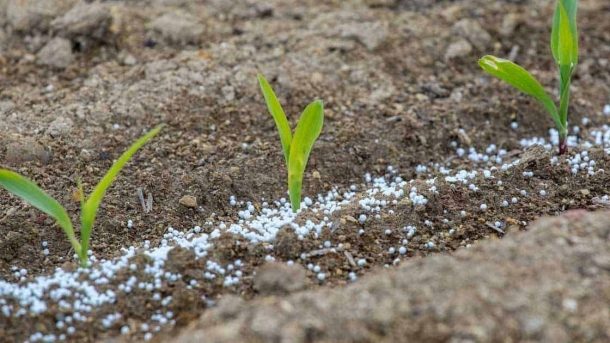
Carnations are highly responsive to manures and fertilizers. This crop is very sensitive to boron and calcium deficiency. Nitrogen, Phosphorous, and Potash should be given in the ratio of 30:20:30 grams/sq.mts/year. Carnation’s crop requires almost equal parts of nitrogen and potash. Should supply trace element boron and calcium in adequate quantities for healthy flowers. This can be done through a growth medium. This crop requires well decomposed manure of 25 to 30 tonnes per 1 hectare. This can be supplemented in the soil during land or soil preparation. A basal dose of N:P:K of 20:20:10 grams/sq.mts should be given at the time of planting and the remaining fertilizer should be applied in equally distributed dosage over the period.
What is the irrigation requirement for Carnation Flower Growing?
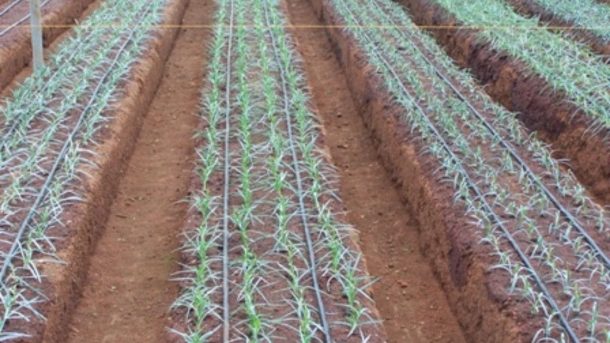
During the first 3 weeks of plantation an overhead sprinkler system required to prevent young plants from drying out. Afterward, a drip irrigation system can be adopted. Irrigation is provided with a drip system once in 2 to 3 days depending on soil moisture-holding capacity. This crop requires a water of 4 to 5 liters/sq.m/day.
Which season is suitable for carnation and how planting is done?
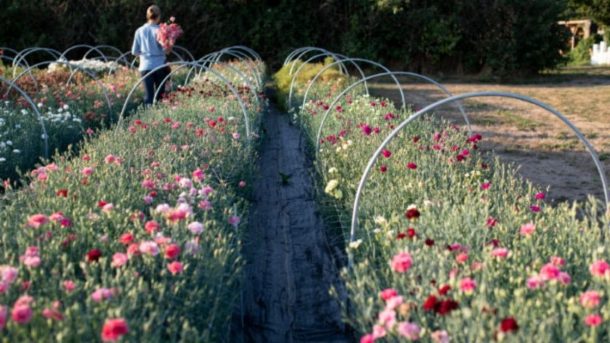
They can be grown all around the year under controlled environments like greenhouse/Polyhouse. Planting of carnation should be done with different spacing; it is ideal to cover 35 to 40 plants/sq.meter.
What is the Seed Rate and Spacing required for Carnation Flower Growing?
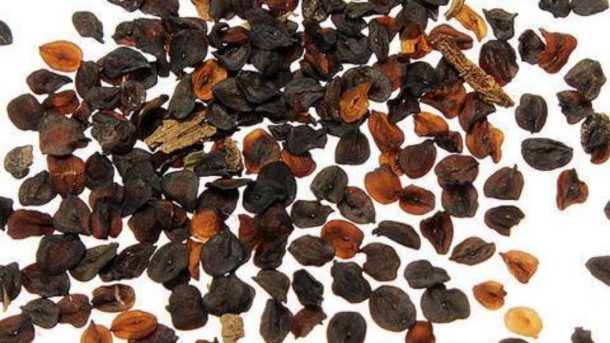
In any crop, seed rate depends on variety, planting method, soil geography, and soil type. On average, the Carnation crop requires 500 grams to cover 1-hectare land. Carnations are best suited for pot/container planting. Carnation seed will start germination within a week and seedling will become ready for transplanting within 4 weeks of sowing. Generally, spacing varies with the branching habit of the plant. The spacing’s of is 15 cm x 8 cm, 15 cm x 10 cm, 15 cm x 15 cm and 15 cm x 20 cm.