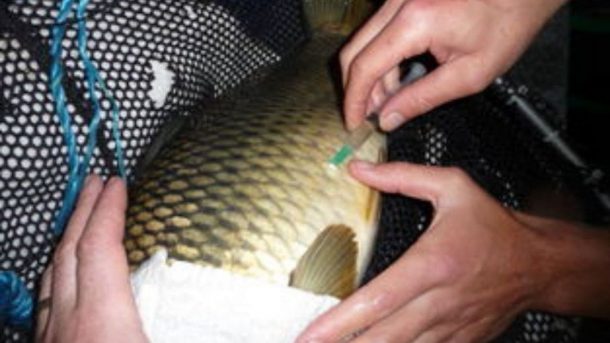
The pituitary gland from a mature fish is collected and homogenized in distilled water. This is then centrifugate’s and a hormone is injected. The extract from this pituitary is then introduced into the body of other fish like carps, which get excited and lay eggs in the pond. In short, it can be addressed as artificially inducing the hormone to help the fish fertilizer is called as induced breeding.
ScientificFarmingWeb
How does fish farming cause eutrophication?
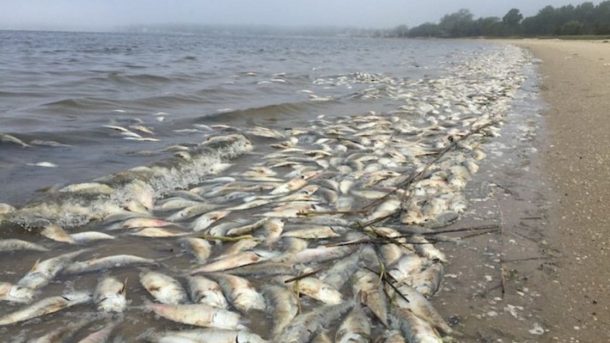
Eutrophication is a term which indicates the presence of excess nutrients in water bodies like lakes, ponds, pools or artificially constructed structures, which causes conditions like algal blooms, etc. When fish are raised in these water bodies, not all the feed given to them is consumed. The uneaten food changes the organic composition of the water bodies and alters their oxygen levels thereby causing eutrophication.
What are the advantages of composite fish culture?
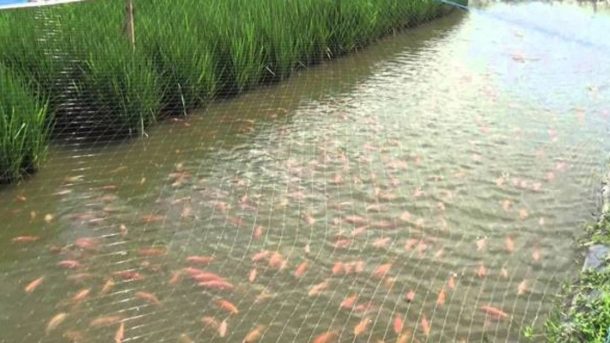
Composite fish culture is polyculture, where different fish species are raised together. Some advantages of composite fish culture are high production from the farms,Effective Utilization of feed,quality and variety of fish produced is high, Low mortality rate and better profits.
What is polyculture in fisheries?
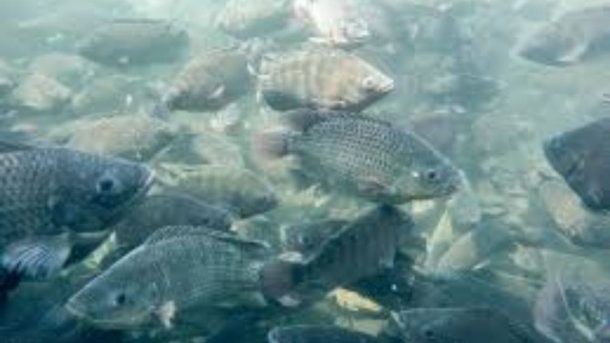
This term refers to raising different species of fish together in the same pond. This is practically done to better utilize the resources available and increase the production of the farm. Generally fish that do not compete for food or have different food habits are raised together. This practice sometimes helps improve the pond environment due to the presence of different species of fish in it.
What do you feed broiler chickens?
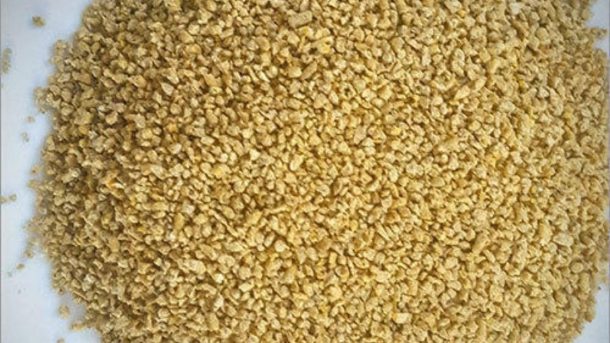
Broiler chicken need to have good protein content in their diet because they are used for meat purpose. There is broiler feed available in the market but it is important to add some extra protein to the feed such as fish meal, meat meal, meat, milk, liver, dried animal blood etc along with some broken wheat, rice bran, sesame cake, bone powder, oyster shell powder etc. would provide the chicken more vitamins and minerals. The for different quantity of feed may vary broiler chicken age.
What are a rearing pond and a nursery pond?
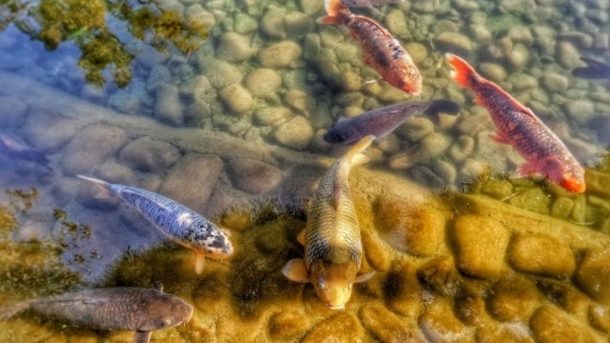
Rearing pond is an area within a big fish farm where fry fish from the breeding ponds are transplanted to grow into fingerlings. It contains fertile soil and should have a minimum depth of 60-80 cm with 1.5 m of depth near the floodgate. The water in this pond should be changed every 10 days. Ponds where spawns are raised up to fry fish stage are known as nursery ponds.
What is fish seed production?
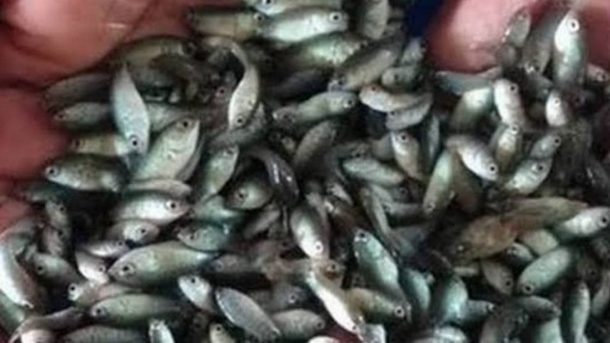
The eggs of the fish or the fry stage of the fish are called fish seeds. These are generally obtained or are produced on the farm. The later is difficult because extreme care and excellent conditions are required for the fish to spawn. There is a high mortality rate involved in producing and hatching the eggs. So, large fish farms obtain the fish seed from outside or naturally occurring areas.
What are the damage symptoms of Rust disease in moringa and how it can be managed?
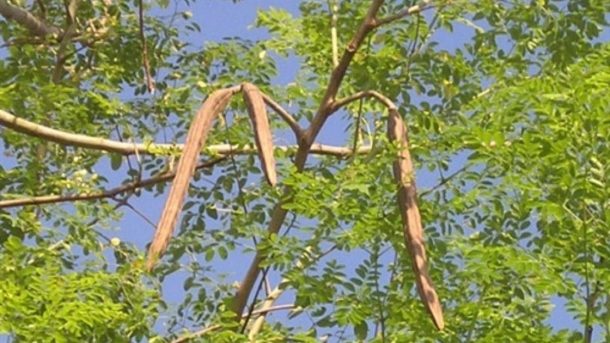
Pale leaf spots that eventually develop into pustules. The pustules are found most commonly on the lower leaf surface and produce huge numbers of microscopic pores. Severely affected leaves often turn yellow and fall prematurely.
Crop rotation and proper cultural management practices such as clean tillage help reduce the risk by reducing the amount of primary inoculum in the planting area. Application of fungicide can be done when conditions favour the disease development.
What are the damage symptoms of Anthracnose disease in moringa and how it can be managed?
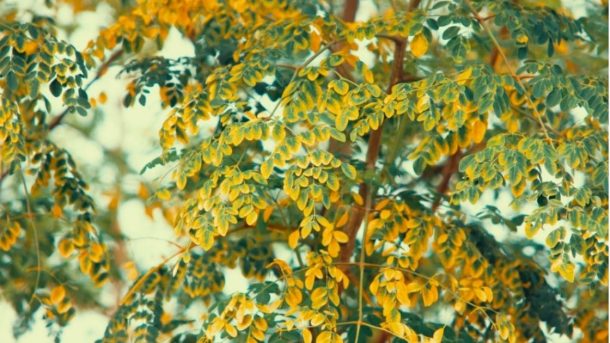
Leaf spots characterized by brown spots. Severely affected leaves gradually turned yellow and defoliated. Light pink and grey fusiform lesions can be observed on diseased stems. Spraying with protective and systemic fungicides can effectively control the disease. Pruning and burning of infected twigs is an effective cultural management practice to avoid further spreading of disease.
What are the damage symptoms of Damping off disease in moringa?
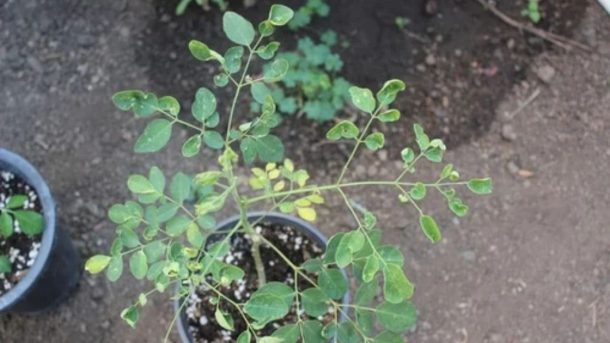
Common waterborne disease that can infect and kill a Moringa tree very quickly. Plants fail to germinate, become soft and mushy, and then turn brown, shrink, and finally disintegrate. Young seedlings can be attacked before emergence at any point, from which the infection spreads rapidly, the invaded cells collapse, and the seedling is overrun by the fungus and dies. Seedlings that have already emerged are usually attacked at the roots and sometimes in the stems at or below the soil surface.