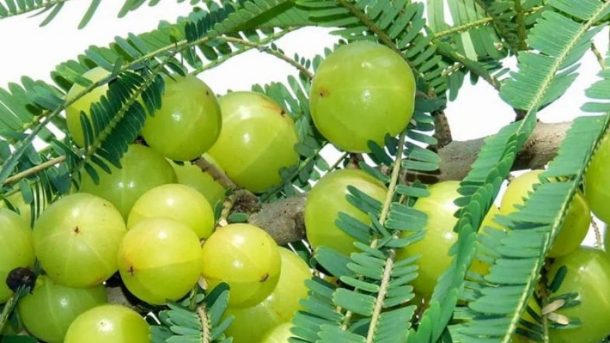
It is the cultivar of Aolna. It is a seedling selection from Varanasi district of Uttar Pradesh. It is popular variety having upright growth habit with three branchlets per node. Inflorescence is deep pink and moderate in length. Fruits are large in size, flattened, oblong, skin smooth yellowish, segment raised in three parts. The flesh is moderately fibrous, soft and semi-transparent. Flowering starts from fourth week of March. It has high number of male flowers and has self-incompatibility; hence it is shy bearer. It contains high amount of ascorbic acid. It is used for making preserves. It is early bearer with fine keeping quality. Mildly susceptible to necrosis.
ScientificFarmingWeb
Which soil is suitable for Amla cultivation?
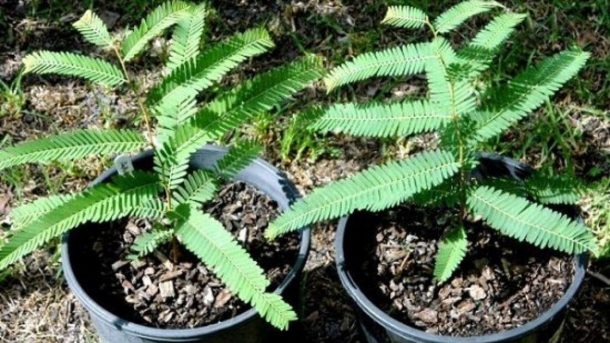
Well drained fertile loamy soil is ideal for aonla cultivation although, it can be successfully grown in light as well as heavy soils except very sandy one. Slightly acidic to saline soils (pH 6.5-9.5, EC 5dsm, ESP 30-40) are suitable for its cultivation. Heavy soils with high water table are not suitable for its cultivation. In recent years, aonla has been identified as an ideal plant for various kinds of wastelands viz., moisture stress, eroded, ravines, upland, riverbeds and areas with undulated topography. Its deep root system and deciduous nature is helpful in providing vertical drainage and improving physical, chemical and biological soil properties. Introduction of aonla in the natural rangelands has shown its suitability for rehabilitation, particularly through popularization of agri-silvihorticulture land use system. Aonla can also be planted on roadsides, strip lands. Experiments on salt tolerance of aonla showed that the aonla has immense possibility for commercial growing on salt affected wasteland which covers an area of 7.0 million hectares in India.
What is the climatic requirement of Aonla plantation?
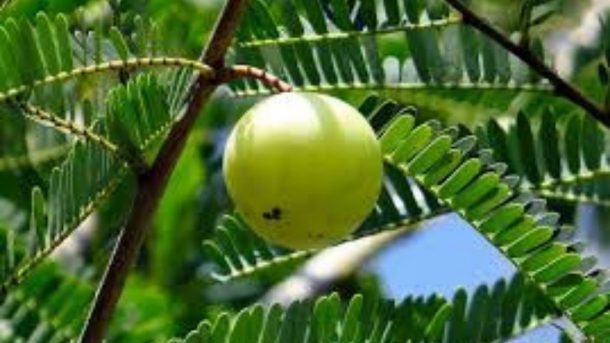
Aonla is a tropical plant. Annual rainfall of 630-800mm is ideal for its growth. The young plants up to the age of 3 years should be protected from hot wind during May- June and from frost during winter months. The mature plants can tolerate freezing temperature as well as a high temperature up to 46°C.
What is Kufri FryoM and it belongs to which variety?
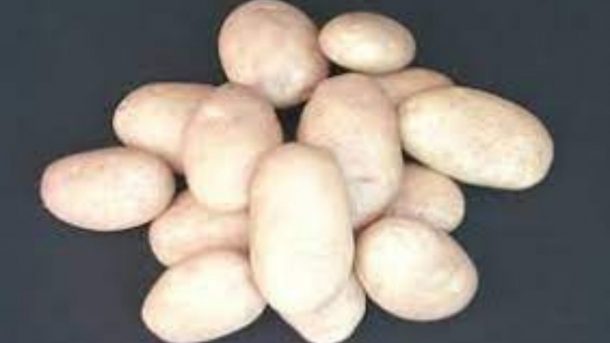
The variety is selection from the progeny of Kufri Chipsona-1 × MP/92-35. It produces attractive white long oblong tubers with shallow eyes and white flesh. The variety produces nearly 30-35 t/ha tuber yield in plains of the country. Tubers do not show deformities like cracking or hollow heart. It has field resistance against late blight disease. It is a good keeper under country store conditions and possess longer tuber dormancy period of more than 10 weeks. It possesses 20% tuber dry matter, low reducing sugars (50-90 mg/100 g fresh weight) and very good quality French fries can be prepared.
What is Kufri Himsona and it belongs to which variety?
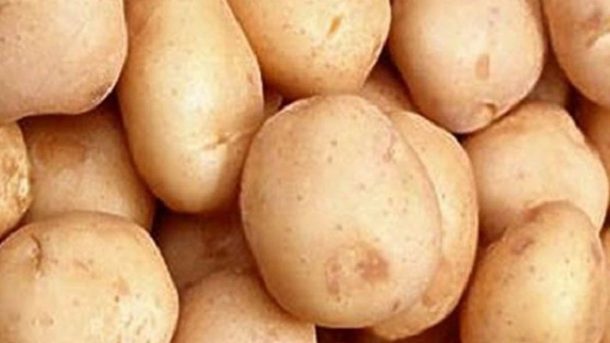
The variety is a selection from the progeny of the cross MP/92-35 × Kufri Chipsona-2. The female parent MP/92-35 is a selection from processing breeding programme. The variety produces white-cream ovoid tuber with shallow eyes and white flesh. The variety produces nearly 15-20 t/ha yield under hilly regions of the country. The tubers have dry matter content of 21-24% and reducing sugars 10-80 mg/ 100 g fresh weight. The variety has a high degree of resistance to late blight. The variety is suitable for chips and flakes making.
What is Kufri Frysona and it belongs to which variety?
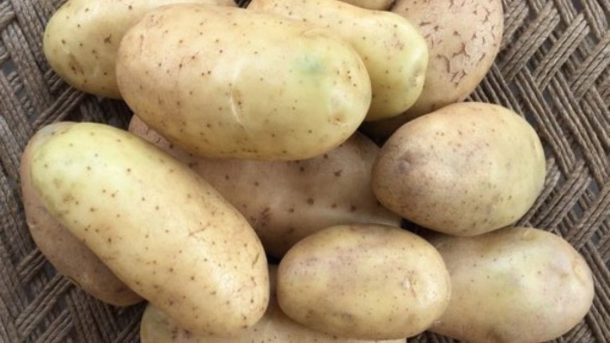
The variety is selection from the progeny of MP/90- 30 × MP/90-94. It produces attractive white-cream long oblong tubers with shallow eyes and white flesh. The variety produces nearly 30-35 t/ha tuber yield in rabi crop in plains of the country. It possesses very good field resistance against late blight disease and has reasonably good frost tolerance. It is a good keeper under country store conditions and possess longer tuber dormancy period of more than 8 weeks. It possesses high tuber dry matter (22%), low reducing sugars (30-80 mg/100 g fresh weight) and very good quality French fries can be prepared. The industrial testing has shown the superiority of this hybrid for French fry making in terms of taste, texture and colour.
What is Kufri Chipsona-1 and it belongs to which variety?
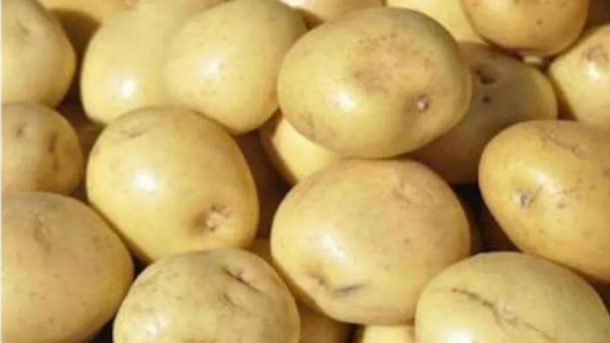
It is the variety belongs to potato. The variety is a selection from the progeny of the cross CP2416 × MS/78-79. The female parent CP2416 was the Mexican genotype MEX 750826, while the male parent MS/78-79 was from Indian potato breeding programme which involved Kufri Jyoti and EM/H-1601 in its parentage. The variety produces white-cream ovoid tuber with shallow eyes and white-cream flesh. The variety produces nearly 30-35 t/ha yield under north Indian plains of the country. Its dry matter content is 20-23% and reducing sugar content is 10-75 mg/100 g fresh weight. The variety yields processing grade tubers to the tune of 60-75%. The variety has good late blight resistance and is well adapted to Indo-Gangetic plains. The tubers possess excellent keeping quality. The variety is suitable for making chips, French fries and flakes.
How stem rot disease can be managed?
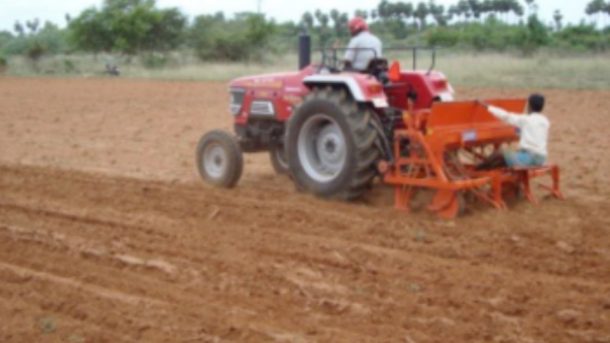
Deep ploughing in summer. Selection of healthy seed. Seed treatment with Tebuconazole 2ds @ 1g or mancozeb @ 3 g/kg of seed. Soil application before sowing with Trichoderma viride developed by mixing 225 kg farm yard manure +25 kg neem cake + 5 kg Trichoderma viride/ha and allow to grow for 15 days under shade. Gypsum application @ 500 kg/ ha. Timely management of foliar diseases leads to reduction of incidence of stem rot.
What are the symptoms of Stem rot diseases and when it occurs?
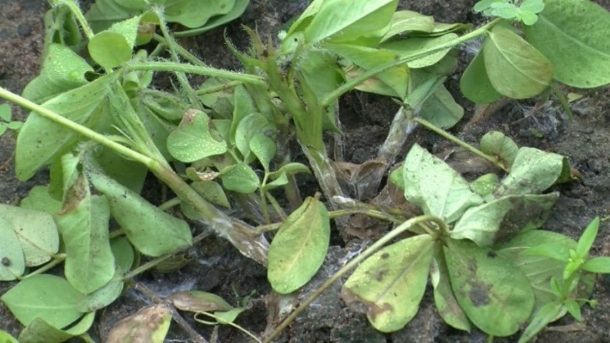
Appears generally after 70 days of sowing. Yellowing and wilting of branches just above the soil. White mycelium of the fungus develops around the affected stem above the soil level. Infection of pegs and pods occurs in severe cases and seeds turn to bluish colour.
How soil moisture conservation practices should be followed in rainfed groundnut crop?
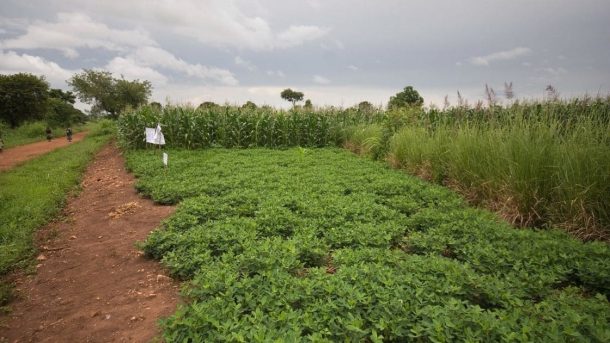
Apply 12.5 tonnes of groundnut shells per hectare at 15-20 DAS as mulch to reduce evaporation losses of soil moisture. To reduce transpiration losses from crop canopy, spray calcium sulphate solution (50 g/l). Spray urea solution (20 g/l) during dry spell period in order to make recover the crop from stress.