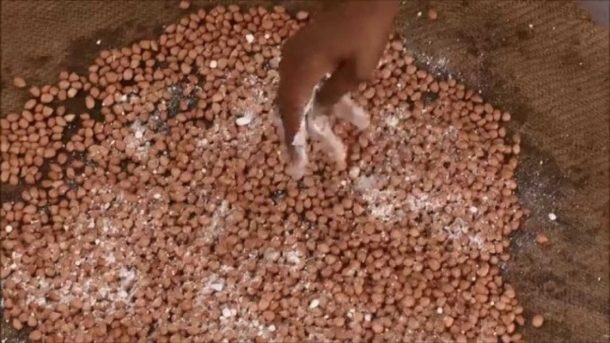
For control of seed borne diseases, treatment of groundnut seeds with Thiram (3 g/kg of seeds), Mancozeb (3 g/kg of seeds) or carbendazim (2 g/kg of seeds) is recommended. Thereafter, seeds should be inoculated with proper strain of Rhizobium culture particularly in those fields where groundnut is to be grown first time. Seed are treated with quinalphos 25 EC @ 25 ml or chlorpyriphos 20 EC @ 25 ml/kg of kernels for control of white grubs.
ScientificFarmingWeb
Which soil is suitable for groundnut cultivation?
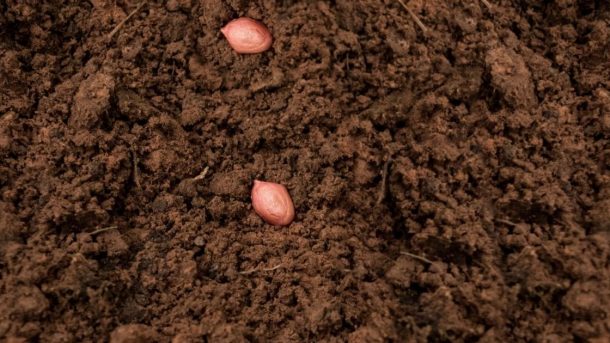
Groundnut does well in the well-drained, light textured, loose, friable and sandy and sandy loam soils which helps in easy penetration of pegs and their development and also harvesting. Clay or heavy soils are not suitable for this crop as they interfere in penetration of pegs and make harvesting quite difficult. Groundnut is sensitive to soil salinity. It gives good yields in the soil having the pH between 6.0 to 7.5, well supplies with calcium and a moderate amount of organic matter.
What is the climatic requirement for groundnut farming?
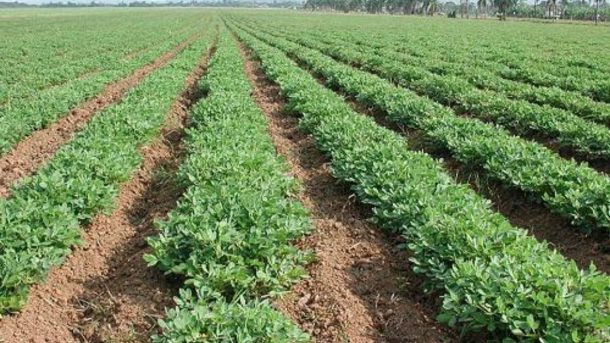
Groundnut is a tropical plant requires a long and warm growing season. It grows well in areas receiving 50 to 125 cm of well-distributed rainfall during growing season, abundance of sunshine and relatively warm temperature. Soil temperature is an important factor and its effects are critical on seed germination, emergence of seedlings, early plant growth, rate of flowering, and pod development. When soil temperature goes below 19°C, emergence of seedlings is low. The optimum temperature for vegetative growth of groundnut is ranging in between 26 to 30°C depending on the cultivar. Reproduction growth is maximum at 24-27°C. The maximum rate of growth of pods between 30 to 34 °C as it requires about a month of warm and dry weather. Light influences both photosynthesis and respiration in groundnut. The opening of flowers and number of flowers both depend on light.
When and how to harvest groundnut?
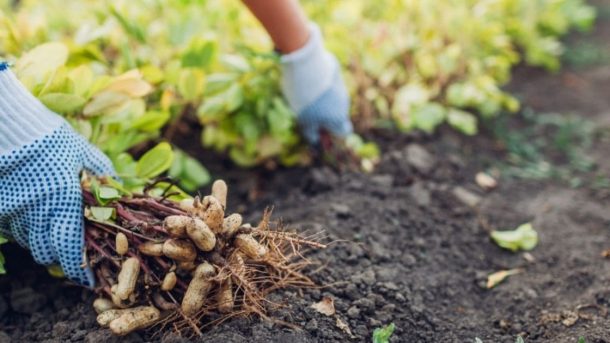
Optimum harvest time is determined by uprooting a few representative plants from different spots in the field around the expected time of maturity and checking the inner side of the pod shell, which shows black colour when mature. When 75-80% pods in case of Spanish/ Valencia cultivars and 70-75% pods in case of Virginia cultivars show internal pericarp darkening, the crop is ready for harvest. If sprouting of seeds is observed in Spanish/Valencia cultivars (due to rains at harvest time in cultivars lacking fresh seed dormancy), the crop should be harvested as soon as the conditions permit without waiting for 75-80% of pods to mature. Over maturity or delay in harvesting can result in greater pod loss in the soil and deterioration in pod quality.
Which sowing method is followed in Groundnut?
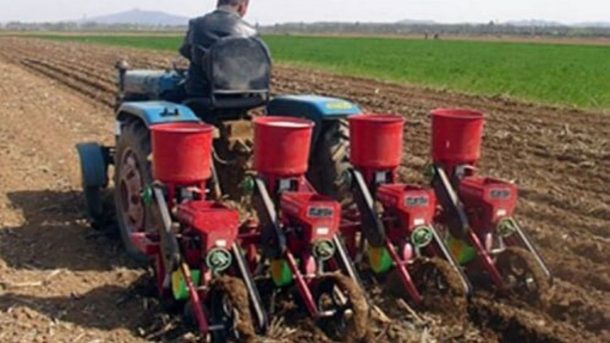
The use of seed drill (bullock-drawn or tractor-mounted) is recommended as it results in faster sowing, quicker emergence and uniform plant stand. There should be enough moisture in the soil before sowing to ensure quick and uniform germination. In case of dry sowing, irrigation should be provided soon after, preferably with sprinklers. Flood irrigation should be avoided.
When and how to harvest Black gram?
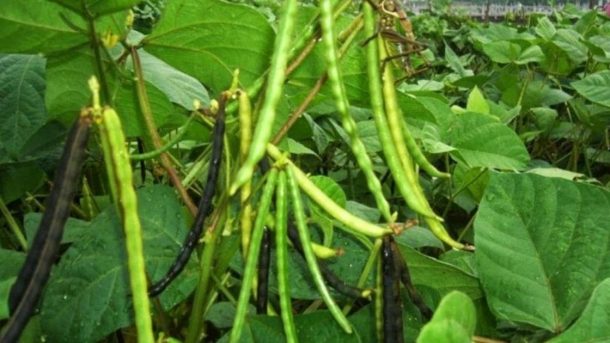
Black gram harvested when 70 to 80 % of pods matured and most of the pods turn black color. At the time of harvesting, at least 20 to 22% of moisture requires in Black gram cereal and harvest the Black gram pods when it is mature. Over maturity can result in the shattering of grains. The harvested crop must be dried on the threshing floor for few days and then threshed. The threshing process can be done manually or by trampling under the feet of bullocks. The clean seeds must be sun dried for 3 to 4 days to bring their moisture content at 8 to 10% to safely store in appropriate bins. Over maturity can result in the shattering of grains. When pods are dried completely then cereal is threshed from the pods by using a machine or manually.
What is the seed rate and seed requirement for black gram farming?
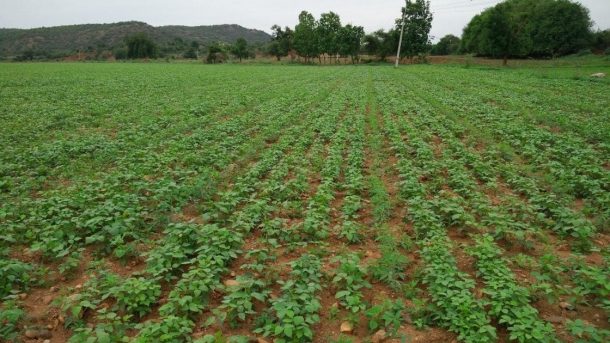
The seed rate mainly depends on the variety of the seed selected. Usually, an average of about 8 to 10 kg per acre is sufficient. Black gram seeds must be treated with seeds treating fungicide to reduce infection by fungal pathogens from the soil. The seeds are treated with Bavistin 2 grams for every kg of seeds. Organic fungicide like Trichoderma Viride is also available for pulses by 4 grams/kg.
When and how harvesting of plum is carried out?
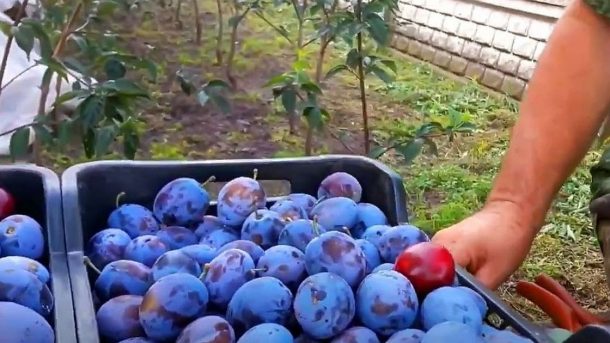
The plum fruits are mature when these have attained proper size and developed proper colour depending upon the cultivar. The plum fruits are harvested from second week of May in Punjab. For local marketing fruits should be harvested when ripe and firm. For distant markets, fruits are picked when firm but have developed 50% colour on the skin. Plum should be harvested along with pedicels avoiding any injury to the fruit.
Plum fruit is very perishable in nature, hence should be handled with care. The small baskets should be padded with rice trash or grass at the bottom and sides. Freshly harvested fruits are transferred in these baskets and covered with paper and tied in gunny cloth.
How flowering and fruiting occurs in Plum crop?
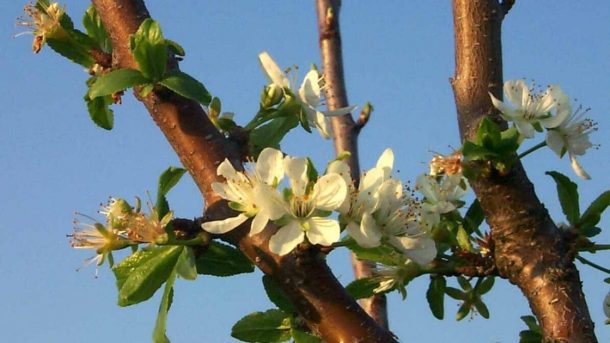
Flowering in plum cultivars usually take place in the second half of February in the north India plains. Plum flower profusely hence there are sufficient number of hermaphrodite flowers to set fruit. Usually there is very heavy fruit set in plums. However, it is cultivar dependent. For example, Kala Amritsar is heavy bearer but Alu Bokhara is shy bearer.
Plum follows a double sigmoid curve of fruit growth. Immature fruits are very acidic. As the fruit mature the acidity start decreasing and TSS goes on increasing. Simultaneously the skin colour specific of cultivar start developing.
How pruning is done in Plum cultivation?
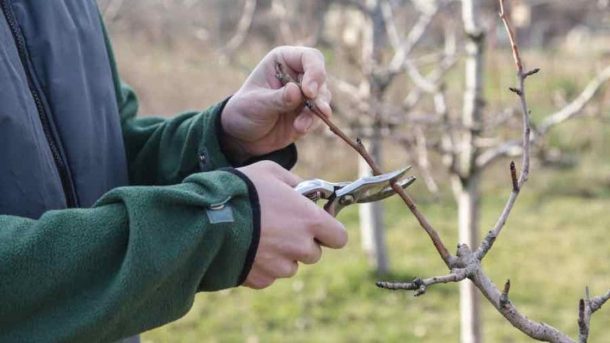
Plums bear on one year old shoots and short spurs depending upon the nature of cultivar. Normally no pruning may be given in the first year of bearing. Remove only criss- crossing shoots and water shoots. Do not to open the tree from inside in the first year of bearing. Remove only criss-crossing shoots and water shoots. Do not to open the tree from inside, let the thin branches have leaves which contribute toward the maturity of other shoots and spurs.
A little pruning to the out growing branches may be done in fifth year onward. The severity of pruning depends upon the planting distance. When plum is planted as filler in pear it may require early severe pruning due to lesser planting distance than in litchi and mango. The cuts may be treated with Bordeaux paste/paint.