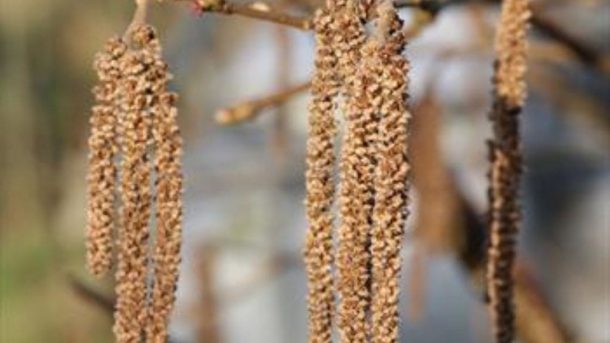
Hazelnut trees are wind pollinated. In cold weather during the flowering time can destroy flowers and reduce fruit set. The trees are in theory self-fertile meaning the pollen from the male flowers can pollinate and fertilize the female flowers on the same plant. Though the blossoming times of the male and female flowers on the same plant do not always coincide and for this reason, it is recommended to plant 2 or more different tree cultivars to increase the likelihood of pollination occurring. Some cultivars require pollinating partners so research your cultivars well. The pollen germinates as soon as it reaches a receptive flower but the fertilization does not take place for another 4 to 5 months in June.
ScientificFarmingWeb
Which soil is suitable for Hazelnut farming?
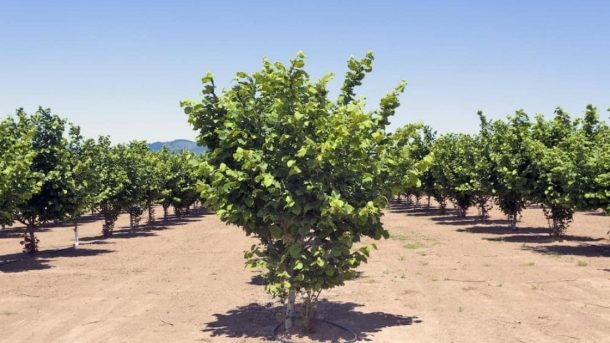
Shallow root but wet soil affects the Hazelnut cultivation to some extent. Hazels grew in pH levels ranging from 5.5 to 7.5, but better and more preferable is 7 for cultivation. Hazelnut trees can grow in most soil types, as long as its well draining. They don’t do well in boggy, water-logged areas, and they are best planted in light soil with a pH level of 5.5 to 7.5. Hazelnut trees tolerate a wide variety of soils from Calcareous to acid, loam to clay soils. It will not grow well in waterlogged and peaty soils. Shallow soils will restrict the tree growth and height of hazel.
What is the climatic requirement for Hazelnut farming?
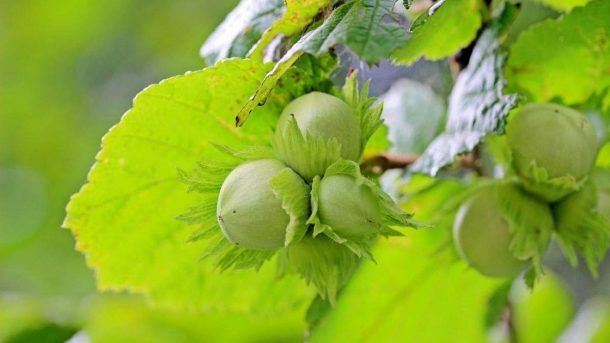
Under moderate climate, Hazelnut tree produces satisfactory crop along with the minimum temperature level of -10°C. therefore in a different region of India, Hazelnuts is grown in areas such as Jammu and Kashmir, Northern Easter Himalayan and Uttarakhand.
How weed management is done in mango orchard?
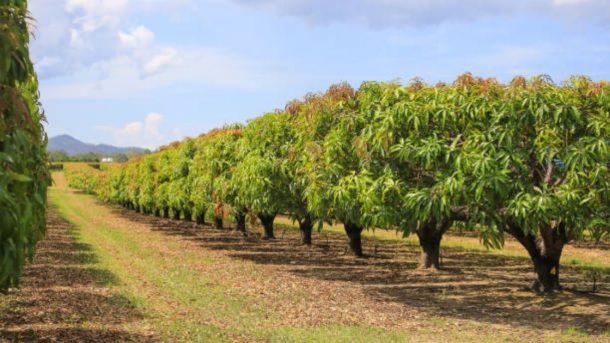
Immediately after planting the mango, the weed problem may not exist, but it is advisable to break the crust with hand hoe each time after 10-15 irrigations. However, subsequent hoeing may be done depending on weed growth in the basin.
Intercultural operations are equally important for the bearing mango orchards. First ploughing should be done before the onset of rains. This will help in checking run-off losses and facilitate maximum retention of water in the soil. Orchard may be ploughed again after the rainy season is over in order to suppress weed growth and to break capillaries. Third ploughing may be done in the last week of November or first week of December with a view to checking the population of mango mealy bugs.
How use of Plant Growth Regulators enhances yield?
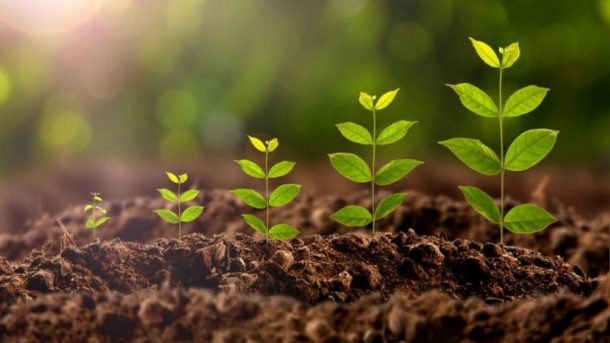
The application of ethrel 250 ppm increases the fruiting and yield. Exogenous application of silver thiosulphate 300-400 ppm induced the male flowers in gynoecious lines of muskmelon. These chemicals should be applied twice at two true-leaf stage and secondly at four true-leaf stage.
What is Arka Rajhans and it belongs to which variety?
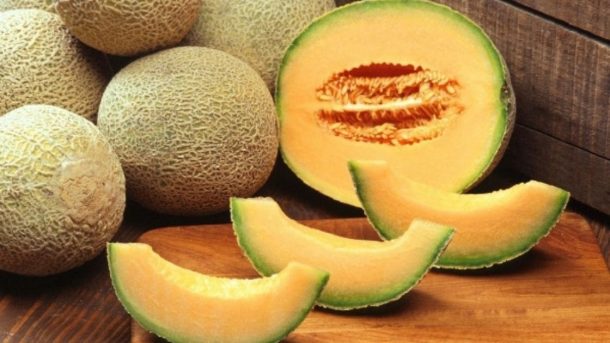
This is a variety of muskmelon which maturesearly and this variety is resistant to powdery mildew developed at Indian Institute of Horticultural Research, Bangalore through pure line selection from a local collection (IIHR-107) from Rajasthan bears round to slightly oval fruits with netted creamy white skin, white flesh and 11-14% TSS. It is good in keeping and transport qualities. Its average yield is 200-250 q/ha in crop duration of 85-90 days.
What is Kashi Madhu and it belongs to which variety?
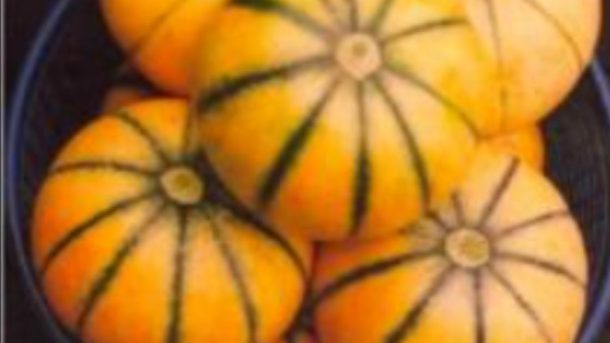
This is a variety of muskmelon tolerant to powdery and downy mildew developed at Indian Institute of Vegetable Research, Varanasi through a selection from local collection is medium in maturity. Plants have medium vine and sparsely lobed and dark green leaves. Fruits with average weight 700-750 g are round with open prominent green sutures, half-slip in nature, rind thin, smooth and pale yellow at maturity, flesh salmon orange (mango colour), thick, very juicy with 13-14% total soluble solids and seeds are loosely packed in the seed cavity. Post-harvest life is long with good transportability, and fruit yield is 200-270 q/ha.
Why sunscald occurs in muskmelon?
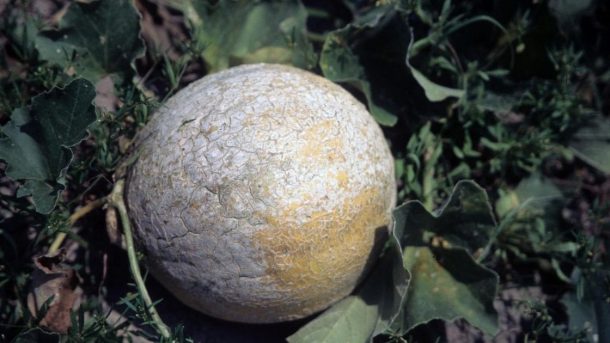
This disorder occurs mainly when the fruit is at ripening or after maturity stage. when they are exposed to extreme sunshine. Sunscald appears as white patches on parts of the fruits exposed to sun. The tissues are so severely damaged that the patches shrink and the surface dries out. The affected portion becomes soft and pulpy. Later fungi causing decay may invade the patches. To avoid sunscald injury, the weeds should not be removed from the field as they will produce shade and keep the fruits covered.
Why cracking of fruits occurs in muskmelon?
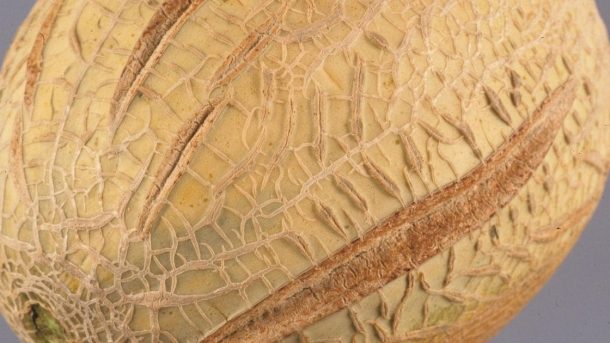
Cracking of fruit surface at stem end is a common occurrence in certain varieties and often results in great losses. Several environmental factors seem to be involved in the cracking of muskmelon fruits. It is very common especially when the rains follow a long dry spell and the temperature is relatively high. Water on the surface of fruit is more conductive for cracking than high soil moisture. Fruits exposed to sun have more cracking problem than those well covered beneath the foliage.
Why sudden wilt occurs in muskmelon?
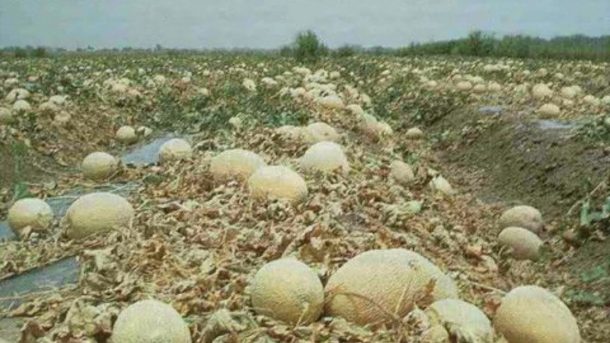
This disorder refers to sudden vine collapse or rapid wilting of vine soon as the fruits start to develop netting and the vines have covered the ground. The entire plants in the field may collapse within a couple of days and fail to recover. Enormous pathogens have been found associated with this disorder and may be the primary causes of the observed symptoms. Fusarium and Pithium fungi have been linked to this disorder.
Soil fumigation delays the development of such symptoms. Periods of cool and cloudy weather during growth of the plant followed by hot sunny conditions increase the incidence of this disorder.