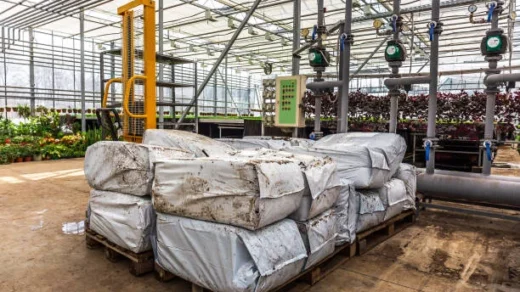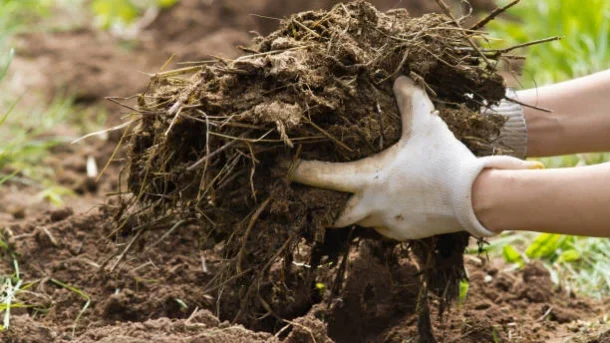
The following are some ways that biofertilizers can aid in soil reclaim:
Enrichment of nutrients: Biofertilizers, particularly those that fix nitrogen and break down phosphate, can help replenish vital nutrients in the soil. While phosphate-solubilizing bacteria solubilize bound phosphorus in the soil, making it accessible to reclaim plants, nitrogen-fixing bacteria transform atmospheric nitrogen into forms that are useful to plants. In locations where the soil has lost vital nutrients, nutrient enrichment is critical.
Decomposition of organic debris in the soil is aided by some biofertilizers, such as specific fungus and bacteria. The release of nutrients from organic material during the decomposition process increases soil fertility.
Improved soil structure is made possible by biofertilizers and the organic matter they contribute. This improves water infiltration and retention, which lowers the danger of erosion and makes it easier for plants to get water and nutrients.
Enhanced microbial activity: Beneficial microorganisms included in biofertilizers help to increase microbial activity in the soil. This may result in better nutrient cycling and greater nutrient availability for plants.
Restoring soil biodiversity is a common step in the process of reclaiming degraded soils. By introducing advantageous microorganisms that can settle and flourish in the soil and support a more balanced and healthy ecosystem, biofertilizers can aid in this process.