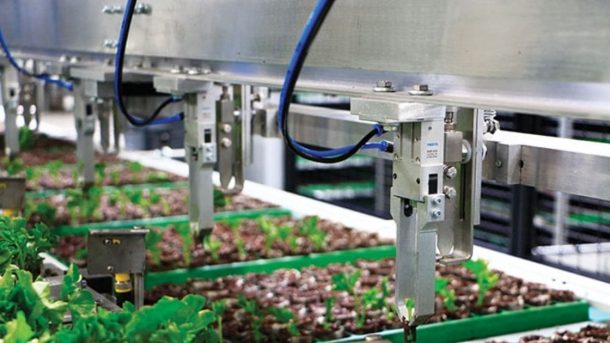
Seedling Transplanting, which is a labour-intensive task, is still performed manually. In a greenhouse production system, seeds are germinated in the high-density trays. At a certain growth stage, the seedlings are transplanted into low-density growing trays for further growth and development. During transplantation, seedlings are handled many times to replace bad or missing plants with healthy ones. Using a robotic transplanter could reduce the labour requirement of seedling transplantation by carrying out repetitive tasks in an accurate and reliable manner. The robotic transplanter needs to be designed differently from an industrial robot because it manipulates biological seedlings of variable size, shape, colour, position and orientation.
Advanced agriculture
How Robots are used for seed sowing in nursery?
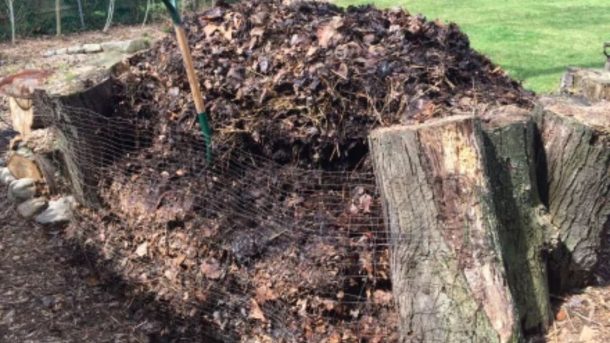
A major portion of the area under vegetable cultivation is now sown with F1 hybrid seed, which are costly but give higher yields and quality produce. In view of the high cost of seeds, it is necessary to achieve maximum germination and disease-free seedlings for transplanting in open fields. The raising of seedlings in plug trays (or pro-trays) is one such technology that achieves this requirement. This technology is fast emerging as an agro enterprise in India since it has obvious advantages for both the grower and the entrepreneur.
A precision plug tray seeder, using indigenous materials and off-the-shelf available standard components is designed at IARI. The seeder could make indents in one row of cells in a plug tray and simultaneously place single seeds in the indented cells. The seeder worked satisfactorily at suction pressures of 4.91 and 3.92 kPa and nozzle diameters of 0.46 and 0.49mm to achieve more than 90% single seed sowing in the case of capsicum and tomato, respectively. The capacity of seeder, depending on the tray size used, ranged 38,000 to 60,000 cells/h.
What is the Polyhouse requirement for Carnation Flower Growing?
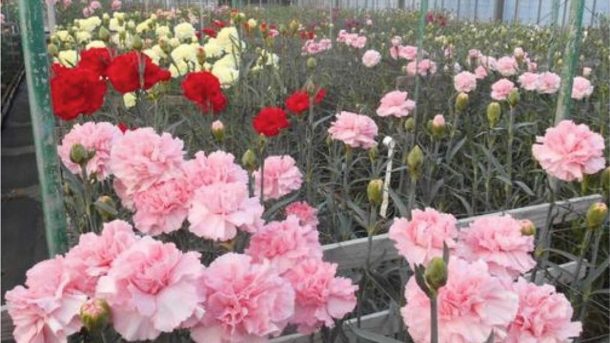
If you are growing carnations under a protected environment for good quality, the Polyhouse/greenhouse construction should be kept as simple as possible by meeting required conditions for the right climate. The plastic greenhouse should be constructed to have 3 to 4 m3 of airspace per m2 of the floor surface. This should be equal to a gutter height of 2.5 meters to 3.5 meters as a minimum. Avoid too low greenhouse constructions as there will be high air humidity and high temperature. Don’t construct too large Polyhouse/greenhouse under one roof as this crop requires good sunlight (ventilation) and climate control. The roofing material could be Low-Density Polyethylene and should be replaced once in 3 years.
How to irrigate via smartphone?
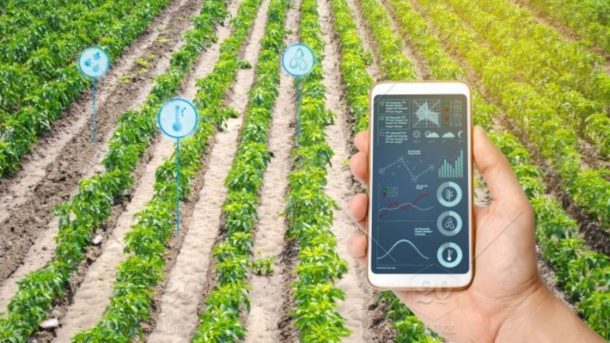
Mobile technology is playing the main role in monitoring and controlling crop irrigation systems. With the right equipment, a farmer can control irrigation systems from a phone or computer instead of driving each field. Moisture sensors in the ground can communicate information about the moisture level present at certain depths in the soil. This increased flexibility allows for more precise control of water and other inputs such as fertilizer that are applied by irrigation pivots.
What is RFID Technology?
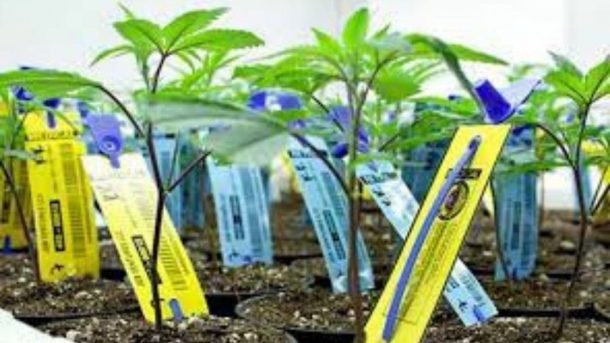
Radio Frequency Identification technology mainly identifies an object by radio frequency without any contact. It has been successfully applied in many industries such as supply chain management, retail management, logistic management and more. RFID technology constitutes a farm monitoring system whereby farmers can now protect their crops from pests and live stock such as cattle can be monitored using wireless sensor network. Similarly, livestock management has already made many strides by using RFID systems to help with remote monitoring of animals using dedicated hardware systems and software systems. The RFID technology has already been used for years in some aspects of the agriculture industry.
How satellite image is useful for Agriculture?
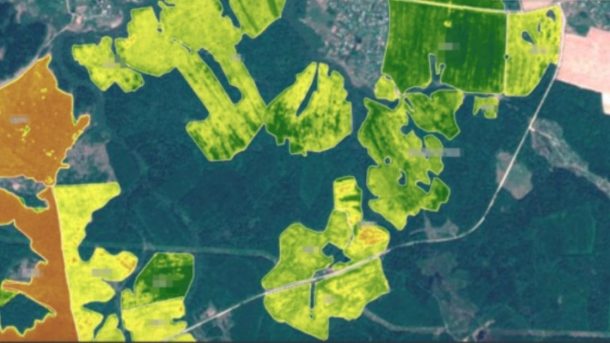
Satellite images can be used for various types of information such as road networks, weather changes, a behavior of oceans etc. But this technology is used to keep an eye on crops without being present on the farm and this saves a considerable amount of money and time.
How does Conservation agriculture differ from climate smart agriculture?
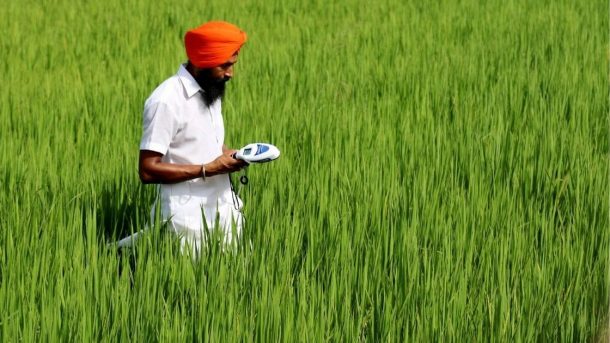
Both conservation and climate smart agriculture are similar, their purposes are different. These agriculture systems aim to have a positive effect on the environment and sustainably intensify small holder farming systems. It helps farmers to adapt to and increase crop yields despite climate risks.
Climate smart agriculture aims to adapt to and mitigate the effects of climate conditions change by sequestering soil carbon and reducing greenhouse gas emissions, and finally increase productivity and profitability of farming systems to ensure farmers livelihoods in a changing climate. Conservation agriculture can be considered climate smart as they deliver on the objectives of climate smart agriculture.
What is the fish to plant ratio in Aquaponics?
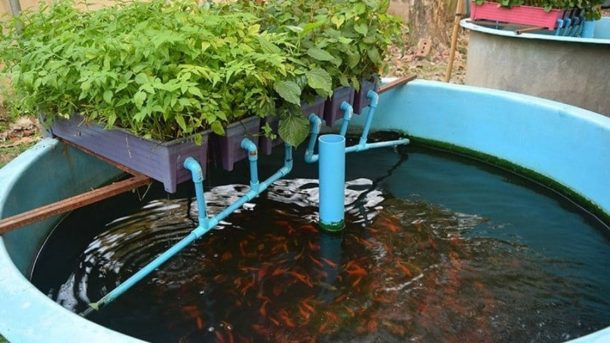
Generally, the fish to plant ratio defines the feeding rate ratio of the fish so as to supply enough nutrients to the plants in the hydroponic system. It is estimated that to develop a hydroponic area of 16.7 Sq. m, the fish should be fed with 1000g of feed each day so that the feeding rate ratio is 60 g/sq.mt/day. The feeding rate ratio depends on multiple factors like the hydroponic system, plants behind cultivated, chemical composition of water, solid waste loss of filtration etc.
What is the main principle of NFT hydroponic system?
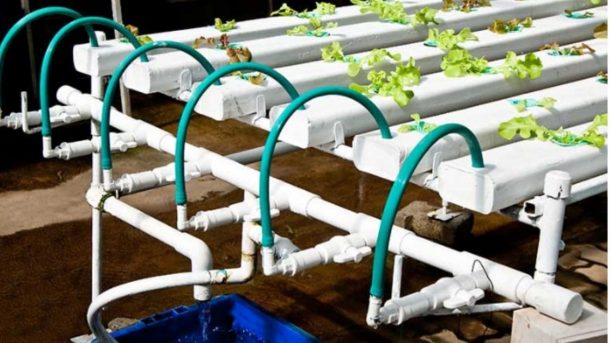
The principle of the NFT is by which nutrient solutions are recirculated for crop production. The system is widely adjusted for a variety of crop production and ideal for short term crops such as lettuce, leafy crops and herbs. Larger NFT systems are adaptive for long term crop production for example cucumber and tomatoes. This makes hydroponics economically attractive and with such outstanding advantages it is ideal for protection of degradation of natural resources this makes the culture efficient to countries.
Why is it important to monitor crops?
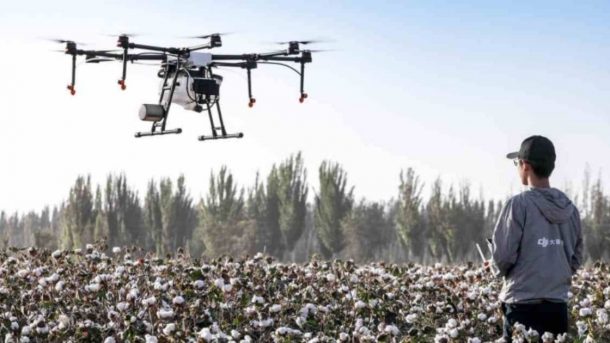
The crop monitoring technology not only prevents the production and spread of pests but also guarantees that diseases and weeds that are prone to appear are kept under control without causing the much damage to the product.
When it comes to monitoring fruit crops like apples and pears applying for an integrated pest management program, it is recommended not only to monitor trees, but also the weather conditions in the area that affects.