Agricultural market

What are the challenges in achieving sustainable agricultural intensification?

intensification

To achieve sustainable agricultural intensification, agricultural productivity must be raised while adverse environmental and social effects are reduced. Although the idea has many advantages, there are a number of obstacles that need to be overcome before it can be successfully implemented. Among the principal difficulties are:

Environmental Degradation: Unsustainable intensification techniques include excessive pesticide, water, and monoculture use can result in soil erosion, water pollution, and biodiversity loss.

Climate Change: Sustainable intensification faces considerable obstacles from climate change. Agronomic systems can be disrupted and productivity decreased by erratic weather patterns, extreme weather events like droughts and floods, and rising temperatures.

Water scarcity is a major barrier to the expansion of agriculture in many areas. Increased water demands may result in excessive groundwater extraction and resource depletion, which could harm ecosystems and rural populations.

Ecosystem services that are crucial for agriculture, such as pollination and pest control, may be reduced as a result of intensification methods that threaten natural ecosystems.

Social and Equity Issues: Smallholder farmers may not receive an equitable share of the advantages of intensifications, which could result in social inequities and marginalization.

Market Access and Prices: As production rises as a result of intensification, farmers may experience price swings and difficulties accessing the market.

How does the availability of irrigation infrastructure impact agricultural productivity?

infrastructure

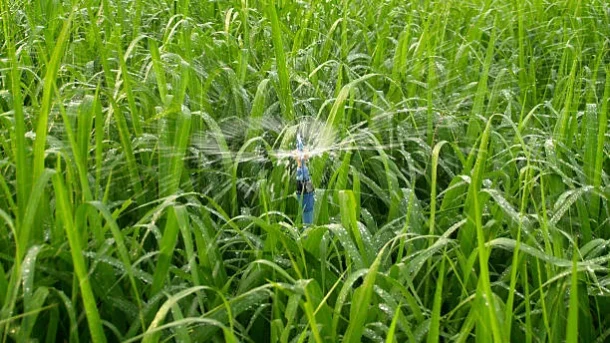
Especially in areas with irregular or insufficient rainfall, the presence of irrigation infrastructure can have a substantial impact on agricultural productivity. For a reliable and sufficient water supply to promote plant growth, irrigation entails the artificial application of water to crops. The following are some ways that irrigation infrastructure accessibility affects agricultural productivity:

Irrigation provides crops with a steady and dependable water supply, regardless of the natural patterns of rainfall. This enables farmers to keep the soil at the ideal level of moisture, ensuring that crops have access to water when they require it. This can increase yields and lessen crop losses as a result of drought.

Farmers can extend the growing seasons with irrigation beyond the restrictions imposed by natural rainfall. This increases total agricultural output by enabling numerous cropping cycles or the cultivation of crops that need longer growing seasons.

Crop Diversification: Irrigation makes it possible to grow a variety of crops, even ones that are incompatible with agriculture reliant on rain. By lowering reliance on a small number of rain-fed crops, this encourages crop variety and improves food security.

Increased Crop Yields: Proper irrigation ensures that crops receive the nutrients they need for optimum growth. This may result in increased agricultural yields and better crop quality.

What are the opportunities for agricultural startups in the market?

startups

Startups in the agricultural sector have a great chance to improve the market and solve numerous problems the sector is now facing. Agricultural startups can take advantage of the following opportunities as the agriculture industry develops and adopts new technologies and methods:

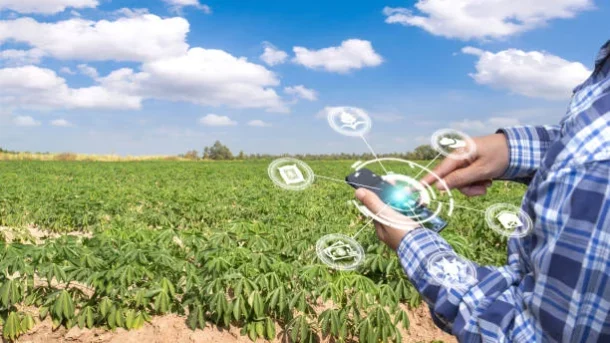
Precision Agriculture technology: To help farmers better utilize resources, boost productivity, and cut costs, startups can create and offer precision agriculture technology like IoT sensors, drones, and AI-powered analytics.

Startup can provide smart farming solutions that use automated systems, remote monitoring, and data-driven decision-making to enhance overall farm management and productivity.

Innovations in Sustainable Agriculture: There is a rising demand for sustainable agricultural methods. Startups can concentrate on creating technology and goods that improve soil health, use less water, use fewer chemicals, and increase biodiversity.

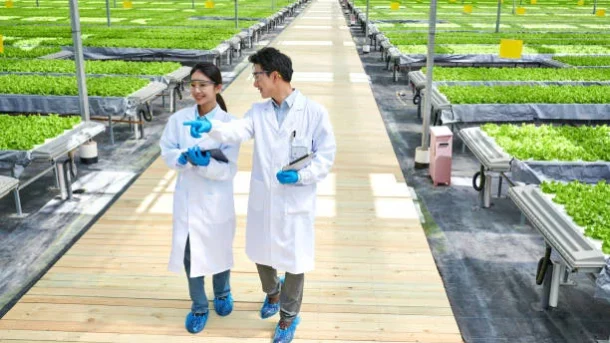
Urbanization and the scarcity of arable land are the main factors driving demand for vertical farming and controlled environment agriculture. Startups can experiment with cutting-edge hydroponic, aeroponic, or aquaponic techniques to grow food indoors or vertically.

Agtech and Farm Management Software: Agricultural entrepreneurs can develop agtech platforms and farm management software that help farmers organize their activities, track their data, and access insightful information to make better decisions.

How are agricultural commodity prices affected by currency devaluation?

prices

Prices of agricultural commodities can be significantly impacted by currency devaluation on both the domestic market and the global market. Currency devaluation is the deliberate decrease in the value of a nation’s currency in comparison to other currencies. Here is how currency devaluation affects the price of agricultural commodities:

Export Competitivity: A country’s exports are more competitive on the global market when its home currency is weaker. When represented in their stronger currencies, agricultural goods produced in the devaluing nation are relatively more affordable for overseas customers. Increased export volumes and more demand for the nation’s agricultural products may result from this.

Costs of Imports: When a country’s currency is devalued, imports become more expensive for that nation. Importing agricultural inputs including machinery, insecticides, and fertilizer may become more expensive as a result. This might result in greater production costs for home farmers and possibly higher prices for domestic goods.

Devaluations of currencies might result in inflation in the nation that is depreciating them. Increased import expenses might result in higher consumer prices, which includes food expenditures. A price increase in agricultural commodities could affect both consumers and food processors because they are necessary parts of the food supply.

Foreign Debt: For nations with sizable debt in foreign currencies, currency devaluation may raise the cost of debt servicing. Higher debt payment expenses could strain the government’s finances and possibly have an impact on agriculture subsidies or other government programs.

What are the potential impacts of artificial intelligence on the agricultural market?

artificial intelligence

By bringing novel solutions that enhance production, efficiency, and sustainability, artificial intelligence (AI) has the potential to completely transform the agricultural sector. A few possible effects of AI on the agriculture market are listed below:

Precision farming uses AI-powered tools to offer real-time information on crop health, soil conditions, and weather patterns. These tools include drones, satellite photography, and remote sensing. With the help of this information, farmers can utilize precision farming techniques to boost crop yields and optimize resource consumption, such as the targeted application of pesticides and fertilizers.

Crop Management: AI algorithms can evaluate massive volumes of data from sensors and IoT devices to track crop growth, identify diseases, and anticipate pest infestations. Crop losses can be avoided, and total farm output can be raised, with the help of early identification and management.

Automated equipment and robotics: AI can facilitate the creation of self-driving equipment and robots that can do a variety of agricultural jobs, such as planting, harvesting, and weeding. Automation can save labor expenses and help with the agricultural labor crisis.

Climate Prediction and Adaptation: In order to make more precise predictions of climate trends, Artificial Intelligence can examine historical weather data and climate models. With the aid of this knowledge, farmers can modify their methods in response to varying weather patterns and lessen the negative effects of climate change on agriculture.

How does the adoption of precision agriculture technologies affect farm profitability?

precision agriculture

By enhancing productivity, lowering input costs, maximizing resource utilization, and raising yields, the adoption of precision agriculture technologies can have a substantial beneficial influence on farm profitability. Using cutting-edge technology, data analytics, and real-time monitoring, precision agriculture enables knowledgeable and site-specific decisions to be made about farming operations. The following are some ways that implementing precision agricultural technologies can raise farm profitability:

Optimum Resource Use: Precision agricultural technology allow farmers to apply inputs like water, herbicides, and fertilizers precisely where they are needed. Farmers can limit waste and lower input costs, which will result in cost savings and enhanced profitability, by using these resources only where and when necessary.

Increased Yield: Through the use of precision agriculture, farmers can recognize variability in their fields and adjust their management strategies as necessary. This focused strategy can boost crop health and production, resulting in greater yields and more substantial profits.

Reduced Environmental Impact: Precision agriculture can support environmental sustainability by maximizing input utilization and minimizing chemical application. The reputation of the farm and its goods can thus be enhanced, which may result in premium pricing and competitive advantages in the market.

Real-time monitoring: Farmers may access real-time information on crop health, soil conditions, and weather thanks to precision agricultural tools. With the aid of this information, farmers are able to react quickly to shifting environmental factors, avoiding or minimizing potential problems that can adversely affect yields and profitability.

What are the prospects for agricultural market development in Asia?

agricultural market

The prospects for the expansion of the agricultural market in Asia were generally favorable as of my most recent knowledge update in September 2021, but there are a number of obstacles and chances. It’s important to remember that the situation may have changed since then, and particular events may have taken place in various Asian nations. Here are some significant factors affecting Asian agricultural market development prospects:

Rising Population and Urbanization: The world’s most populous nations are found in Asia. Urbanization and population growth are pushing up demand for food and agricultural goods, opening up prospects for the agricultural sector to flourish.

Dietary Preferences: There is a movement in dietary preferences towards higher-value and protein-rich foods, particularly meat and dairy products, as wages rise and lifestyles change.

Technology Adoption: A number of Asian nations are making investments in agricultural technologies and innovations, including biotechnology, digital farming, and precision agriculture. Adopting modern farming methods can boost the industry’s productivity and effectiveness.

Expanding Export Possibilities: Asia is becoming a more significant player in the world’s agricultural trade as its exports of agricultural products have been rising. Opportunities for exporting are expanding, which could lead to economic expansion and money generating.

Practices of Sustainable Agriculture: The region is adopting sustainable agriculture methods as a result of worries about the region’s environmental stability and the effects of climate change. The competitiveness of Asian agricultural products on the global market can be increased by using sustainable techniques, which can also open up new markets.

How does the agricultural market interact with other sectors, such as food processing and retail?

food processing

Within the larger food supply chain, the agriculture market has close relationships with other industries, such as food processing and retail. The production, transformation, and distribution of agricultural products to consumers all depend on this interwoven interdependence. The agricultural market interacts with other sectors in the following ways:

Food processing: The agricultural market provides the food processing industry with raw agricultural products such cereals, fruits, vegetables, cattle, and other produce. These basic materials are converted into processed, value-added food items by food processing businesses. This covers processes including grinding, canning, freezing, packaging, and food preservation.

Distribution and Supply Chain: The food supply chain begins in the agricultural market. After being harvested or produced, agricultural products pass via a number of distribution channels, including wholesalers, distributors, and logistics companies, before being processed or sold by food processors and retailers.

Following the foods processing stage, agricultural goods are packed and delivered to retail establishments including supermarkets, grocers, and specialized food stores for consumer sales. Consumers can acquire these things through retailers.

Price negotiations: Agricultural producers bargain with retailers and food processors on the costs of their goods. Quality standards, market conditions, and supply and demand may all have an impact on these conversations.

Consumer Demand and Trends: The agriculture industry adapts to changes in consumer demand and trends.

What is the role of commodity price speculation in the agricultural market?

commodity price

In the agricultural market, commodity price speculation has a big impact on price changes and market dynamics. Aiming to profit from price swings, purchasing and selling commodities, notably agricultural products, is referred to as commodity price speculation. Without having a direct stake in the physical possession or consumption of the commodities they trade, speculators engage in market activity. In the agricultural market, commodity price speculation plays the following crucial roles:

Price Discovery and Liquidity: Speculators regularly buy and sell contracts on the agricultural market to increase liquidity, which improves price discovery. Due to their active participation in the market, there are always willing buyers and sellers, which promotes price transparency.

Market Efficiency: By reducing price spreads and promoting information exchange, commodity price speculation can improve market performance. Trading decisions made by speculators take into account the information that is readily available, such as supply and demand statistics and weather forecasts, which helps prices reflect the actual market conditions.

Risk management: In the agricultural market, speculators play a crucial role in risk management. Hedgers that want to lock in prices and lessen their exposure to price volatility include farmers and agribusinesses. In these hedging transactions, speculators take the opposing position and assume the risk that the hedgers want to transfer.

Price volatility: Although speculators help the market function efficiently, their trading activities might temporarily raise price volatility. Large speculative positions or abrupt changes in attitude may have these effects.

How are trade agreements influencing agricultural market access?

trade agreements

By setting guidelines and lowering barriers to international trade in agricultural goods, trade agreements have a substantial impact on access to the agricultural market. These arrangements, which can be bilateral or multilateral, attempt to make it easier for commodities and services to move across national borders. The following are some ways that trade agreements are affecting access to the agricultural market:

Trade agreements frequently call for the reduction or abolition of tariffs on agricultural products between the participating nations. Lower tariffs boost agricultural products’ ability to compete on international markets and provide exporters better access to such markets.

Certain agricultural products are subject to special import quotas under some trade agreements. Quotas permit the importation of a certain amount of a commodity at a lower or no tariff rate, thereby encouraging within the quota limits.

Measures for sanitary and phytosanitary (SPS) purposes: SPS measures, which are rules pertaining to food safety, animal and plant health standards, are covered by trade agreements. These agreements are designed to standardize standards, lower trade obstacles, and ease exports of agricultural goods.

Trades agreements address technical trade barriers (TBTs), which are non-tariff restrictions pertaining to product standards, testing, and certification. Technical regulation harmonization can increase agricultural products’ access to markets.

Geographical Indications (GI): Some trade agreements safeguard geographical indications, marks that show products are made in particular places and have particular qualities. GI safeguards can improve market access for agricultural goods with certain characteristics of geographical origin.