Agricultural schemes

How are governments and organizations supporting agricultural research and innovation?

governments

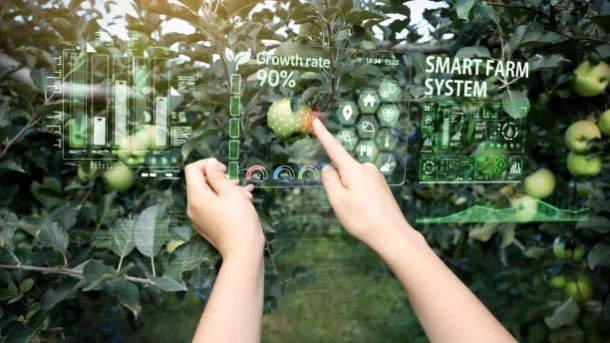
Research Funding: Through public research institutions, universities, and research grants, governments subsidize agricultural research and innovation. These subsidies support research initiatives, the purchase of equipment, the development of infrastructure, and the capacity-building of scientists and researchers. Aside from that, organizations and charities frequently offer financial aid and grants for agricultural research, particularly in fields connected to sustainable agriculture, climate change adaptation, and food security.

Support for Policy and Regulation: Governments create policies and rules to encourage agricultural research and innovation. This entails fostering an environment that is conducive to innovation in agriculture, intellectual property protection, technological transfer, and research and development. Policies that are clear and encouraging encourage research investment and promote cooperation between scientists, business, and farmers.

Collaboration and partnerships in research are facilitated by governments and organizations working with academic institutions, farmers, businesses in the private sector, and other stakeholders. Platforms for collaborative research foster knowledge, resources, and expertise sharing, which produces more productive and significant research results. Public-private collaborations are frequently formed to take use of each sector’s advantages and spur innovation.

What are the efforts to promote sustainable land use and ecosystem conservation?

ecosystem

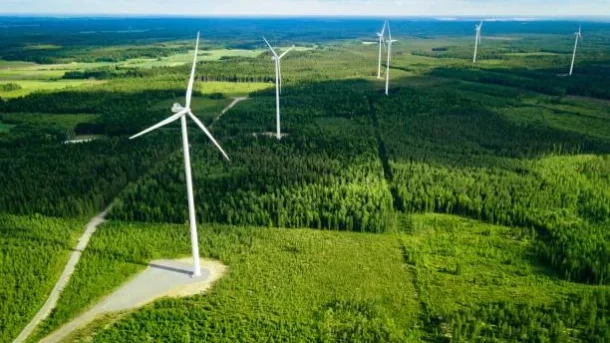
International Accords and Conventions: International pacts like the UN Convention on Biological Diversity (CBD) and the UN Framework Convention on Climate Change (UNFCCC) are essential for advancing ecological preservation and sustainable land use. For governments to protect and restore ecosystem, preserve biodiversity, and lower greenhouse gas emissions from land-use changes, these accords set goals and frameworks.

Protected Areas and National Parks: It is commonly accepted that the best way to preserve ecosystem and biodiversity is to create and extend protected areas and national parks. These places protect vital habitats, provide refuge for extinct species, and aid in scientific and educational endeavors. To construct and manage protected areas, governments, nongovernmental organizations, and international organizations collaborate.

Balance between the economic, social, and ecological elements of using forests is the goal of sustainable forest management techniques. This entails obtaining both timber and non-timber forest products while promoting reforestation, halting deforestation, and safeguarding biodiversity. Responsible forest management is encouraged by certification schemes like the Forest Stewardship Council (FSC).

Reforestation vs afforestation: Reforestation is the practice of replanting trees in previously deforested areas, whilst afforestation is the practice of planting trees in places that have never been covered by forests. These programs aid in stopping deforestation, boosting carbon sequestration, and restoring ecosystems.

What are the current debates on agricultural subsidies and market distortions?

agricultural subsidies

Policymakers, economists, and stakeholders in the agriculture sector are always debating and conversing about agricultural subsidies and market distortions. The following are some of the main arguments over agricultural subsidy and market distortions:

Trade distortions: The potential for agricultural subsidies to distort international agricultural markets is one of the main issues associated with them. The competitiveness of farmers in developing nations, who cannot match the subsidies provided by affluent countries, is harmed by subsidies since they can result in overproduction and the dumping of subsidized products in international markets. In international trade discussions, such as those conducted by the World Trade Organization (WTO), this subject has been a major source of dispute.

Effects on Domestic Markets: Agricultural subsidies can have a big impact on domestic markets, impacting prices, output levels, and the ability of domestic farmers to compete internationally. Supporters contend that subsidies are essential to protect rural livelihoods, stabilize prices, and guarantee food security. Subsidies, according to their detractors, can cause inefficiencies, overproduction, and a fictitious distortion of resource allocation, which could hurt small-scale farmers and put more of a financial strain on taxpayers.

Environmental Impacts: Agricultural subsidies may have an impact on how land is used and how food is produced, which may have an impact on the environment. Some subsidies, critics claim, especially those linked to input usage or output levels, may encourage unsustainable agricultural practices, such as excessive use of pesticides and fertilizers, deforestation, and overuse of water sources.

How is the use of renewable energy being promoted in agricultural operations?

renewable

Through a number of projects and policies aimed at lowering greenhouse gas emissions, enhancing energy efficiency, and achieving sustainable agricultural practices, the use of renewable energy in agricultural operations is being promoted. The following are some significant ways that agriculture is promoting renewable energy:

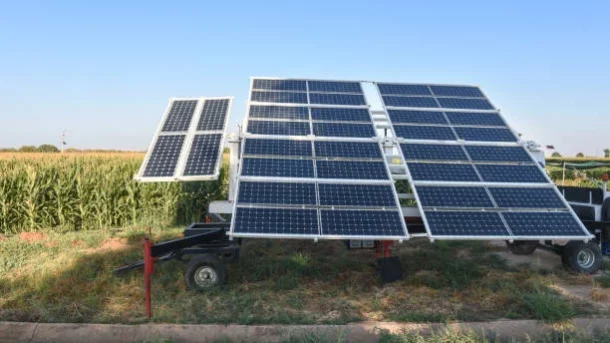
One of the most extensively used renewable energy sources in agriculture is solar power. On farms, photovoltaic (PV) systems or solar panels are used to generate electricity for a variety of uses, including running agricultural equipment, lighting, ventilation, and irrigation systems. Governments and other organizations encourage farmers to embrace solar energy technology and make investments in on-farm solar installations by offering incentives, grants, and subsidies.

Biomass and bioenergy: Through procedures like anaerobic digestion, gasification, or direct combustion, biomass—such as crop leftovers, animal dung, and crops grown specifically for bioenergy—can be transformed into bioenergy. The biogas created by anaerobic digestion can be utilized to provide biofuels for farm equipment as well as energy and heat. Farm buildings and greenhouses can be heated using biomass boilers and biomass-based heating systems.

Geothermal Energy: Geothermal energy makes use of the heat that is trapped beneath the surface of the Earth. Geothermal systems can be used to dry agricultural products and provide warmth and cooling for greenhouses and farm buildings. Geothermal heat pumps use less energy than conventional heating and cooling systems, which can result in significant energy savings.

How are governments and organizations supporting agribusiness development and entrepreneurship?

agribusiness development

Governments and organizations encourage the growth of agriculture and entrepreneurship by offering a variety of services, funding, education, and regulatory frameworks. agribusiness development growth is frequently aided by governments and organizations in the following ways:

Access to Finance: Through loans, grants, subsidies, and investment programmes, governments and organizations support agribusinesses financially. These money can be applied to other company requirements as well as infrastructure expansion, technology adoption, working capital, and equipment purchases. Agricultural-focused credit products may also be offered by financial institutions.

Training and capacity building programmes are carried out to improve the technical and entrepreneurial abilities of agribusiness development owners and employees. Training programmes encompass topics like value chain management, marketing, and financial planning.

Market Access and Linkages: By building platforms and networks that link producers with consumers, processors, retailers, and export markets, governments and organizations help agribusiness development get access to markets. This involves setting up trade shows, creating market information systems, fostering market connections, and offering help for adhering to quality and food safety regulations for both domestic and foreign markets.

Supporting Policies and Regulatory Frameworks: Governments create supporting policies and regulatory frameworks that foster the growth of the agriculture sector. Land tenure, property rights, intellectual property, trade facilitation, tax incentives, investment promotion, and agricultural subsidies are some of the topics covered by these policies. Uncertainty is reduced and agribusiness investment is encouraged by clear and consistent policies.

How are agricultural startups and ag-tech companies driving innovation in the sector?

agricultural startups

Access and Equity: In some areas, especially in rural areas or developing countries, access to high-quality agricultural education, agricultural startups and training may be restricted. The accessibility of educational opportunities may be hampered by a lack of financing, facilities, and resources. To encourage inclusivity and give chances for ambitious farmers and agricultural professionals from various backgrounds, it is essential to ensure fair access to agricultural education.

The increased adoption of technology in agriculture necessitates a workforce with the technical know-how to run and manage sophisticated farming systems. A difficulty in agricultural education, agricultural startups and training is bridging the technical skills gap and making sure that farmers and agricultural professionals are adept at using digital tools, data analysis, precision equipment, and other developing technology.

Changing Perceptions: Young people’s perceptions of agriculture as an antiquated or unattractive career path must be changed. To draw in fresh talent, agriculture education, agricultural startups and training programmes must emphasize the sector’s contemporary, diversified, and creative features. Promoting sustainability, entrepreneurship, and the possibility of influential jobs in agriculture might help alter attitudes and motivate more young people to seek agricultural careers.

What are the current debates on agricultural subsidies and trade protectionism?

agricultural subsidies

Environmental Impact: Some agricultural subsidies may encourage actions that are bad for the environment, like excessive use of water, pesticides, and fertilizers. According to detractors, it could be more advantageous for long-term sustainability to redirect subsidies towards conservation efforts, environmental preservation, and sustainable farming methods.

Agricultural subsidies may result in trade disagreements and international hostilities. Subsidies, particularly in affluent nations, are criticised for undercutting agricultural producers in developing countries and making it difficult for them to compete on the global market. This worsens trade imbalances and may obstruct the growth of the agriculture industries in developing countries.

Protecting domestic agricultural firms from unfair competition, especially when dealing with imports that are too subsidised or produced to lower standards, is crucial, according to supporters of trade protectionism. They argue that barriers such as tariffs or import limits can defend domestic farmers and uphold the nation’s food security.

Market Errors: Trade protectionist policies, in the opinion of their critics, have the potential to distort markets and hinder the efficiency gains that can be achieved through specialization and comparative advantage. Protectionist measures might artificially drive up costs, limit consumer choices, and make it more challenging for farmers to export their goods, all of which would hamper the growth of the world economy.

How are governments and organizations addressing food waste and loss?

organizations

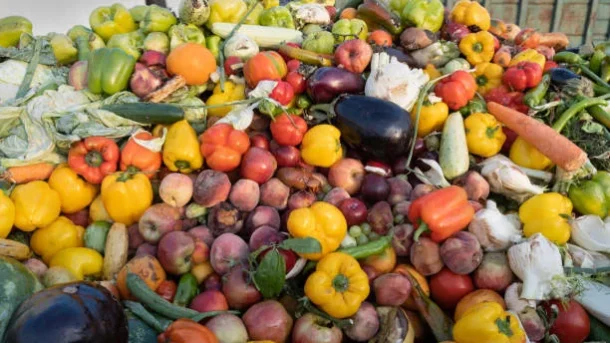
Through a variety of initiatives and tactics, governments and organizations from all over the world are actively tackling the problem of food loss and waste. Here are a few typical methods:

Awareness and Education: Through campaigns, educational initiatives, and community outreach, governments and organizations are educating the public about the effects of food loss and waste. They seek to raise awareness of the value of waste reduction and the adoption of sustainable practices among people, organizations, and communities.

Many governments have put rules and regulations in place to address food loss and waste. Setting waste reduction goals and timelines, enacting landfill restrictions on organic waste, encouraging food donations, and promoting sustainable packaging techniques are a few examples.

Food Recovery and Redistribution: Efforts are underway to recover surplus food from various stages of the supply chain and redistribute it to those in need. Governments and organizations are partnering with food banks, non-profit organization, and food rescue initiatives to facilitate the collection, storage, and distribution of excess food.

How is the use of artificial intelligence and machine learning revolutionizing agriculture?

artificial intelligence

By enabling data-driven decision-making, optimising farming techniques, and raising productivity, artificial intelligence (AI) and machine learning (ML) are transforming agriculture. Here are some significant changes that AI and ML are making to agriculture.

In order to offer information on crop health, soil conditions, and pest infestations,artificial intelligence and machine learning systems analyse data from a variety of sources, including satellite imagery, drones, and sensors. With the use of inputs like water, fertiliser, and pesticides, farmers may target particular areas, maximising resource allocation and minimising waste.

Crop monitoring and yield forecasting: AI-powered systems can keep an eye on crops all through the growing season, gathering information on things like plant health, growth rates, and weather. By examining this data, machine learning (ML) models can forecast crop yields, assisting farmers in making decisions about harvesting, storing, and marketing.

Weed and Pest Management: Using photos taken in the field, AI and ML systems can recognise and categorise weeds and pests. The use of pesticides or herbicides on a large scale can be avoided by farmers who use this information to adopt tailored control techniques.

How are digital platforms and e-commerce transforming agricultural markets?

e-commerce

In order to interact, transact, and obtain information, farmers, buyers, and consumers now have new opportunities thanks to digital platforms and e-commerce, which is altering agricultural markets. Here are some ways that e-commerce and digital platforms are changing the world.

Market accessibility and transparency: E-commerce and digital platforms give farmers access to a wider range of markets outside of their immediate geographic area. They offer online markets that allow farmers and buyers to communicate directly, cutting out middlemen and facilitating transparent pricing. This enables producers to access a larger pool of potential clients and achieve higher rates for their produce.

Better market information is available because to digital platforms, which offer real-time data on prices, demand patterns, and supply chain dynamics. Farmers can use this information to make educated decisions about what to produce, when to sell, and where to sell it.

Streamlined logistics and distribution: By connecting farmers with transporters and logistics providers, e-commerce platforms enable effective logistics and distribution. As a result, post-harvest losses are decreased, the efficiency of the supply chain is increased, and timely delivery of agricultural products to consumers is ensured.

Financial services accessibility: Financial services including mobile banking, electronic payments, and credit facilities are frequently integrated into digital platforms. Farmers now have easy access to financial services, allowing them to better manage their finances and receive payments and working capital.