Beneficial organisms

How does the growing population impact the demand for agricultural products?

for agricultural

The demand for agricultural products is significantly impacted by the expanding population. The need for food, fiber, and other agricultural products rises along with the global population. The link between population increase and agricultural demand is influenced by a number of factors, including:

Increased Food Consumption: As a result of a growing population, there is a greater need for food to satisfy everyone’s dietary requirements. Changing dietary choices toward more resource-intensive foods, such meat and dairy, may occur when living standards rise, further driving up the demand for agricultural products.

Urbanization and Changing Diets: A shift toward more processed and ready-to-eat foods is a common result of urbanization. The production and processing of these foods may need more agricultural resources as a result of this change in diet.

Biofuels and Industrial Uses: Demand for agricultural products utilized in a variety of sectors, including textile, pharmaceutical, and bio-based materials, is also driven by population expansion.

Rising Middle Class: The demand for higher-quality and more diverse food products rises as more individuals, particularly in developing nations, enter the middle class. Agricultural production systems are under more pressure as a result of this development.

Income per capita: With a growing population, income per capita levels may have an impact on the demand for more varied and valuable agricultural products.

Climate Change and Land Constraints: The problems brought on by climate change and a shortage of arable land are exacerbated by population development. As environmental restrictions come into play, it becomes more difficult to meet the demand for agricultural products.

What are the prospects for blockchain technology in agricultural supply chains?

blockchain technology

The potential for blockchain technology to change agricultural supply chains is quite promising. Its distinctive qualities, including immutability, transparency, and decentralized data management, can help the agricultural sector overcome a number of obstacles. The following are some of the main applications of blockchain technology in food supply chains:

Transparency and traceability: From the farm to the customer, agricultural products may be tracked using blockchain technology. Production, processing, shipping, and storage are just a few of the steps in the supply chain that may be tracked on the blockchain. By providing consumers with access to specific information on the place of origin and travels of their food products, supply chain trust and confidence are increased.

Automation and smart contracts: Several supply chain procedures can be automated using smart contracts, self-executing contracts with predefined conditions. These contracts can minimize administrative work and human mistake by setting off events, such payments or quality certifications, when certain criteria are satisfied.

Market Access and Trade Facilitation: By streamlining documentation procedures and assuring compliance with import/export laws, blockchain can facilitate global trade. It offers a safe environment for parties to exchange private trade information.

How are food safety regulations impacting the agricultural market?

food safety regulations

Agricultural market players including farmers, food processors, distributors, retailers, and consumers are all impacted byfood safety regulations and standards. These rules aim to preserve the general public’s health, assure the safety and quality of food items, and guard against foodborne illnesses. Here are a few ways that laws governing food safety are affecting the agriculture market:

Regulations governing food safety provide requirements for farming operations, processing techniques, and handling practices. To protect the quality of their products and to stay within the bounds of the law, farmers and food processors are required to abide by these criteria.

Risk management and traceability: Regulations governing food safety frequently call for effective traceability systems, in which every step of the food supply chain is recorded and monitored. This allows for quick detection and containment of foodborne outbreaks.

Market Access and International Trade: Accessing international markets requires adherence to food safety regulations. To safeguard its consumers, several nations set onerous import regulations, which exporters must adhere to in order to do business internationally.

Food safety laws make food producers responsible for the security of their products through product recalls and liability. Companies may need to recall items in the event of an epidemic or contamination of a foodborne illness, and they risk legal repercussions.

Consumer Trust and Producer Reputation: Following food safety laws improves producer reputation and fosters consumer trust. Customers are more inclined to buy good.

What are the current trends in agricultural export and import volumes?

agricultural export

I’m an AI language model, so I don’t have access to real-time data, and I only know what is known as of September 2021. I am unable to supply the amounts of agricultural export and imports beyond that date at this time. A number of variables, such as the state of the global economy, shifting consumer preferences, geopolitical developments, and weather patterns, can affect the volume of agricultural commerce.

I suggest consulting dependable sources like the United Nations Food and Agriculture Organization (FAO), the World Trade Organization (WTO), the U.S. Department of Agriculture (USDA), and other official government and international organizations that routinely publish agricultural trade data and reports for up-to-date information on current trends in agricultural export and import volumes.

These sources frequently offer thorough and recent data on agricultural trade volumes for various goods and geographical areas, providing useful insights into the present dynamics and trends in the global agricultural market.

How do commodity prices influence agricultural land values?

agricultural land

The value of agricultural land is significantly influenced by commodity prices. It is complicated and depends on a number of aspects how commodities prices and land values relate to one another. The following are some of the main ways that commodity prices impact the value of agricultural land:

Earning Potential: The earning potential of agricultural land is directly impacted by commodity prices. The profitability of owning and running farms can increase when commodity prices are high because farmers can make more money from their crops. The demand for agricultural land may increase as a result of the larger revenue potential.

Profitability and Returns on Investment: Farmers are typically more profitable when commodity prices are higher. Investors may perceive farmland as an appealing asset class and be willing to pay more for it as the agricultural industry grows more successful.

Demand for Farmland: There is often more demand for farmland when commodity prices are high and farmers are receiving strong returns on their crops. The demand for agricultural land may increase, as may its value, due to farmers expanding their operations and investors attempting to enter the agricultural sector.

Cost of Production: For farmers, the cost of production is also influenced by commodity prices. Farmers may experience narrower profit margins during periods of low commodity prices, making it harder for them to pay for expensive land. In contrast, increased commodity prices may give farmers more financial freedom to make land investments.

Commodity prices can affect interest rates and the availability of finance for investors and farmers. When commodity prices are higher, lenders could be more cautious.

What are the impacts of transportation costs on agricultural trade?

transportation costs

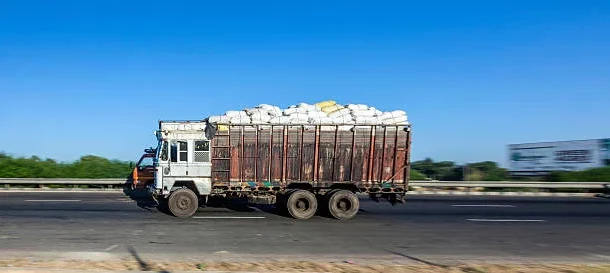
Transport costs significantly affect agricultural trade and the movement of agricultural products across regions and nations. These expenses can change depending on the distance, the form of transportation, the infrastructure, and the cost of fuel. Several of the main effects of transportation costs on agricultural trade are listed below:

Market Access and Distance: Farmers who are located distant from important markets or export hubs may find that their access to markets is restricted by higher transportation expenses. Transporting their produce to customers or ports may be expensive for farmers in outlying places.

Competitiveness of Agricultural Exports: The competitiveness of agricultural exports in global markets is impacted by transportation costs. The final price of exported goods may increase due to higher transportation expenses, thereby reducing their competitiveness against commodities from other countries.

Dependence on Imports: Despite the fact that some agricultural products could be produced more cost-effectively elsewhere, countries may become more dependent on locally produced agricultural products or import from countries nearby with lower transportation costs as a result of high transportation costs.

Transportation expenses may lead to price differences across areas. For instance, areas nearer to industrial hubs may have lower prices as a result of decreased transportation costs.

Efficiency in the supply chain: Timely delivery of agricultural products is ensured by efficient transportation systems, which also shorten lead times. Conversely, ineffective shipping can result in hold-ups, spoilage, and higher handling expenses.

How do tariffs and trade agreements impact agricultural market dynamics?

tariffs and trade agreements

The dynamics of the agricultural market are significantly impacted by tariffs and trade agreement, which have an impact on the production, consumption, prices, and trade flows of agricultural commodities. The impact of trade agreements and tariffs on the agriculture market is as follows:

Market Access and Trade Volumes: Tariffs, which are charges on imports, can raise the price of imported agricultural products, reducing their affordability and ability to compete on the domestic market. Increased import restrictions can result in decreased trade volumes for particular goods.

Price Distortions: By artificially inflating the cost of imported goods, tariffs can contribute to price distortions by raising consumer prices. On the other hand, access to cheaper agricultural products can be facilitated by trade agreements that have low or no tariffs.

Competitiveness of Domestic Producers: Import tariff reductions may boost domestic agriculture producers’ ability to compete. Farmers may be encouraged by this to increase productivity and efficiency in order to compete in the market.

Export Possibilities: By reducing tariffs and trade obstacles through trade agreements, agricultural producers may have more export options, increasing their earnings and promoting economic growth.

Trade Balances: Tariffs and trade agreement have an impact on trade balances, and for some agricultural products, excessive tariffs may result in trade deficits.

Trade agreements can promote investment and technological transfer between nations, promoting the modernization and development of agriculture.

How does international trade affect the agricultural market?

international trade

The agricultural market is significantly shaped by international trade, which affects a number of factors including production, consumption, and prices. The fact that agricultural trade is international enables nations to focus on producing goods in which they have a comparative advantage, which improves productivity and the dynamics of the market as a whole. Here are some ways that the agriculture market is impacted by global trade:

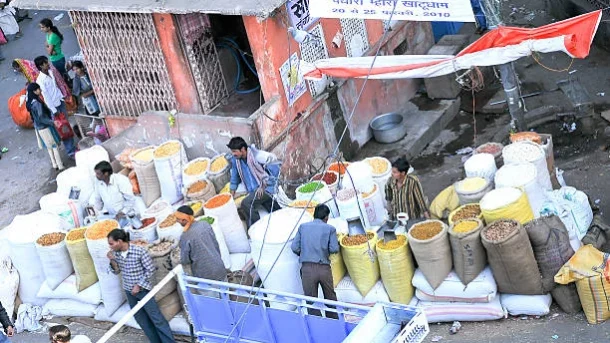
Market Access and Diversification: Through international trade, producers can connect with consumers abroad and get access to a larger market. Opportunities for exporting provide for diversification and lessen reliance on the home market.

Agriculture commerce contributes to the balancing of world supply and demand. Countries with food shortages can import supplies to fill their requirements, while countries with surpluses can export their extra supply.

Price Stabilization: Countries can rely on imports to maintain food supplies and avoid price increases when domestic production is inadequate due to bad weather or other circumstances.

Agricultural producers are encouraged to increase their efficiency and competitiveness by international competition, which boosts the industry’s production and innovation.

Seasonal and geographic advantages: Because agricultural items may be produced year-round in countries with diverse temperatures and growth seasons, consumers can acquire fruits, vegetables, and other goods independent of local producing seasons.

What are the key factors driving agricultural market fluctuations?

fluctuations

A number of variables, including natural phenomena, technical developments, economic policies, and geopolitical events, all have an impact on the agricultural market. Both short- and long-term fluctuations in agricultural commodity pricing and market dynamics may result from these variables. The following are some important variables influencing the agricultural market:

Climate and weather conditions can have a direct impact on crop yields and livestock output, which can change the price of agricultural commodities. Examples of such weather events include droughts, floods, heat waves, and hurricanes.

Crop diseases and insect infestations can have a significant impact on crop production and result in price volatility in the agricultural market.

Global Demand and Population Growth: Increasing populations worldwide and dietary habits have an impact on consumer demand for agricultural products, which in turn affects the cost and availability of those products.

Supply and Demand Balance: A key factor in market fluctuations is the equilibrium between agricultural supply and demand. This balance can be affected by variables such as shifts in production levels, food stockpiles, and export and import quantities.

Trade Policies and Agreements: Tariffs, trade agreements, and international trade policies can affect the movement of agricultural commodities and affect prices.

What are the primary agricultural commodities traded in the market?

agricultural commodities

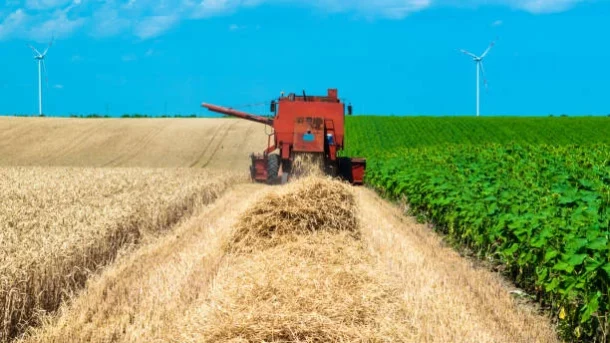
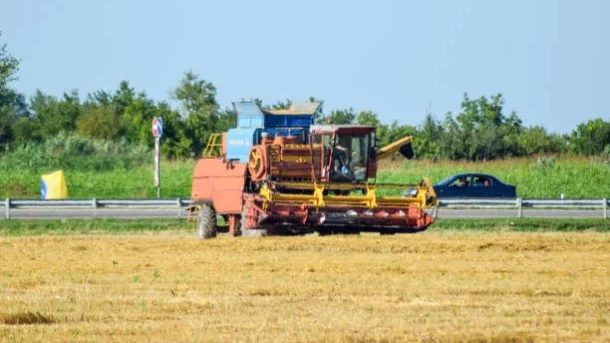
Agricultural commodities are raw materials or basic goods produced as a result of raising crops and animals. These products are necessary for a variety of uses, including human consumption, animal feed, industrial processing, and others. They are traded frequently on numerous international exchanges. The following are some of the most important agricultural commodities products that are traded:

One of the most extensively grown and traded cereal crops is wheat. Pastries, spaghetti, and bread are just a few of the many food products that may be made with it.

Corn (Maize): A staple crop that is fed to both people and animals. Additionally, it is a crucial component of many industrial goods like ethanol and corn syrup.

Soybeans: This adaptable crop is used for a variety of things, such as animal feed, edible oil, and soy-based foods.

Rice: For a sizable portion of the world’s population, rice is a staple diet. It is an important commodity in world trade.

Cotton is a key component of the textile industry and is used to make garments among other things.