Urea should be applied at the time of sowing. It must avoid coming into contact with the seeds. It can also be used as a top dressing. Because urea has a high nitrogen concentration, it should be mixed with soil or sand before being applied. When the soil contains free water or is likely to remain moist for three or four days after application, urea should not be used. Urea can be mixed with Mono-ammonium Phosphate (MAP) or Di-ammonium Phosphate (DAP) with ease (DAP). However, because Urea reacts with superphosphate, releasing water molecules, it must not be blended with any superphosphate until used shortly after blending. This will result in a wet material that will be difficult to store and apply.
Chemical fertilizers
Why urea is used as a fertilizer?
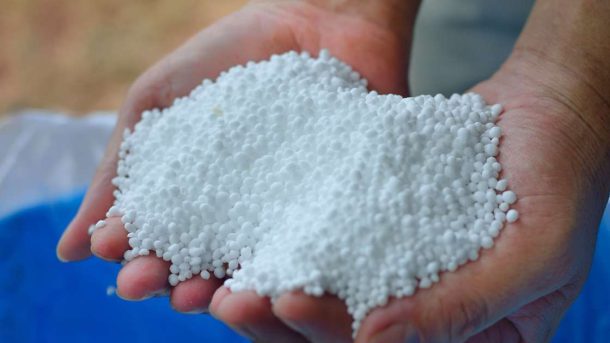
With the largest nitrogen content, urea is the most important nitrogenous fertilizer on the market (about 46 percent). It’s a crystalline organic chemical molecule that’s white in colour. Urea has a pH of neutral and can grow in practically any soil. It’s a waste product produced by humans, other animals, amphibians, and some fish when they metabolise protein. Both as a fertilizer and an animal feed ingredient, urea is widely utilised in agriculture. The primary purpose of urea fertilizer is to supply nitrogen to plants in order to encourage green leafy growth and make them appear lush. Urea also helps plants with their photosynthesis.
What are the disadvantages of use of chemical fertilizers ?
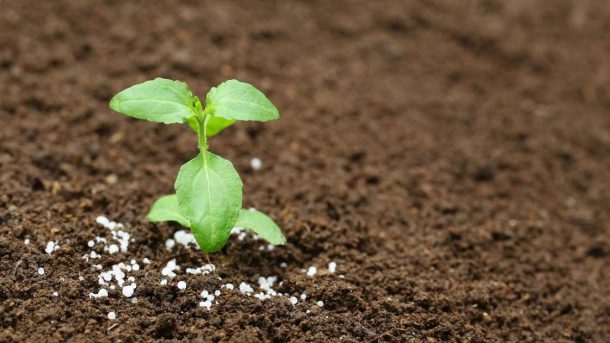
Over application of chemical fertilizers usually results in economic and environmental losses. Plant tissues becomes soft and vulnerable to diseases and pathogen due to overuse of chemical fertilizers. Increased rate of soil organic matter decomposition resulting in soil degradation might happen because of use of chemical fertilizers . Major drawback is loss of nutrients that are applied through different chemical reactions. Use of nitrogen fertilizers in an excess amount resulted in release of green house gases such as carbon dioxide and nitrous oxide in the atmosphere. When chemical fertilizers are used for a long duration , the trace nutrients present in the soil gets depleted and soil gets damaged.
Why liquid fertilizers are preferred by farmers ?
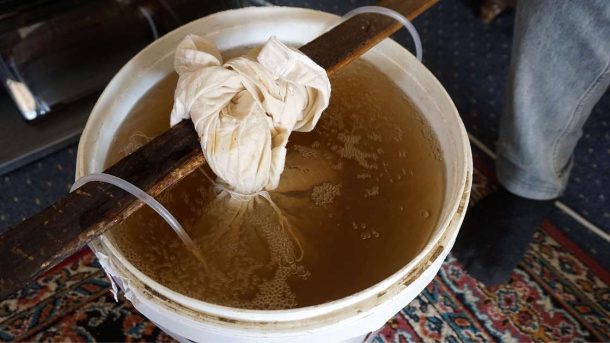
Liquid form of fertilizers are applied with irrigation water or for direct application through foliar spray to augment yield and improve quality of a variety of crops like fruits, vegetables, oil seeds, pulses, cereals, cotton, tobacco, sugarcane, tea, etc. It will ease handling, less labour requirement as well as the possibility of mixing with herbicides have made the liquid fertilisers more acceptable to farmers.
What is Fertigation?
Fertigation is application of fertilizers in an optimum amount after combining it with irrigation water. Fertigation can be achieved through fertilizer tank, venturi system, injector pump, Non-Electric Proportional Liquid Dispenser (NEPLD) and automated system. Fertigation helps in frequent supply of nutrients and reduces fluctuation of nutrient concentration in soil. Fertigation facilitates optimum application of fertilizers with efficient utilization. Uniform application of fertilizer throughout the irrigated soil volume can be achieved through fertigation. Nutrients can be applied to the soil when soil or crop conditions would otherwise prohibit entry into the field with conventional equipment.
What is the fertilizer requirement for mango?
Mango should be manured with phosphorus twice in a year. Usually fertilizers (N and K) are applied in split doses in the month of June-July, September, October, January-February and March-April. For adult trees (10 years or above)1,000g N, 75g P2O5, 75g K2O and 100 kg FYM per year should be applied. Application of micronutrients such
as Zinc and Boron help in cell elongation process.