climate

What are the benefits of using controlled environment agriculture in urban areas?

controlled environment agriculture

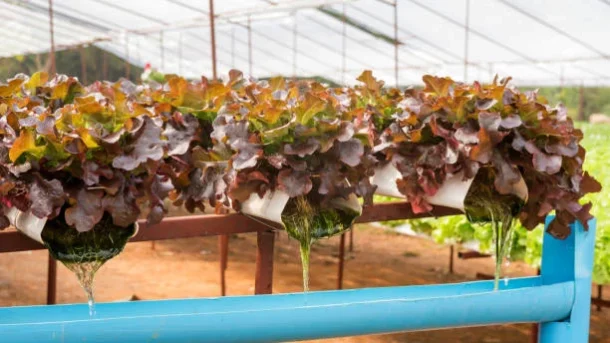
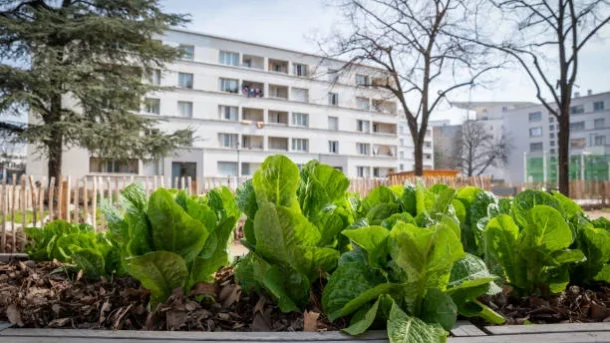
When used in urban locations, controlled environment agriculture (CEA) has a number of advantages. The following are some major benefits of applying CEA in urban settings:

Crop production all year long: controlled environment agriculture permits crop production all year long, regardless of the outside weather. Crop production is made possible by CEA systems by offering a controlled environment that includes temperature, humidity, light, and CO2 levels. As a result, metropolitan regions have a consistent and predictable supply of food because there is less reliance on seasonal variations and outside causes.

Effective use of space: The amount of agricultural land that is available in urban settings is frequently constrained. Contrary to conventional agricultural practices, CEA systems, such as vertical farms, hydroponics, or aeroponics, make better use of available space. Higher crop yields are possible because they can be built to make the most of vertical or horizontal space.

Water conservation: CEA systems use water quite effectively. They frequently use water-recycling and -reusing closed-loop irrigation technologies, including hydroponics or aeroponics. By reducing evaporation, runoff, and losses brought on by ineffective irrigation techniques, CEA can dramatically cut water use when compared to conventional open-field agriculture. In metropolitan settings where there is a lack of water, this water saving is very beneficial.

Reduced use of pesticides and herbicides: In CEA systems, the controlled environment offers advantages for managing pests and diseases naturally. The requirement for chemical pesticides and herbicides can be considerably reduced by CEA by avoiding exposure to external pests. The use of biological control agents, a type of integrated pest management (IPM) strategy, can be more successfully applied in CEA, further lowering reliance on chemical inputs. Produce for urban markets becomes cleaner and healthier as a result.
What is the role of blockchain in ensuring food traceability and safety?

food traceability

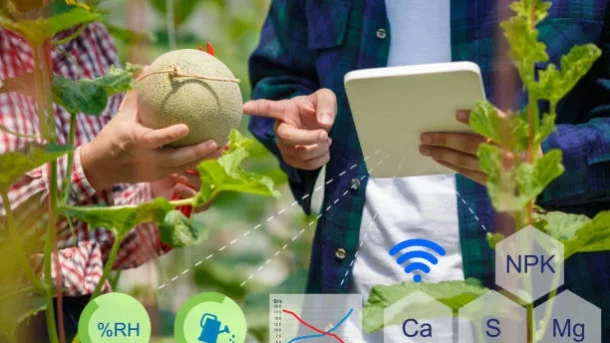
By offering a transparent and unchangeable record of the whole supply chain, blockchain technology is essential in assuring food traceability and safety. Here are some ways that blockchain improves food sector traceability and safety:

Transparent and unchangeable record-keeping: Blockchain generates a distributed, decentralized ledger where all data entries and transactions pertaining to the food supply chain are recorded. The information is guaranteed to be accurate and unchangeable because these records cannot be updated or tampered with. Customers can track the path of food goods from farm to fork and confirm their origin, processing, and handling thanks to this transparency and immutability.

Real-time visibility and openness throughout the whole food supply chain are made possible by blockchain technology. Every link in the supply chain, including farmers.

Better food safety and quality assurance: Blockchain can make it easier to put in place reliable food safety and quality assurance systems. Information regarding the origin of ingredients, manufacturing procedures, temperature controls, certifications, inspections, and test results can all be found in data on the blockchain. To ensure adherence to rules and standards for food safety, this data can be validated and audited. Blockchain provides quick identification of impacted items in the event of a product recall or food safety issue, reducing the extent and effect of the occurrence.

Speedy and precise traceability: The decentralized nature of blockchain enables speedy and precise food product tracing. Blockchain enables stakeholders to swiftly locate the issue’s origins, track impacted batches, and remove them from the supply chain in the case of a foodborne illness epidemic or contamination.

What is the impact of climate change on global food security? 

global food security

Global food security is significantly impacted by climate change, which has an impact on many areas of food production, distribution, and access. The following are some significant effects of climate change on world global food security:

Crop production and variations in yield: Crop productivity is directly impacted by rising temperatures, shifting precipitation patterns, and a rise in the frequency of extreme weather events like droughts, floods, and heatwaves. Climate changes have the potential to shorten growing seasons, lower crop yields, and increase output variability. These yield variations might threaten the stability and availability of food, especially in areas that depend significantly on agriculture.

Changed dynamics of pests and diseases: Pests and diseases that harm crops and livestock can vary in their distribution, behavior, and frequency as a result of climate change. 

Obstacles to irrigation and water availability: Climate change-related changes in precipitation patterns and growing water scarcity may make it more difficult to irrigate agricultural land. Crop growth can be hampered by a lack of water, especially in regions that largely rely on irrigation. This may lead to lower agricultural yields, more competition for available water supplies, and more difficulties for farmers trying to sustain irrigation for food production.

Vulnerability of livestock and fishing: Livestock and fishing, which are essential sources of protein and nourishment, are impacted by climate change. Animal health, reproduction, and productivity may be impacted by rising temperatures, heat stress, and modifications in water availability. The livelihoods of coastal communities that depend on fishing can be threatened by changes in fish populations brought on by changes in ocean temperatures and acidity.

How does indoor farming reduce the dependency on arable land?

arable land

In numerous ways, indoor farming, commonly referred to as vertical farming or controlled-environment agriculture, lessens reliance on arable land:

Vertical stacking: By cultivating crops in stacked tiers or shelves, indoor farming effectively makes use of vertical space. Multiple crop levels can be grown in a very short space thanks to this vertical layout. Indoor farming may produce a sizable amount of crops without requiring a lot of land by making the most of vertical space.

Utilizing non-arable places: Indoor farming can be set up in unconventional locations like buildings, warehouses, or renovated urban spaces. Due to restrictions like a lack of soil, contamination, or urban expansion, certain areas might not be appropriate for conventional farming operations. Indoor farming creates new opportunities by making use of these unusable spaces.

Production all year round: Regardless of seasonal and climatic restrictions, indoor farming allows for year-round agricultural production. Regardless of the weather outside, farmers can provide the best growing conditions for crops by constructing controlled environments. Higher crop yields are possible thanks to this steady and ongoing production, which also lessens the demand for the vast tracts of land needed for traditional seasonal farming.

Reduced land degradation and ecosystem preservation: Due to intense tillage, monocultures, and chemical inputs, traditional agricultural practices can cause erosion, land degradation, and the loss of important arable land. These methods are reduced or eliminated in indoor farming, which prevents soil erosion and protects precious land resources. Indoor farming also prevents the conversion of natural habitats and ecosystems into agricultural land by adopting controlled settings.

How can data-driven decision-making optimize farm management?

data-driven decision-making

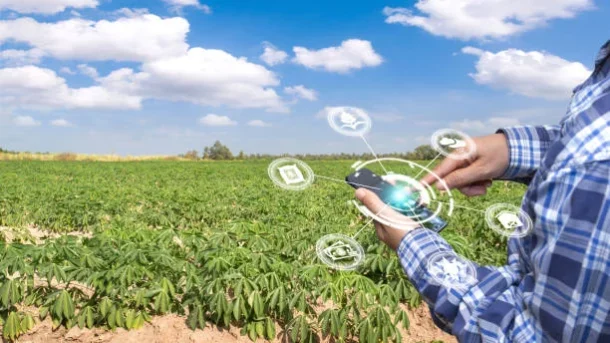
By using precise and timely data to inform and guide diverse agricultural operations, data-driven decision-making improves farm management. How data-driven decision-making can improve farm management is as follows:

Optimizing Input Use: Farmers can choose the precise use of fertilizers, irrigation, and other inputs by carefully considering data on soil fertility, nutrient levels, and crop requirements. Farmers may maximize input use with the help of data-driven insights, ensuring that crops get the proper amount of nutrients at the right time. This lessens waste, lowers expenses, and boosts resource efficiency.

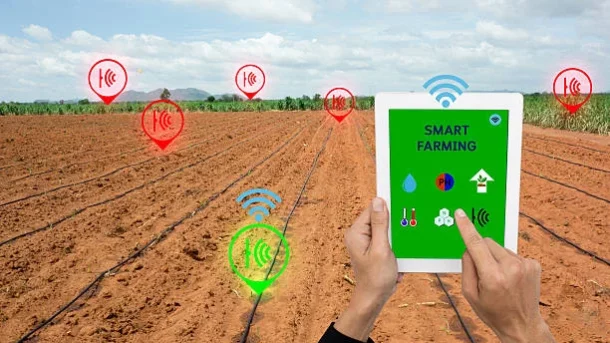
Precision Agriculture: Based on data insights, precision agriculture practices entail applying inputs and managing fields at the sub-field level. This is made possible by data-driven decision-making. Farmers can spot changes in crop yields by combining information from sensors, satellite photography, and field monitoring.

Data analysis assists farmers in identifying and reducing hazards in their operations. It is possible to evaluate prospective risks and make defensible decisions by using historical data on weather patterns, pest outbreaks, or market trends. For instance, depending on risk analyses and predictive models, farmers can modify planting schedules, put in place pest monitoring programs, or diversify crop types. This pro-active strategy aids in managing and reducing prospective losses.

Operational Efficiency: By streamlining farm operations and allocating resources more effectively, data-driven decision-making enhances operational efficiency. Farmers can spot bottlenecks, inefficiencies, or opportunities for improvement by examining data on equipment performance, labor productivity, or field logistics. By maximizing the use of manpower and equipment and minimizing downtime or delays, data insights enable better planning and scheduling of farm activities.

 What is the role of big data analytics in modern agriculture?

big data analytics

By utilizing the enormous amount of data generated by farming operations, big data analytics plays a significant role in modern agriculture by gaining insightful information, streamlining decision-making, and increasing overall farm efficiency. Here are a few crucial functions of big data analytics in contemporary agriculture:

Data Gathering and Integration: The agricultural ecosystem’s numerous data types can be gathered, integrated, and managed using big data analytics. Data from sensors, satellites, drones, weather stations, equipment, and farm management systems are included in this. Farmers can acquire a thorough picture of their business operations and take wise decisions by combining and evaluating different data sources.

Forecasting and Predictive Analytics: Big data analytics enables the use of forecasting and predictive modeling methods in agriculture. Analysis of historical data predictive analytics can estimate yields, disease outbreaks, or market trends through the analysis of historical and real-time data, such as weather patterns, soil conditions, crop growth stages, and insect dynamics. These insights support farmers in risk management, planting schedule planning, and resource allocation optimization.

Precision Agriculture with Variable Rate Technology: By employing spatial data and variable rate technology, big data analytics supports precision agriculture methods. Farmers can recognize variability in their fields and tailor the application of inputs, such as fertilizer, water, or pesticides, based on the particular requirements of various locations by analyzing soil maps, satellite photos, and sensor data. This focused strategy reduces the environmental impact while maximizing resource efficiency.

Real-time monitoring and analysis of crops and livestock are made possible by big data analytics.

What are the benefits of using sensor-based irrigation systems?

sensor-based irrigation systems

Sensor-based irrigation systems have a number of advantages for streamlining irrigation and maximizing water usage. Some of the main advantages of employing sensor-based irrigation systems are as follows:

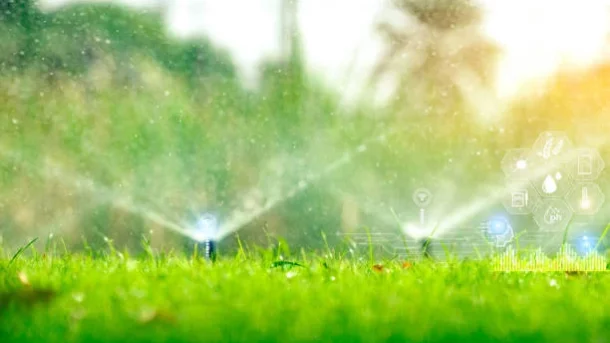
Better water management: Sensor-based irrigation system offer real-time information on soil moisture levels, weather, and plant water needs. With the use of this information, accurate water management is made possible, ensuring that plants get the proper amount of water at the appropriate time. Sensor-based irrigation systems maximize water utilization and lower water waste by avoiding over- or under-irrigation.

Water Conservation: By reducing superfluous watering, sensor-based systems contribute to water conservation. Tensiometers or soil moisture sensors monitor the amount of moisture in the root zone and enable watering to only start when the soil moisture falls below a predetermined level. This avoids excessive irrigation and runoff, which would cause substantial

Precision irrigation is made possible by sensor-based system, which feed water to the plant’s root zone based on its real moisture requirements. With this focused application, water is utilised by the plants more effectively and is lost less through evaporation or deep percolation. Precision irrigation improves irrigation consistency and lessens plant water stress.

Energy savings: By integrating sensor-based irrigation systems with automated control systems, watering may be precisely scheduled and run based on sensor readings. With this automation, less manual work is required, and energy utilization is maximized. Sensor-based technologies aid in energy savings in irrigation operations by lowering pumping and energy requirements.

 How can climate-smart agriculture mitigate the impact of climate change on crops?

climate-smart agriculture

A variety of techniques can be used in climate-smart agriculture to lessen the effects of climate change on crops. Here are a few ways that climate-smart agriculture might lessen the effects of climate change:

Adaptation to Changing circumstances: The focus of climate-smart agriculture is on adopting techniques that increase crops’ resistance to changing climatic circumstances. For example, choosing and breeding crop varieties that can withstand heat, drought, or waterlogging. Farmers can lessen the negative effects of climate change on crop productivity by selecting the right crop kinds.

Water Management is Improved: Climate-smart agriculture encourages effective water management techniques. Water is conserved and crop water stress is decreased by using methods like precision irrigation, mulching, and drip irrigation. Crops can endure droughts better by maximizing water consumption and reducing water loss.

Conservation agricultural: By enhancing soil health and moisture retention, conservation agricultural techniques including minimal tillage, cover crops, and crop rotation help reduce the effects of climate change. These techniques boost soil organic matter content, decrease soil erosion, and increase water infiltration. Drought, temperature changes, and other harsh weather occurrences are less likely to damage healthy soils.

Agroforestry and Windbreaks: By including trees or windbreaks in agricultural landscapes, crop damage from climate change can be reduced. Crops are shielded from high heat or wind damage by trees’ provision of shade, control of microclimates, and reduction of wind speeds. Additionally, agroforestry systems capture carbon dioxide, reducing greenhouse gas emissions.

What are the challenges and benefits of adopting climate-smart agriculture practices?

climate-smart agriculture

Adopting climate-smart agricultural techniques has advantages and disadvantages. The following are some of the main drawbacks and advantages of adopting climate-smart agriculture:

Challenges:

Knowledge and Awareness: Making sure farmers have access to the information they need regarding climate-smart practices is one problem. Understanding the effects of climate change, effective adaptation measures, and the potential advantages of implementing climate-smart agriculture are all included in this.

Financial Resources: Putting climate-smart strategies into effect frequently necessitates investments in new infrastructure, technologies, or training. For farmers, especially small-scale farmers, a lack of financial resources can be a major obstacle to implementing climate-smart agriculture.

Technical Capacity: Using climate-smart activities may call for learning new abilities, using new tools, and having new technical knowledge. It can be difficult to give farmers the instruction and support they need to improve their technical proficiency, particularly in areas with few extension services or sources of agricultural advances.

For farmers to successfully apply climate-smart practices, they require access to quality seeds, fertilizer, water supplies, and other inputs. Particularly in isolated or underdeveloped locations, a lack of access to these resources can impede the implementation of climate-smart agriculture.

Benefits:

Climate Resilience: Climate-smart agriculture makes farming systems more resistant to the effects of climate change. It consists of steps to adapt to shifting climatic conditions as well as activities that reduce greenhouse gas emissions. Farmers can overcome climate-related hazards and keep up agricultural productivity thanks to their resilience.

Productivity Gains: Climate-smart farming techniques frequently boost agricultural output. Conservation agriculture, agroforestry, and precision farming are examples of practices that maximize resource usage, boost soil health, and improve water management. These methods help to increase crop yields, crop quality, and farm income.

 What is the role of biotechnology in crop protection?

crop protection

By providing cutting-edge technologies and methods to generate crops with increased resistance to pests, diseases, and environmental challenges, biotechnology plays a vital role in crop protection. Several important uses of biotechnology in crop protection are listed below:

Biotechnology permits the genetic modification of crops to express resistance to particular pests. Genetic engineering for pest resistance. Crop plants can be genetically modified using genes from naturally occurring pest-resistant organisms like bacteria or other plants. By enabling the crops to create proteins or substances that are poisonous to pests, the demand for chemical pesticides is diminished.

Disease Resistance: Through genetic modification, biotechnology can improve crops’ resistance to illnesses. Crop plants can be genetically modified to have disease resistance characteristics, protecting them against bacterial, viral, or fungal infections. This genetic improvement lessens crop losses and the need for antibiotics or chemical fungicides to manage disease.

Herbicide Tolerance: Using biotechnology, it is possible to create crops that are resistant to a particular class of herbicides. Crops that have undergone genetic alteration can tolerate the use of herbicides, which can kill weeds while sparing agricultural plants. This characteristic encourages effective and focused weed control, which lessens the need for mechanical or manual weed management techniques.

Abiotic Stress Tolerance: Biotechnology can increase a crop’s resistance to abiotic stresses like heat, cold, salt, drought, and other similar conditions. Through the use of genetic engineering techniques, genes that increase the plant’s capacity to withstand these stresses can be added, enhancing crop performance in challenging environmental conditions. Farmers are now able to grow crops in areas with difficult climatic conditions.

Biofortification: Using biotechnology, the nutritional value of crops can be improved. Crops can be genetically modified to be enhanced with necessary vitamins, minerals, or other nutrients, thereby solving nutritional inadequacies in certain geographic areas. The improvement of human nutrition and health is made possible by biofortification.