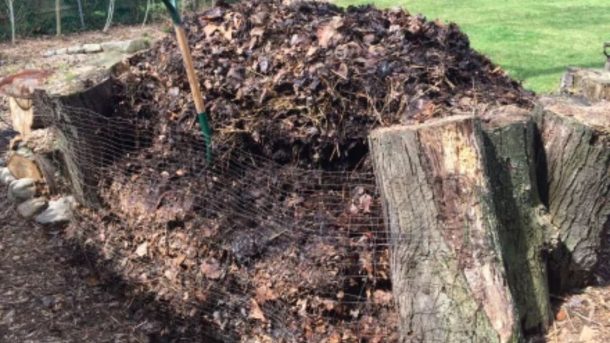
Organic wastes are spread in the cattle shed to serve as bedding. Urine-soaked material along with dung is removed every day and formed into a layer of about 15 cm thick at suitable sites. Urine-soaked earth, scraped from cattle sheds is mixed with water and sprinkled over the layer of wastes twice or thrice a day. Layering process continued for about a fortnight. A thin layer of well decomposed compost is sprinkled over top and the heap given a turning and reformed. Old compost acts as inoculum for decomposing the material. The heap is left undisturbed for about a month. Then it is thoroughly moistened and given a turning. The composting is ready for application in another month.
farming practices
How training and pruning in the Passion fruit vines enhances yield?
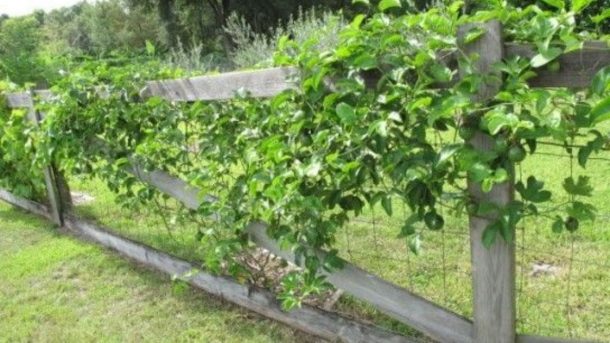
Training is essential in managing production and supporting the vine during its economic life. Poor and inadequate construction of the trellis can lead to bending and damage the vines. The passion fruit influences the current season’s growth and encourages systematic pruning of vines of new growth that results in regular and high fruit production. Passion fruit vines should be trained on a strong trellis or fence to hold the vine’s weight without bending too far, leading to breakage of branches and possible damage to the plant.
How Plant spacing is done for improving Passion fruit crop yield?
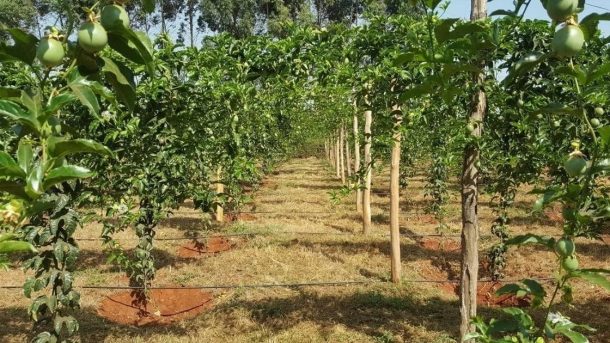
The passion fruits are vigorous growers. A vine can grow up to 30 to 40 feet tall. Train the vines to avoid tangling the stems of different plants. Training vines on trails will make harvesting easier.
How to Select the propagation method for Passion fruit?
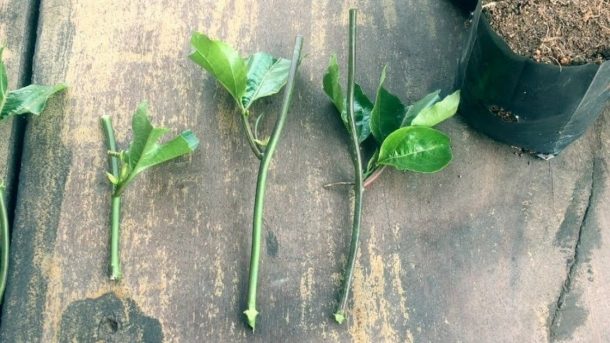
It is usually propagated by cutting. However, seeds are also used as propagating material despite the genetic variation. Softwood grafting is promising in realizing the benefits of rootstock. The yellow passion fruit, which tolerates soil-borne diseases, is the most common rootstock of the purple passion fruit.
How Fruit Thinning is done in High Density Peach Planting?
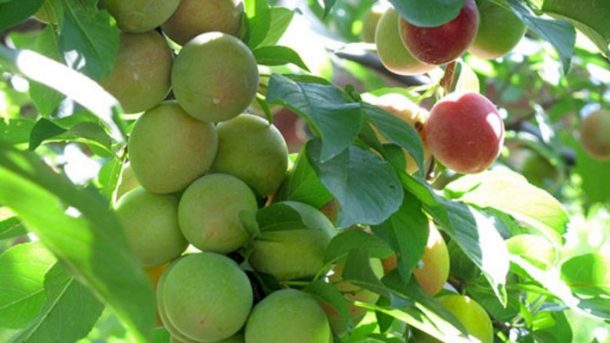
Fruit sets can be too heavy on some trees in some years. If Peach fruit is not thinned, the size, color and quality of the entire crop are reduced. Peaches usually have excess fruit. In years without freeze damage, more Peach fruits will set than the tree can support, and the fruit must be thinned. Normally, fruit thinning will allow the remaining fruits to develop optimum size, and color, as well as prevent depletion of the Peach tree.
How Training and Pruning is done in High Density Peach Planting?
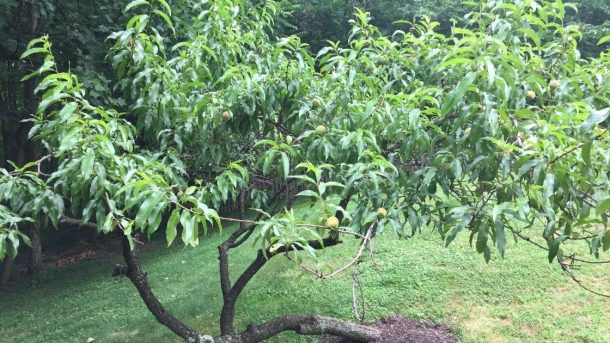
Training and pruning are effective tools in high-density peach planting for shaping and controlling tree size. The training in Peach trees begins when the tree is first planted and continues throughout its productive life. Each plant is allowed to maintain a single stem with upward growth up to 60-80 cm and then 4 scaffold branches are allowed in 4 directions to make the tree frame. After the start of bearing, shoots arising from secondary and tertiary branches are given 15 to 20 cm deep pruning soon after Peach fruit harvest. A spray of 1% urea combined with 0.2% Blitox-50 must be done soon after tree pruning.
In the perpendicular-V system, only two main limbs oriented perpendicular to the tree row is allowed to develop. The advantage of the perpendicular-V system is that trees can be planted closer in the row to increase the number of trees per acre. In Peach Planting, peach trees are usually trained to an open center system for optimal growth. Cut back newly planted trees to about 30 inches high, just above a lateral branch; and select 3 to 4 laterals with wide angle crotches spaced evenly. The peach tree requires heavy and regular pruning because fruiting occurs laterally only on the previous season’s growth. During early bearing, 20 to 30% linear growth of the shoots should be removed. The best time of pruning Peach trees is the last week of October.
What is the Spacing Requirement for High Density Peach Planting?
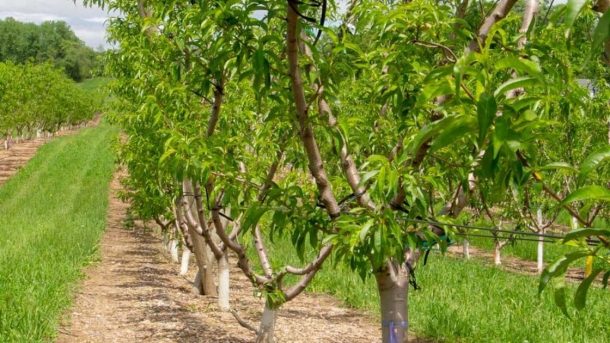
In high density plantation system, the distance can be reduced to 3 mx 3 m. In the Tatura trellis and Meadow system, the peach tree is planted at a distance of 5 mx 1 m (2000 plants/ha) and 2 m x1 m (5,000 plants/ha) respectively.
How Grafting Method is done in High density peach planting?
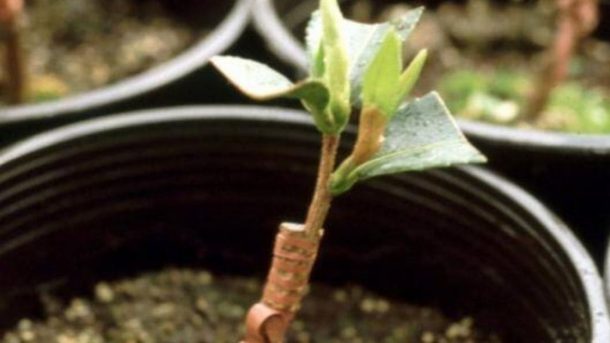
In Grafting method, cuts a 5 cm graft from 12 months older rootstock from about 25 cm above from the field. Then, cut the graft in tongue form from the rootstock. Then it must be planted in the prepared pit followed by light irrigation for a good setting of the grafted rootstock.
How Rootstock Method is done in High density peach planting?
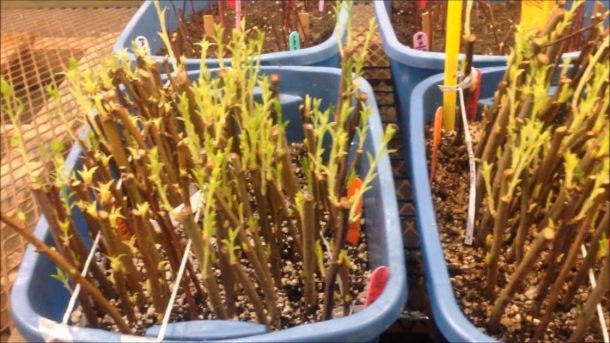
Firstly, keep the selected Peach seeds in moist sand for about 100 days for delamination. Then, treat the seeds with GA3 by 250 mg per liter of water and thiourea by 10 grams per liter of water to increase the germination % and vigor. Then sow these seeds in prepared beds at depth of 5 to 6 cm at 15 cm apart from each other. With this process, the best time for planting season is from October to November. Then, give light irrigation just after the planting on the beds.
What is the spacing maintained in Cauliflower Farming?
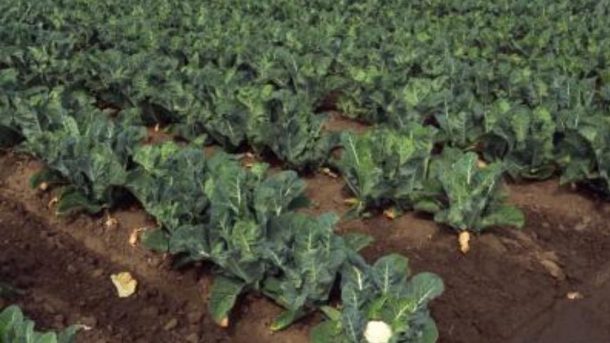
Before seedlings are prepared in nursery beds, furrow type of layout & ridges should be prepared for this crop and the plants should be transplanted in main filed after 3 to 4 weeks. Spacing between plants should be 45 cm X 45 cm for early crop and 60 cm X 60 cm for late crop.