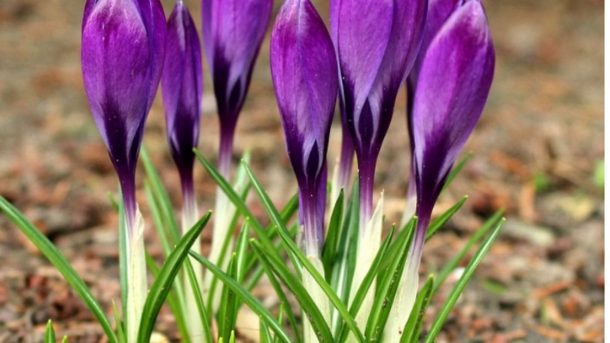
The inorganic fertilizers should be applied as a band around the plants. Initially, half the quantities of nitrogen, phosphorous, potassium, vermicomposting and FYM are applied as basal dose after second hoeing for the first crop. Another half dose of nitrogen fertilizer is applied after the onset of flowering.
farming practices
What is the best way to keep jackfruit from rotting?
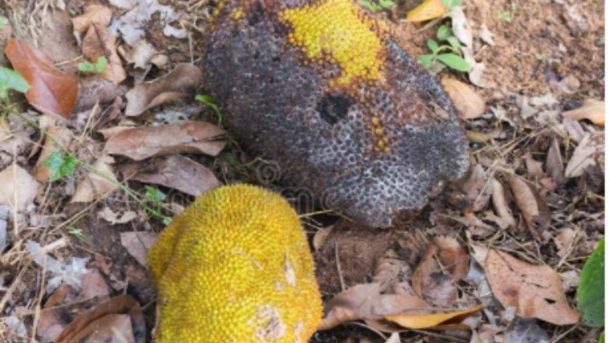
Pruning the tree will allow for better ventilation and a reduction in relative humidity in the canopy. Remove sick fruit from trees from the ground and destroy it. Remove decaying organic debris from the tree and the area around it. Make sure there is no water ponding around the tree’s root zone.
When and how to harvest dwarf banana?
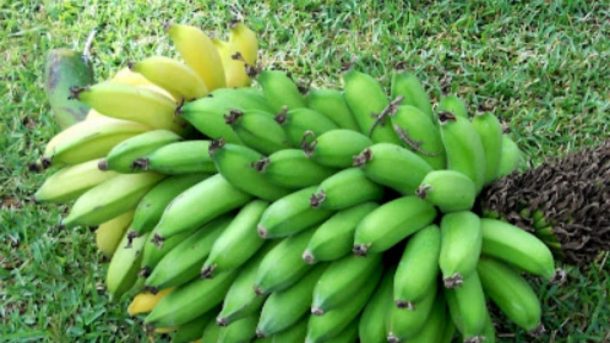
Dwarf banana varieties commence flowering in about 9 months after planting and the fruits take about 3 month more to mature whereas, tall varieties take about 12 months for flowering after planting. Then, the bunch is harvested just before it attains the ripening stage. The dwarf bananas become ready for harvest within 11 to 14 months after the planting process.
How to keep monkeys away from fruits, vegetables by cultivating medicinal and aromatic plants?

Farmers can now check the losses caused by these primates on fields by adopting farming of Medicinal and aromatic plants in areas affected. Many types of medicinal plants including Sarpagandha, Ashwagandha, Brahmi, Kaleigh, Shatavari, Tulsi, Aloe vera are not liked by monkeys and the major benefit of practicing farming of herbal plants is that monkeys do not eat them.
In addition, it also increases the productivity of the soil which increases the yield of the next crop on this land. Herbal plants are used for preparing medicines, so there is already an established market for their production. Similarly, aromatic plants such as Lavender, Citronella, Geranium, Palma Rosa etc., can also be grown to protect against this danger.
What is Biofloc technology?
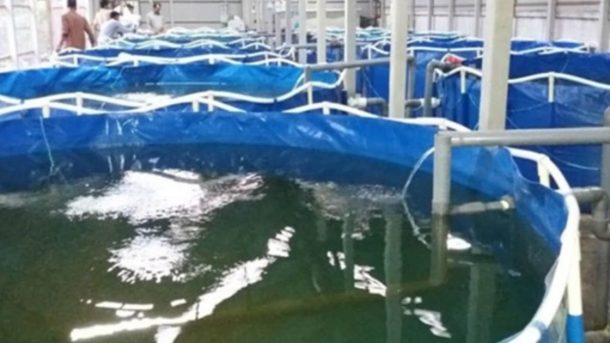
Biofloc farming technology is a system to remove waste from water. It was previously used to treat water coming into a farm and it is done so that no disease gets transferred. This system uses a set of bacteria that are good bacteria. These are probiotics and kill harmful bacteria. Thus, maintaining the water quality. They have the capability to convert the nitrogen in the water, into proteins. Then, Biofloc fish farming in India is getting popular day by day. Biofloc fish farming is a wastewater treatment that has gained vital importance as an approach in aquaculture.
How many types of alternative farming technique?
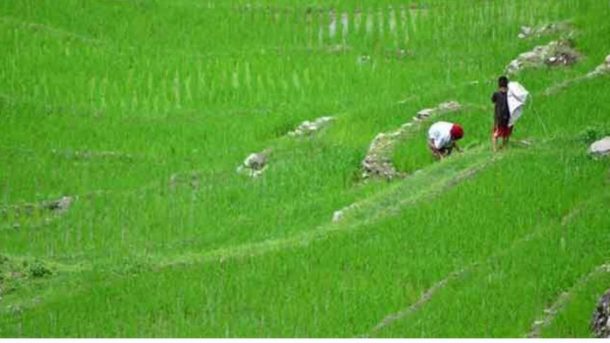
Basically, there are ten types of alternative farming techniques. They are Organic farming, Biodynamic farming, No tillage farming, Urban and Peri-urban Farming, Natural farming, Eco-farming, Permaculture, Polyculture, Integrated farming system and Floating Farming.
What is a silo?
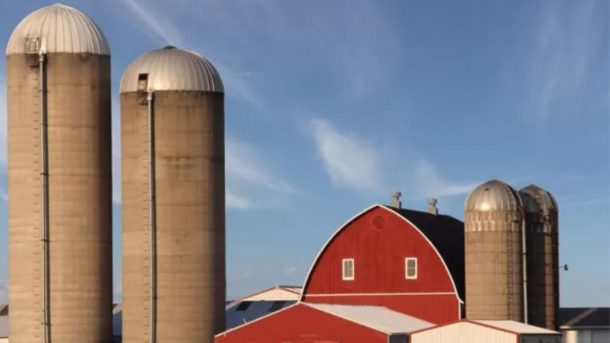
The tall, cylinder-shaped farm structures known as silos are used to store silage, which is animal feed. Silage is moist feed made from green crops that ferment when stored in an airtight place. This fermentation process preserves the feed, which is used along with or instead of hay (dried grasses) to feed livestock (horses, cattle, sheep) during the winter when they cannot feed in green pastures. Silage gives farm animals needed nutrients. Before farmers started to raise food crops to feed their livestock (during the 18th century), they had to kill most of their animals when winter approached, because grass in pasturelands stopped growing and the animal’s faced starvation. But herds of livestock could be kept year-round once farmers began to grow crops for winter feed. Root crops like turnips, as well as leafy crops, were sometimes used. Today, corn is the crop most often used for silage.
Why splitting occurs in red cabbage and how to overcome with it?
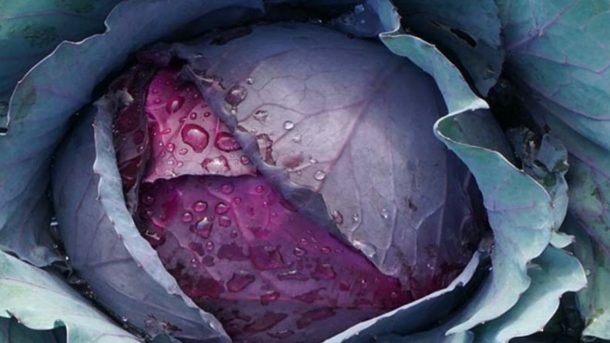
This is one of the major problems that you will face while growing red cabbage. Splitting is more common in quick -growing and early-season plant varieties. Some reasons for red cabbage would split are overwatering, heavy rains and drought etc. You can avoid cabbage head-splitting by providing mulch to your plants which will retain moisture in the soil.
How drones are useful in Indian agriculture?
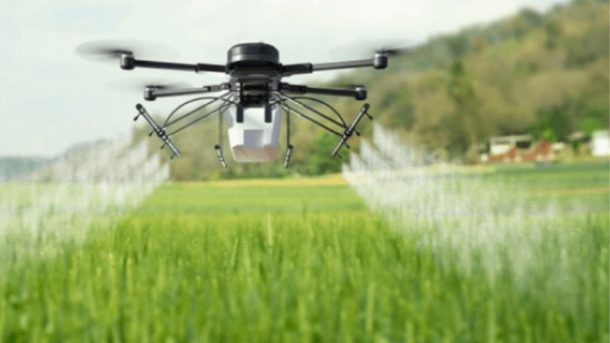
Drones can assist farmers in optimizing the use of inputs (seed, fertilizers, and water), responding more quickly to threats (weeds, pests, and fungi), saving time crop scouting (validating treatment/actions taken), improving variable-rate prescriptions in real-time, and estimating yield from a field.
The government has issued standard operating procedures (SOP) for the use of drones to spray pesticides on agricultural crops, a step that industry association CropLife India applauded on Thursday. Certain restrictions will apply to the use of drones for aerial pesticide spraying.
How much quantity of fertilizer and nutrients are required for kiwi plants?
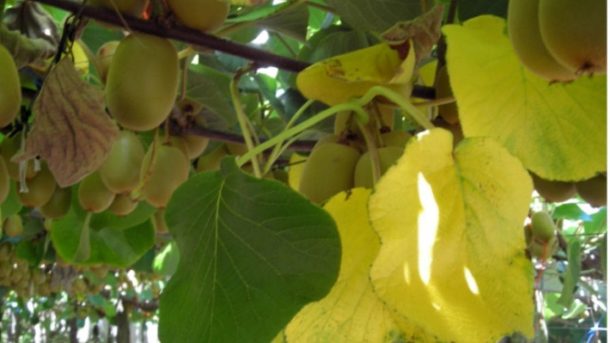
A fertilizer dose of 20 kg FYM, 0.5 kg NPK mixture containing 15% N is recommended for application every year. After 5 years of age, 850-900g N, 500-600g P and 800-900 g K and farm yard manure should be applied every year.
Kiwi required high chlorine because its deficiency adversely affects the growth of shoot and roots. In contrast, excess levels of Boron and sodium are harmful. The N fertilizer should be applied in two equal doses, half to in January- February and the rest after fruit set in April-May. In young vines, the fertilizer is mixed in the soil within the periphery of the vine, and for the matured vine should broadcast evenly over the entire soil surface.