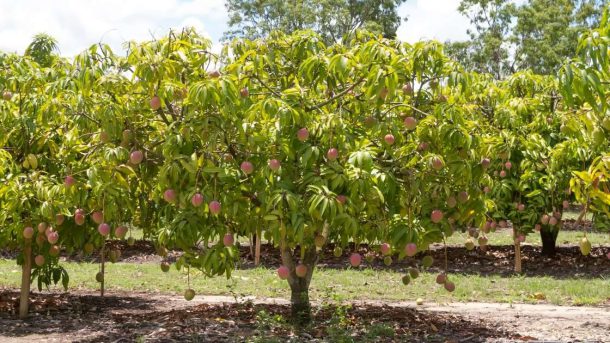
Black plastic mulch (100 micron) restricts the germination of weed seeds and suppresses the weed growth. The size of the film requirement for young plant is 1 m x 1 m, and for 8 years onwards film requirement is 2.5 m x 2.5 m around the tree. Interculturing operations in large canopy trees are done by spraying Glyphosate 41 percent or Glyphosate 71 percent, whereas interculturing operations in small canopy trees are done by hand weeding.
farming practices
What is earthing up/hilling/ridging ?
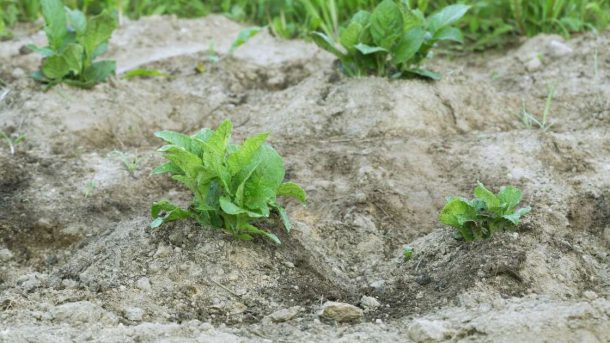
In agriculture and horticulture, hilling, earthing up, or ridging is the practice of piling soil up around the base of a plant. It can be done by hand (most commonly with a hoe) or with powered machinery (most commonly a tractor attachment). Hilling buries the plant’s normally above-ground parts, fostering the desired development. This may accelerate the formation of new tubers (as with potatoes), drive the plant to produce longer stems (as with leeks), or maintain the stems or shoots pale and soft for various crops (chicory, leeks, asparagus, and so on). Hilling can also be used to stabilise the stems of crops that are susceptible to wind damage.
What is gap filling ?
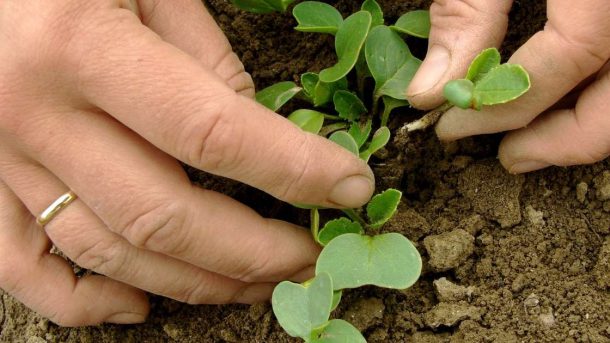
Gap filling involves spreading seeds or transplanting seedlings into gaps where early sown seeds have failed to sprout. These are usually done a week after seeding to a maximum of 15 days after sowing. Gap filling comes first in dryland agriculture. After 7 days after seeding, the seeds are dibbled. To avoid drought, thinning is done after gap filling. Mid-season correction is a management method that involves removing a percentage of the plant population to reduce stress.
What is thinning in agriculture ?
Removal of excess plants after germination from the crop field or seed bed is called thinning. Excess plants in a crop field reduce crop yield due to intra crop competition. As a result there occurs shortage of space, nutrients, light, air and moisture for individual crop plant which ultimately reduce yield. So, if required, excess seedlings are removed leaving the strongest ones.
What is sericulture?
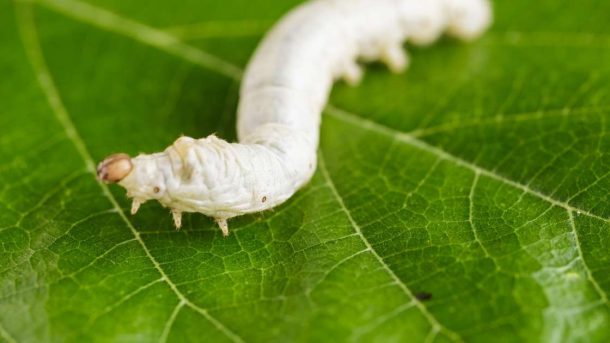
Sericulture is a two-step process that begins with the cultivation of mulberry trees and ends with the raising of silkworms on mulberry leaves to generate cocoons. Bombyx mori, also known as the silkworm, is a sericulture insect that is one of the most economically important in the world. Silkworms are monophagous insects, feeding only on mulberry leaves. Mulberry seedling production is followed by mulberry tree training, care, harvesting, and insect pest management. Preserving silkworm eggs, managing rearing rooms, handling rearing equipment, preventing silkworm diseases, supplying mulberry leaves, and collecting mature larvae to transfer to the cocooning frame are all part of silkworm rearing.
What is a shade house ?
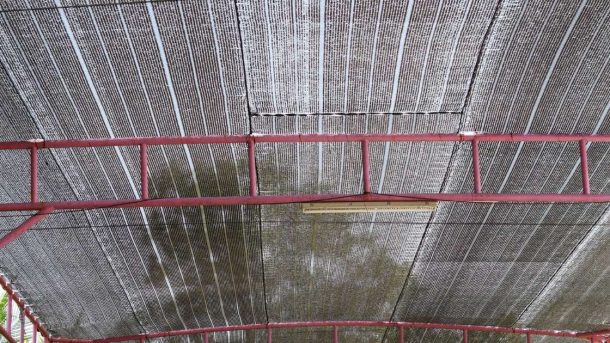
A shade house is a structure that is encased in agro nets or other woven materials, with holes that enable sunlight, moisture, and air to pass through. It produces a microclimate that is beneficial to plant growth. Shade net house or net house are other names for it. The shade house structure should be designed with the sort of crop to be cultivated in mind, as well as locally available materials and climatic circumstances. It should be possible to expand in the future.
A shade house should be situated such that it has easy access to markets for inputs and the sale of its products. This structure should be built away from buildings and trees, as well as pollution from industry and vehicles. There should be no drainage issues on the property. Electricity and high-quality water should be available. Wind breakers, on the other hand, may be placed 30 metres away from the structure.
What are super absorbent polymers in agriculture ?
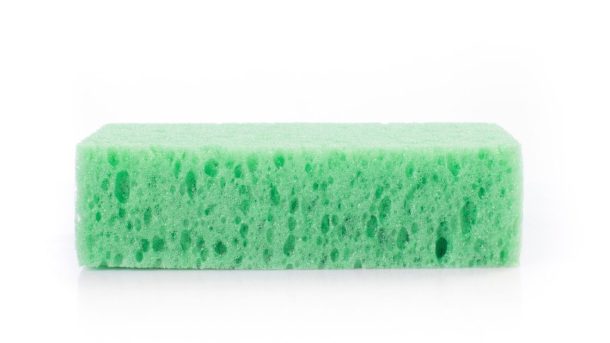
SAP, also known as hydrogel, absorbent polymers, absorbent gels, super soakers, super slurpers, and water gel, is a novel form of macromolecular synthetic water absorption polymer material. Acrylic acids and a cross-linking agent like potassium are commonly employed in agriculture to make Super Absorbent Polymers, which are made through solution or suspension polymerization. The resulting polymer is known as a polyacrylate, and its swelling capacity and gel modulus are highly dependent on the amount and type of cross-linker utilised. Polyacrylates are non-toxic, non-irritating, and non-corrosive in nature, and have been proven to be biodegradable at a rate of 10% to 15% each year. They have a large water absorption capacity and can freely release 95 percent of that when suction pressure is applied by plant roots.
What is medium-cost greenhouse ?
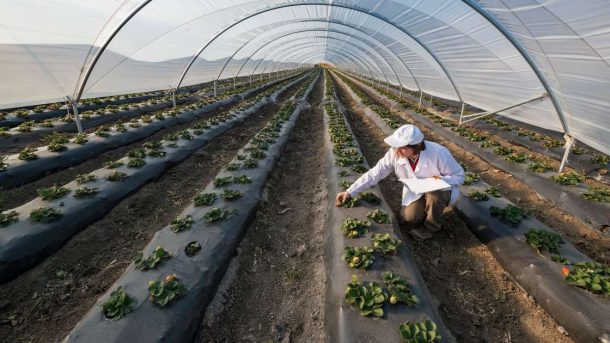
Medium-level greenhouses have vertical walls that are more than 2 metres tall but less than 4 metres tall, and a total height of less than 5.5 metres. They may have ventilation on the roof, the side walls, or both. Medium-sized greenhouses are typically wrapped in single or double-skin plastic film or glass, and they have variable degrees of automation. Medium-level greenhouses represent a reasonable economic and environmental base for the sector, since they strike a balance between cost and productivity. Medium-level greenhouse production can be more efficient than field production. Hydroponic systems make water use more efficient. Although there is more chance to apply non-chemical pest and disease management measures, greenhouse horticulture’s full potential is challenging to achieve.
What is Hi-Tech agriculture ?
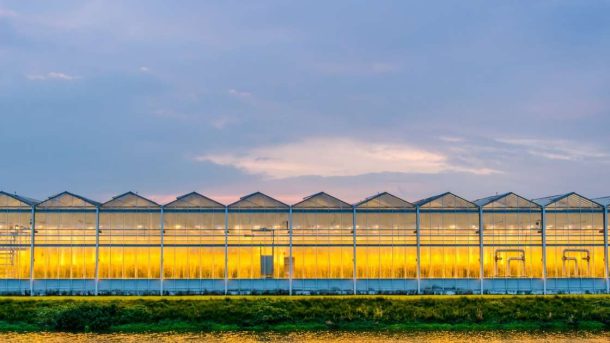
Temperature, humidity, and light are all automatically adjusted in this sort of green house to meet the needs of the plants. Sensors or signal-receivers are used to indicate these. The sensor measures the variables, compares them to a standard value, and then recommends that the device be run. Temperature sensor heating/cooling mechanism and thermostat-controlled fan make up the temperature control system. Similarly, optical tagging devices are used to detect relative humidity. The pressure sensor system controls the operation of the boiler, irrigation, and misting systems. This modern building is quite costly, since it necessitates qualified operators, as well as maintenance, care, and precautions.
What is green house technology ?
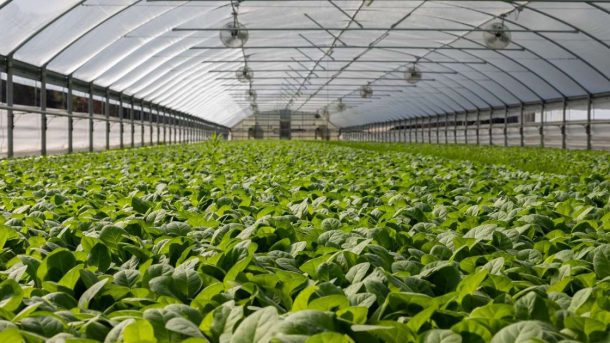
Greenhouses are constructions using transparent to translucent materials such as LDPE, FRP, and Polycarbonate sheets that enable solar radiation to flow through while trapping the thermal radiation emitted by the items inside. This produces an ideal growing environment for plants. During the day, the energy received from the sun is transformed to heat within the greenhouse and used to evaporate water during normal plant transpiration. Light, heat, CO2, and moisture, all of which influence plant growth, might be managed in these buildings. The results of the plant cultivated in these greenhouses imply that this could be a viable technology for small and marginal farmers because it produces a considerably greater yield and allows for the production of off-season crops such as vegetables.