Water conservation

How are farmers adapting to changing agreements and geopolitical dynamics?

farmers

Supportive Regulations and Permitting Procedures: To make urban agriculture activities easier, governments are streamlining regulations and permit procedures for farmers. This entails streamlining the application process for permits and removing obstacles relating to zoning compliance, water usage, waste management, and land use regulations. Some localities have enacted licenses or permits for urban farming that are specific to the requirements and needs of urban agriculture.

Enhancing home Market Presence: In order to lessen their reliance on international trade, farmers are concentrating on enhancing their home market presence. They look at community-supported agriculture (CSA) programs, farmers markets, direct-to-consumer sales, and local marketing channels. Even in the face of disruptions in commerce, this strategy aids farmers in maintaining a steady market base.

Adopting Technology and Innovation: In order to increase their competitiveness on the global market, they are embracing technology and innovation. They make investments in precision agriculture methods, make use of cutting-edge machinery and equipment, make decisions using data, and practice sustainable farming methods. Farmers may increase output, cut expenses, and produce goods that are up to par with global standards by utilizing technology.
What are the recent developments in urban agriculture policy and governance?

urban agriculture

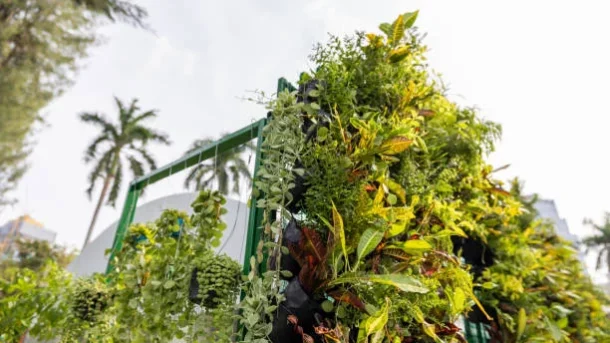
Zoning and land use regulations: In order to support and accommodate urban agriculture, many communities have updated their zoning and land use regulations. This includes setting aside particular areas or pieces of land for agricultural use, allowing for the cultivation of crops, the breeding of small animals, and the keeping of bees inside the boundaries of cities. Zoning amendments may also deal with matters like water rights, access to land, and the incorporation of urban agriculture into urban planning.

Plans and Strategies for Urban Agriculture: Cities are creating thorough plans and strategies to direct the creation of initiatives for urban farming. Goals and objectives for ensuring food security, expanding green space, enhancing sustainability, and fostering community well-being are frequently included in these plans. 

Supportive Regulations and Permitting Procedures: It make activities easier, governments are streamlining regulations and permit procedures. This entails streamlining the application process for permits and removing obstacles relating to zoning compliance, water usage, waste management, and land use regulations. Some localities have enacted licenses or permits for urban farming that are specific to the requirements and needs of urban agriculture.

How are farmers using satellite imagery and GIS for land management and monitoring?

imagery

Farmers are using Geographic Information System (GIS) technology and satellite imagery more and more for land management and monitoring. Here are some significant applications of these technologies:

Crop monitoring and yield estimation are made possible by satellite imagery, which gives farmers a bird’s-eye perspective of their fields and enables them to track crop development, identify stress factors, and calculate yields. Farmers can spot changes in crop health, nutritional deficits, pest infestations, and disease outbreaks by examining satellite photos. They can use this knowledge to make educated decisions about irrigation, fertilizer use, and pest control, which results in more effective resource management and higher crop output.

GIS and satellite imagery are essential components of precision agriculture techniques. Farmers can improve yields by combining information from satellite pictures, soil sensors, and other sources.

Crop Rotation and Land Use Planning: GIS and satellite imagery help with crop rotation and land use planning techniques. Farmers can evaluate the viability of various regions of their property for particular crops based on criteria like soil type, terrain, and drainage by analyzing historical and current satellite pictures. In order to reduce disease pressure, nitrogen depletion, and soil erosion while increasing yields and maintaining soil health, farmers can use GIS technologies to construct the best crop rotation schedules.

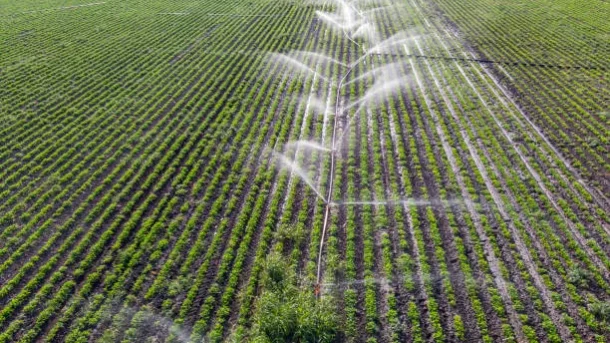
Irrigation management: GIS and satellite-based data are useful resources for enhancing irrigation procedures. Farmers may determine the amount of water crops will need and keep track of the soil moisture levels in their fields by combining satellite photography, weather information, and evapotranspiration models. This knowledge enables them to more accurately plan irrigation, preventing under- or over-irrigation, minimizing water waste.

What are the efforts to promote sustainable and responsible aquaculture practices?

aquaculture practices

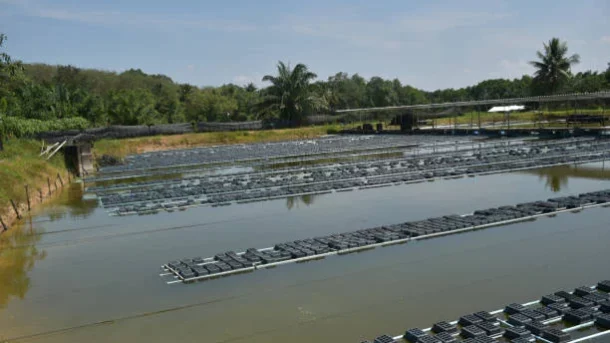
Governments, international organizations, industry stakeholders, and environmental groups have all participated in initiatives to promote sustainable and ethical aquaculture practices. The following are important programmes and techniques:

Certification programmes and standards: To promote ethical aquaculture practices, a number of certification programmes and standards have been created. The Aquaculture Stewardship Council (ASC) accreditation, which establishes environmental and social standards for ethical aquaculture production, is the most well-known. Various parts of ethical aquaculture are covered by other initiatives, such the Global Aquaculture Alliance’s Best Aquaculture practices (BAP) and the Global GAP Aquaculture Standard, which offer standards and certification procedures.

The goal of integrated coastal zone management (ICZM), which includes aquaculture, is to balance the usage of coastal areas with the preservation of ecosystems and natural resources. ICZM

Development of Regulations and Policies: To oversee and support sustainable aquaculture practices, governments are creating regulations and drafting policies. Aspects including site selection, water quality management, feed management, disease prevention and control, and the responsible use of chemicals may be covered by these rules. In order to enforce compliance with laws and encourage best practices, governments also set up licensing and permitting systems.

Better Nutrition and Feed: Sustainable aquaculture practices place a strong emphasis on the creation and application of feeds that lessen dependency on wild fish supplies and contain alternative, ecologically friendly ingredients. To reduce waste and adverse effects on the environment, research is concentrated on improving feed formulations, increasing nutrient utilization, and lowering feed conversion ratios.

How are farmers adapting to changing weather patterns and extreme events?

weather

In order to adjust to shifting weather patterns and harsh events, farmers all around the world are putting numerous ideas and practices into practice. Here are some typical adaptation strategies, though specific methods may vary depending on region, the amount of resources available, and the size of the farm:

Crop diversification: To lessen sensitivity to particular weather conditions, farmers are choosing a wider variety of crops. Farmers can lessen the effect of extreme weather events on their overall agricultural productivity by producing a variety of crops with differing tolerances to drought, heat, or heavy rainfall.

Improved Water Management: During dry spells, farmers can deal with water scarcity by using irrigation systems, water conservation methods, and effective water use. However, installing drainage systems and enhancing water storage can help with managing

Minimal tillage, cover crops, and crop residue management are examples of conservation agricultural practices that can enhance soil health and water retention. These methods improve the soil’s capacity to soak up and hold onto water during dry spells while lowering soil erosion during heavy downpours.

Agroforestry and Windbreaks: Farmers can protect their crops from damaging winds and lessen soil erosion by planting trees or constructing wind breaks. Agroforestry systems, which integrate trees and crops, can offer extra advantages including shade, shelter from the wind, and increased biodiversity.

How are sustainable irrigation practices being promoted and adopted?

sustainable

Various techniques and activities are being used to promote and adopt sustainable irrigation practices. Here are some crucial strategies:

Improved Water Management: Improving farm water management is the first step in promoting sustainable irrigation techniques. Adopting techniques and technology like drip irrigation, precision watering, and micro-sprinklers that maximize water consumption efficiency is part of this. These techniques reduce evaporation and runoff by delivering water directly to the root zone of plants.

Water-Saving Technologies: Using water-saving technologies is essential for long-term irrigation. Soil moisture monitors, weather-based irrigation controllers, and automated irrigation systems are some of these technologies. With the use of these gadgets, farmers can keep an eye on the weather and soil moisture levels, allowing them to irrigate depending on the actual demands of the crop and minimizing water wastage.

Irrigation Scheduling and Crop Water Needs: Proper irrigation scheduling and crop water needs must be made clear to farmers in order to ensure sustainable irrigation. Farmers may maximize water use and reduce over-irrigation by receiving guidance and training on how to choose irrigation timing, frequency, and duration based on crop growth phases and soil conditions.

Implementing water conservation measures coupled with irrigation can help ensure the long-term sustainability of water consumption. The use of mulching to lower evaporation, improving field levelling and soil preparation to prevent water pooling, and using controlled drainage to keep water in the root zone are a few examples of these practices. It’s crucial to maintain irrigation infrastructure properly to reduce water loss from leaks and inefficiencies.

How is the use of robotics and automation improving efficiency in farming operations?

robotics and automation

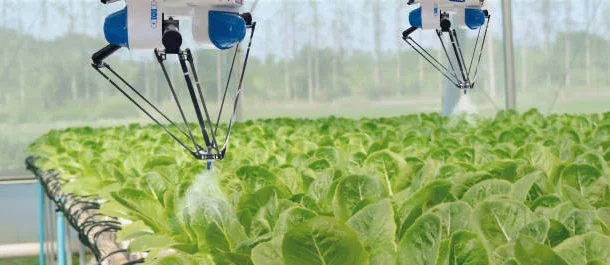
Agriculture is being revolutionized by the use of robotics and automation in farming operations, which boosts production, sustainability, and efficiency. Here are some examples of how robotics and automation are benefiting society:

Precision farming uses robots with sensors, cameras, and GPS to gather information on the soil, the health of the plants, and crop development. Due to the precise decisions that can be made by farmers regarding irrigation, fertilization, and pest management, resources are used optimally, and crop yields are increased.

Robotic vehicles, including self-driving tractors, are able to carry out a variety of operations automatically, including plough, seed, and harvest. These machines run precisely and consistently, which lowers labour costs, reduces room for error, and boosts productivity.

Crop monitoring and management: Unmanned aerial vehicles (UAVs) and drones with imaging sensors may monitor crops in real time, spotting irregularities, illnesses, or nutritional deficits. With less need for manual scouting and better crop management overall, farmers can target specific regions for intervention.

What are the challenges and opportunities in transitioning to a bio-based economy?

bio-based economy

There are potential and challenges associated with the transition to a bio-based economy, where renewable biological resources are employed to produce food, materials, and energy. Here are some crucial things to remember:-

Efficiency and Scale: Increasing bio-based output to satisfy global demand can be difficult. To ensure cost-effectiveness and competitiveness in comparison to conventional fossil-based sectors, manufacturing efficiency must be increased, and supply networks must be optimized.

Technology Development: It’s essential to create and market cutting-edge technology for bio-based production methods. To increase productivity, cut expenses, and maximize resource usage, research and development efforts are necessary.

Feedstock Availability: It is difficult to guarantee a steady supply of biomass for bio-based companies. It is vital to strike a balance between the need for biomass and environmental factors including land use, water availability, and biodiversity preservation.

Frameworks for policy and regulation: Creating enabling policies and rules is crucial for the shift to a bio-based economy. It is necessary to design policies that encourage bio-based production, offer financial assistance, and handle any potential negative social and environmental effects.

How are governments and organizations promoting sustainable agriculture in developing countries?

governments and organizations

In order to encourage sustainable agriculture in emerging nations, governments and organizations are essential. They are assisting in this endeavor in the following notable ways:

Support for Policy: Governments are developing laws and rules to promote sustainable agricultural practices. Incentives for the adoption of sustainable farming practices, including organic farming, agroecology, and conservation agriculture, are part of this. Through rules and regulations, governments also support the preservation and sustainable use of natural resources like biodiversity, water, and land.

Governments and organizations provide agricultural extension workers and farmers with training programmes and capacity-building initiatives. These courses impart knowledge and abilities on sustainable farming methods, such as agroforestry, integrated pest management, water management, and soil conservation. By increasing their technical ability,

For farmers to invest in sustainable agriculture, they must have access to financing and credit. Governments and organizations assist small-scale farmers in gaining access to affordable credit and financial services, such as agricultural loans and microcredit. They also encourage the creation of agricultural funds and guarantee programmes that offer funding and risk-reduction for projects promoting sustainable agriculture.

How is remote sensing used for monitoring water resources in agriculture?

remote sensing

By providing useful data on soil moisture, irrigation effectiveness, water stress, and water availability, remote sensing plays a critical role in monitoring water resources in agriculture. Here are some examples of how remote sensing is applied to monitoring agricultural water resources:

Soil Moisture Monitoring: To determine the amount of soil moisture in agricultural fields, remote sensing techniques including passive and active microwave sensing are used. Spatial and temporal data on soil moisture levels by measuring the electromagnetic signals that are reflected or emitted by the soil. By using this knowledge, farmers can plan their irrigation systems and use water more efficiently by knowing when and how much water to apply.

Assessment of Irrigation Efficiency: By measuring crop water use and water stress, remote sensing enables the evaluation of irrigation efficiency. Calculating crop evapotranspiration (ET) rates involves examining the thermal characteristics of plants to determine water usage. Changes in irrigation timing or methods may be necessary if deviations from the norm in ET rates are a sign of water stress or ineffective irrigation tactics.

Water Availability Mapping: By keeping an eye on bodies of surface water, such as lakes, reservoirs, and rivers, remote sensing may gather data on water availability. Water extent, water levels, and changes in water bodies over time can all be measured by satellite-based sensors. This information aids in determining the amount of water available for irrigation needs and efficient use of water resources.