Water conservation

 What are the advantages of using drip irrigation systems?

drip irrigation systems

Comparing drip irrigation systems to conventional irrigation techniques, there are a number of benefits. Some of the main benefits of employing drip irrigation are as follows:

Water Efficiency: Drip irrigation uses water very effectively. It minimizes evaporation and reduces water loss through runoff or deep percolation by delivering water directly to the plant’s root zone. Water resources are conserved while ensuring that plants receive the essential moisture thanks to this precise application of water.

Water Application Precision: Drip irrigation allows for precise water application management. Water is distributed precisely and uniformly across the field via emitters or drip tapes because the water is released at a slow, steady rate. With less over-irrigation and less water stress on plants, this precision aids in the efficient use of water.

Reduced Weed Growth: Drip irrigation avoids wetting the entire field surface by delivering water directly to the crop’s root zone. This lessens the amount of moisture that weeds may get, reducing weed germination and growth. Farmers can thus save money on labor and pesticide expenses related to weed control.

Efficiency in terms of nutrients: Fertigation, or mixing fertilizer with irrigation water, can be incorporated into drip irrigation systems. In order to ensure effective nutrient uptake by plants, this enables accurate and targeted nutrient delivery to the root zone. Leaching and runoff nutrient losses are reduced, increasing the effectiveness of fertilizer application.
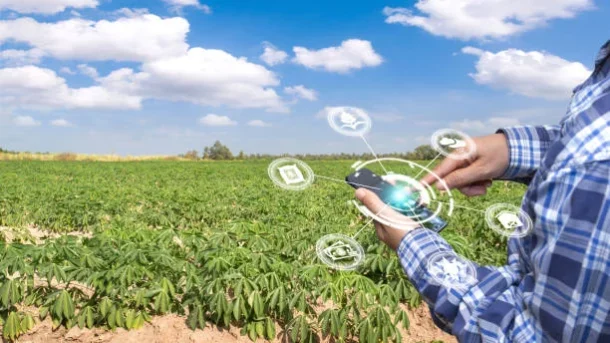
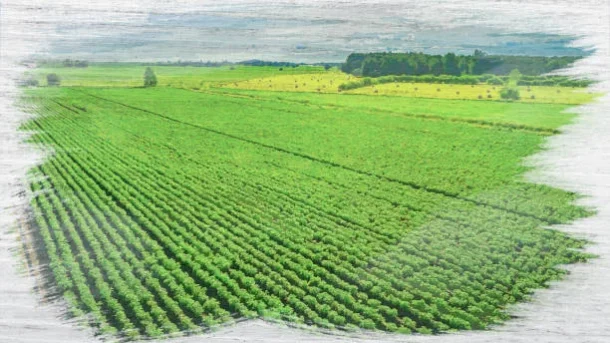
 How can climate-smart agriculture mitigate the impact of climate change on crops?

climate-smart agriculture

A variety of techniques can be used in climate-smart agriculture to lessen the effects of climate change on crops. Here are a few ways that climate-smart agriculture might lessen the effects of climate change:

Adaptation to Changing circumstances: The focus of climate-smart agriculture is on adopting techniques that increase crops’ resistance to changing climatic circumstances. For example, choosing and breeding crop varieties that can withstand heat, drought, or waterlogging. Farmers can lessen the negative effects of climate change on crop productivity by selecting the right crop kinds.

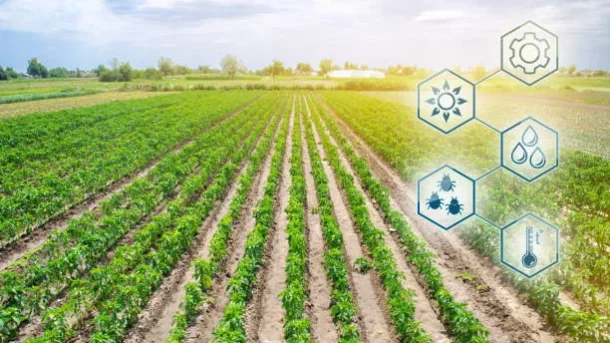
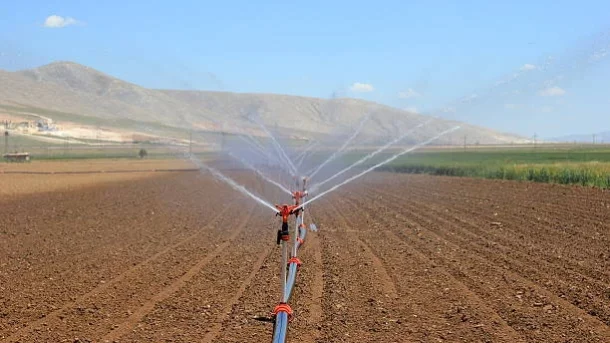
Water Management is Improved: Climate-smart agriculture encourages effective water management techniques. Water is conserved and crop water stress is decreased by using methods like precision irrigation, mulching, and drip irrigation. Crops can endure droughts better by maximizing water consumption and reducing water loss.

Conservation agricultural: By enhancing soil health and moisture retention, conservation agricultural techniques including minimal tillage, cover crops, and crop rotation help reduce the effects of climate change. These techniques boost soil organic matter content, decrease soil erosion, and increase water infiltration. Drought, temperature changes, and other harsh weather occurrences are less likely to damage healthy soils.

Agroforestry and Windbreaks: By including trees or windbreaks in agricultural landscapes, crop damage from climate change can be reduced. Crops are shielded from high heat or wind damage by trees’ provision of shade, control of microclimates, and reduction of wind speeds. Additionally, agroforestry systems capture carbon dioxide, reducing greenhouse gas emissions.

What are the challenges and benefits of adopting climate-smart agriculture practices?

climate-smart agriculture

Adopting climate-smart agricultural techniques has advantages and disadvantages. The following are some of the main drawbacks and advantages of adopting climate-smart agriculture:

Challenges:

Knowledge and Awareness: Making sure farmers have access to the information they need regarding climate-smart practices is one problem. Understanding the effects of climate change, effective adaptation measures, and the potential advantages of implementing climate-smart agriculture are all included in this.

Financial Resources: Putting climate-smart strategies into effect frequently necessitates investments in new infrastructure, technologies, or training. For farmers, especially small-scale farmers, a lack of financial resources can be a major obstacle to implementing climate-smart agriculture.

Technical Capacity: Using climate-smart activities may call for learning new abilities, using new tools, and having new technical knowledge. It can be difficult to give farmers the instruction and support they need to improve their technical proficiency, particularly in areas with few extension services or sources of agricultural advances.

For farmers to successfully apply climate-smart practices, they require access to quality seeds, fertilizer, water supplies, and other inputs. Particularly in isolated or underdeveloped locations, a lack of access to these resources can impede the implementation of climate-smart agriculture.

Benefits:

Climate Resilience: Climate-smart agriculture makes farming systems more resistant to the effects of climate change. It consists of steps to adapt to shifting climatic conditions as well as activities that reduce greenhouse gas emissions. Farmers can overcome climate-related hazards and keep up agricultural productivity thanks to their resilience.

Productivity Gains: Climate-smart farming techniques frequently boost agricultural output. Conservation agriculture, agroforestry, and precision farming are examples of practices that maximize resource usage, boost soil health, and improve water management. These methods help to increase crop yields, crop quality, and farm income.

What are the advantages of using biological pest control methods?

biological pest control

Biological pest control techniques have a number of benefits over traditional chemical-based pest control strategies. The following are some major benefits of biological pest control:

Environmental safety: Biological pest management techniques are safe for the environment with little risk to non-target species, beneficial organisms, and ecosystems. Biological control methods are unique to the target pest and have minimal effects on non-target organisms, in contrast to chemical pesticides, which can have negative environmental effects.

Biological pest management lessens the need for synthetic pesticides, reducing the amount of chemicals used in agriculture. By doing this, the likelihood of pesticide residues in food, soil, water, and crops is reduced. It supports organic farming methods and works to preserve a more wholesome and natural agricultural ecosystem.

Pest control that is specifically targeted: Biological control agents are frequently quite specific to individual pests or pest groupings. Beneficial insects, pollinators, and other non-target organisms are not damaged whereas pest species are the only ones they target. This targeted precision lowers the possibility of upsetting the ecosystems’ natural balance and promotes biodiversity.

Biological pest control techniques provide long-term solutions for pest management. Contrary to chemical pesticides, which can cause pests to develop pesticide resistance over time, biological control agents frequently contain a variety of modes of action that make it less probable for pests to do the same. Long-term, this offers viable and efficient pest control methods.

What are the key factors affecting crop growth and development?

development

Crop development and growth are influenced by several important elements. Depending on the particular crop, the surrounding environment, and management techniques, these variables can change. Here are a few of the most important elements:

Light: Photosynthesis, the process by which plants transform light energy into chemical energy to support their growth, depends on light. Numerous elements of plant growth, including the formation of leaves, flowering, and fruiting, are influenced by the kind, intensity, and duration of light. varying crops have varying needs for light, and too little or too much light might impede their growth.

Temperature: Temperature has an impact on how quickly biochemical processes occur in plants, which in turn impacts their growth and development. Each type of crop has a particular temperature range in which it can grow. Germination, flowering, pollination, fruit set, and ripening are all impacted by temperature. 

Water availability: For crops to thrive, there must be enough water available. Water is necessary for photosynthesis, nutritional absorption, and nutrient transfer inside of plants. Drought stress, often known as insufficient water, can cause diminished growth, wilting, and even crop loss. On the other hand, excessive moisture or poor drainage can result in waterlogging, which harms roots and robs them of oxygen.

Fertility of the soil and nutrients: For proper growth and development, plants need a variety of nutrients. These include micronutrients like iron (Fe), zinc (Zn), and manganese (Mn), as well as macronutrients like nitrogen (N), phosphorus (P), and potassium (K). Crop growth is directly impacted by the availability and balance of these nutrients in the soil. To achieve the nutrient requirements, proper soil fertility management is necessary, including the use of fertilizers or organic amendments.

What is the role of cover crops in regenerative agriculture?

regenerative agriculture

By offering a variety of advantages for soil health, nitrogen management, weed suppression, erosion control, and biodiversity restoration, cover crops play a critical role in regenerative agriculture. The main functions of cover crops in regenerative agriculture are as follows:

Improved soil health is a result of cover crops’ higher organic matter content and better soil structure. When cover crops are cultivated, their root systems aid in forming pores and channels in the soil, which improves root penetration, water infiltration, and aeration. As cover crops rot, they add organic matter to the soil, boosting microbial activity, soil fertility, and nutrient cycling.

Cycling and availability of nutrients: Cover crops serve as living mulches that draw nutrients from the soil profile and recycle them. They scavenge and absorb surplus nutrients, stopping leaching and releasing them for later income crops. When cover crops are removed, the nutrients are then made available to the subsequent crop. This nutrient cycle lessens the need for synthetic fertilizers, increases the effectiveness of nutrient utilization, and aids in preserving the soil’s balanced nutrient levels.

Suppression of weed development: By competing with weeds for nutrients, water, and light, cover crops can effectively stifle weed growth. By covering the ground with a thick layer of vegetation, they prevent weeds from emerging and growing as much. Herbicide use is decreased due to this natural weed suppression, and succeeding crops are subject to less weed pressure.

 What is biochar and how is it used in agriculture?

biochar

By heating biomass (such as wood, agricultural waste, or organic waste) in a low-oxygen environment via a technique known as pyrolysis, a porous, carbon-rich substance known as biochar is created. The biomass is transformed into a stable form of charcoal by this process. Both horticulture and agriculture can benefit from the addition of biochar to the soil.

Biochar is largely employed in agriculture due to its beneficial effects on the fertility and health of the soil. Using biochar in agriculture looks like this:

Biochar is used as a soil amendment to enhance the physical, chemical, and biological qualities of the soil. It improves the availability of nutrients, water retention, and soil structure. Biochar’s porous structure serves as a habitat for helpful microbes, enhancing soil fertility and fostering soil biodiversity.

Retention of nutrients: Due to its high cation exchange capacity (CEC), biochar is able to draw in and hold onto nutrients, avoiding leaching and nutrient runoff. As a result, agricultural systems may require less fertilizer and use nutrients more effectively.

Water management: Biochar’s has a high water-holding capacity, which enables it to keep moisture in the soil and lower evaporation rates. This can be especially helpful in desert or drought-prone areas since it promotes water conservation and increases plant survival during dry spells.

Regulation of pH: Biochar functions as a pH regulator by buffering the pH of the soil. It can assist in neutralizing acidic or alkaline soils, improving the environment for plant growth and nutrient availability.

How does CEA optimize resource utilization?

resource

Controlled environment agriculture (CEA) effectively manages inputs like water, energy, nutrients, and space to maximize resource usage. Here is how CEA systems optimize resource:

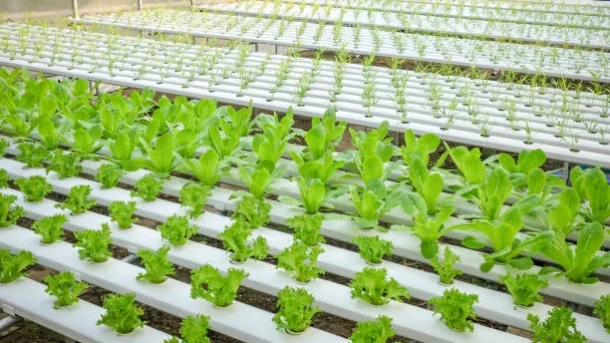
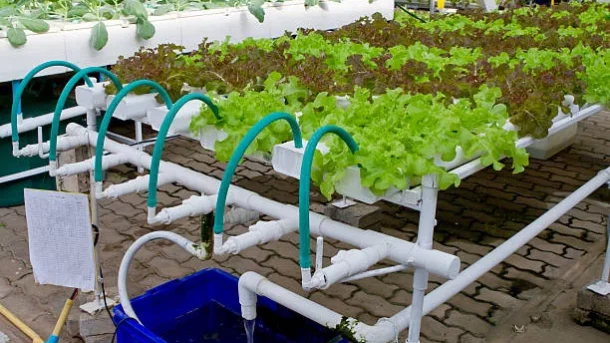
Efficiency in terms of water use: Compared to conventional agriculture, CEA systems use less water. Water is reused within the system through technologies like hydroponics and recirculating irrigation systems, lowering overall demand. Recirculating nutrient-rich water reduces surplus discharge. Furthermore, CEA permits precision irrigation management, providing water to the root zone directly, avoiding evaporation, and eliminating water waste.

Energy effectiveness: CEA systems put an emphasis on energy-efficient procedures to lower energy usage. It is usual to utilize LED lighting because it uses the least amount of energy while yet giving the right kind of light spectrum for plant growth. In order to maximize energy efficiency, climate control systems use insulation.

Management of nutrients: CEA systems, particularly hydroponic and aquaponic ones, maximize nutrient uptake by giving plants precisely the right amounts of nutrients. Plants are able to efficiently absorb the necessary nutrients thanks to the careful formulation of nutrient solutions and their delivery to the roots. This targeted distribution reduces nutrient loss and leaching, improves nutrient uptake, and has a smaller negative impact on the environment.

Space usage: CEA systems maximize space utilization, especially in cities or other places where there is a shortage of available land. High plant densities are possible with vertical farming, which grows plants in stacked layers or shelves to make efficient use of vertical space. By removing the need for soil and allowing plants to grow in a smaller area, hydroponic and aeroponic systems maximize available space. Increased space efficiency allows CEA systems to produce more food in a less amount of space.

What are the benefits of aquaponics?

aquaponics

Comparing aquaponics to hydroponics or standalone aquaculture, as well as traditional agriculture, there are various advantages. The following are some of the major advantages of aquaponics:

Utilizing resources effectively: By integrating plant and fish cultivation in a symbiotic system, aquaponics increases resource efficiency. By recycling the nutrients in fish waste and using them as fertilizers for plant growth, the demand for external inputs like synthetic fertilizers is decreased. Water is continuously recirculated between the fish tanks and the plant beds in the closed-loop system to reduce water usage. Aquaponics is incredibly sustainable and environmentally benign due to this effective resource usage.

Water usage is decreased since aquaponics need so little water to operate. With just minor water losses from evaporation and transpiration, the system continuously recycles the water. 

Produce that is chemical- and organic-free: Aquaponics encourages organic farming methods because it does away with the need for artificial fertilizers, pesticides, and herbicides. Natural nutrients from fish waste are used by plants to develop, and the plants also serve as a biological filter to clean the water for the fish. Produce produced as a result is chemical-free and naturally cultivated, which may appeal to consumers looking for wholesome and sustainable food options.

Crop production all year round: Aquaponic systems can be installed in climate-controlled spaces like greenhouses or indoor facilities. This makes crop production year-round and independent of seasonal changes and outside weather conditions. Farmers can establish ideal growth conditions by regulating the temperature, humidity, and lighting, providing a steady supply of fresh vegetables all year long.

How does aquaponics combine fish farming and plant cultivation?

fish

Hydroponic plant cultivation and fish farming are combined in aquaponics to create a symbiotic ecosystem that benefits both the plants and the fish. These two elements are combined in aquaponics as follows:

Aquaculture, or the raising of fish:

In tanks or ponds, fish are raised as a source of protein and as a source of revenue.

The fishes excrete solid waste and urine that is high in ammonia.

Ammonia is transformed by helpful bacteria in the system into nitrites, which are then converted into nitrates, which are nutrients for plants.

Growing plants in hydroponic systems:

In a soilless media like gravel, expanded clay pellets, or a floating raft system, plants are grown.

The plants are positioned in grow beds or channels with nutrient-rich water flowing over their roots.

The nutrients from fish excrement are cycled in the water too.

Following is a succinct summary of the symbiotic relationship between fish and plants in aquaponics:

Exchange of nutrients: The ammonia-containing fishes feces serves as a source of nitrogen for the plants. Beneficial bacteria transform ammonia into nitrites and nitrates. The plants use these nitrates as their main source of nutrition, which helps to accelerate their growth.

Water filtration and purification: Plants serve as natural filters that remove harmful impurities like ammonia and excess nutrients from the water. The roots of the plants collect nutrients as the water flows through the plant beds, purifying and enhancing the water’s quality. A continuous cycle is then maintained by returning the cleansed water to the fish tanks.