Water conservation

What is the primary goal of the National Mission on Sustainable Agriculture (NMSA) in India?

Sustainable Agriculture

The National Mission on Sustainable Agriculture (NMSA) in India was established with the main objective of promoting sustainable agricultural practices and improving the climate change resilience of farming systems. One of the eight tasks included in the Government of India’s National Action Plan on Climate Change (NAPCC) is NMSA.

The National Mission on Sustainable Agriculture’s main goals are as follows:

NMSA intends to assist farmers in adjusting to the negative effects of climate change on agriculture. It focuses on applying climate-resilient techniques that lessen the susceptibility of agricultural systems to risks associated with the climate, such as drought, floods, heat stress, and altered rainfall patterns.

Water management: To maximize the use of water in agriculture, the mission places a strong emphasis on effective water management techniques. It encourages adoption.

Soil health and conservation: The National Mission on Sustainable Agriculture aims to enhance soil health and advance environmentally friendly methods of soil management. It promotes the use of biofertilizers, organic manures, and conservation farming methods like integrated nutrient management, crop residue management, and zero tillage to increase soil fertility and prevent erosion.

The mission strives to preserve agricultural biodiversity and encourage the cultivation of crop types that are climatically adaptable. It promotes the use of agro-ecological practices, diverse cropping systems, and the preservation of traditional and native crop varieties to increase agricultural resilience and sustainability.
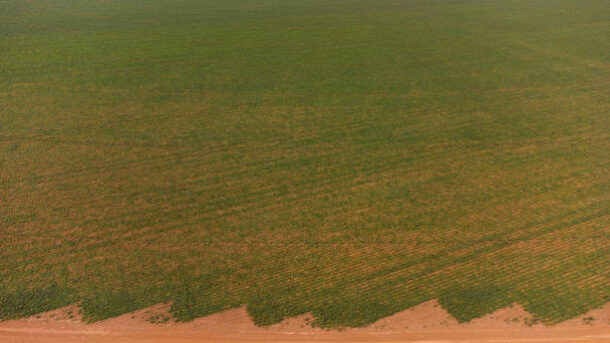
How does climate variability affect the quality and yield of agricultural products?

climate variability

Crop output: climate variability , such as shifts in temperature and precipitation patterns, can have a direct effect on crop output. Droughts, heatwaves, floods, and storms are examples of extreme weather conditions that can impair crop productivity and reduce yields. Temperature extremes and insufficient or excessive rainfall can have a negative impact on plant growth, flowering, pollination, and fruit set, which eventually affects the amount of harvested crops.

Quality of Agricultural Products: The quality of agricultural products can also be impacted by climate change. Variations in temperature can have an impact on a crop’s chemical makeup, nutritional value, and flavor, especially during critical growth periods. For instance, cereals with high grain filling temperatures may have lower quality and lower protein content. Fruits and vegetables’ size, color, texture, and flavor can all be affected by erratic rainfall patterns.

Pests and illnesses: The frequency and geographic distribution of pests and illnesses in agricultural systems are influenced by climate variability. Temperature and humidity variations can foster the development of pests and diseases, increasing infestation rates and causing crop loss. The life cycles and population dynamics of pests can also be impacted by variations in rainfall patterns, potentially amplifying their negative effects on crops.

Water Availability: Crop growth and output can be impacted by the availability of water for irrigation due to climate fluctuation. Water shortage can cause water stress in plants, which can have an impact on their development and output during times of low rainfall or protracted droughts. Crop failure and decreased yields can result from insufficient water availability, which can also restrict the capacity to irrigate crops.

Are there specific regions that are more vulnerable to climate change in terms of agriculture?

vulnerable to climate change

Small Island States: Small island states are extremely vulnerable to climate change, especially those that are found in the Pacific and Caribbean. They are confronted with difficulties like rising sea levels, stronger storms, saltwater intrusion, and coastline erosion. Due to the degradation of arable land, contamination of freshwater supplies, and increased risk of crop and livestock losses, these variables have a direct impact on agriculture.

Sub-Saharan Africa: The effects of vulnerable to climate change on agriculture are already being felt in many Sub-Saharan African nations. These areas already struggle with issues including poverty, lack of access to resources, and food security. These problems are made worse by climate change’s increased frequency of droughts, unpredictable patterns of precipitation, and rising temperatures. Such circumstances make farming more difficult, which can decrease agricultural productivity and raise food insecurity.


South Asia: The effects of climate change on agriculture are extremely vulnerable in South Asian nations such as India, Pakistan, Bangladesh, and Nepal. Agriculture is a major source of income and food security in the area. Crop production is significantly hampered by rising temperatures, shifting monsoon patterns, and water scarcity, particularly in areas that rely largely on irrigation. The region’s agricultural systems are already vulnerable to heatwaves, floods, and storms.

Central America: El Salvador, Guatemala, and Honduras are among the nations in this region that are most vulnerable to the effects of climate change on agriculture. These areas experience more violent hurricanes, irregular rainfall, and increasing frequency and intensity of droughts. In these nations, agriculture, especially small-scale farming, is a substantial source of revenue and employment. Crop failures and loss can result from climate change.

How do climate conditions affect the timing of planting and harvesting?

planting and harvesting

Temperature: The right time to grow and harvest crops is greatly influenced by temperature. For best growth and development, various crops require particular temperature ranges. When deciding when to start planting and harvesting, farmers take the typical temperatures during particular times, such as spring or fall, into consideration. When the soil has adequately warmed up, crops that need higher temperatures, such maize or tomatoes, are often planted. Similar to this, to prevent damage, crops that are vulnerable to frost, such some vegetables, are often planted after the final anticipated frost date.

Frost-Free Period: The amount of time between the last spring frost and the first fall frost, known as the “frost-free period,” affects the growing season and establishes when to plant and harvest.


Rainfall: Successful seed germination and early crop growth depend on sufficient soil moisture. When choosing when to plant, farmers take into account the frequency of rainfall and the accessibility of water for irrigation. In seasons with minimal rainfall, planting too early can lead to poor germination, and planting later in a season with plenty of rain can lead to yield losses since the growing season is reduced.

Growing degree days (GDD) are a measurement of the amount of heat that has collected above a certain temperature threshold. They give an estimate of the amount of thermal time needed for crop development and growth. GDD calculations are used by farmers to monitor crop growth and choose the best window for planting and harvesting.

What are the potential impacts of climate change on water availability for agriculture?

water availability

Precipitation Pattern Changes: As a result of climate change conditions, precipitation timing, intensity, and distribution may all vary. Some areas might see an increase in precipitation, which would lead to more frequent and severe storms and flooding events. Other areas might experience reduced rainfall and protracted droughts. The customary supply of water availability for agriculture may be disrupted by these changes, which will make irrigation and crop watering requirements more difficult.

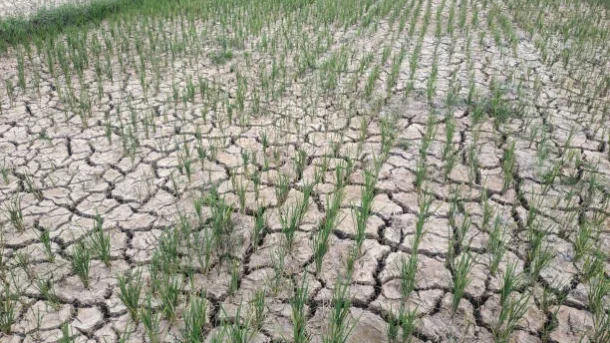
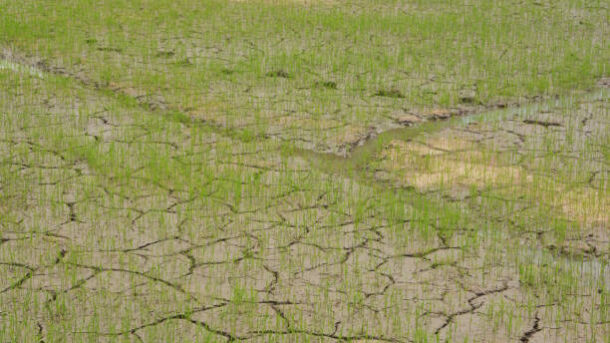
Droughts and Water Scarcity: Drought conditions might get worsened in many places due to rising temperatures and shifting precipitation patterns. Droughts cause crops to have less access to water and less soil moisture, which causes water stress and lower agricultural output. Farmers may have trouble getting enough water for irrigation in areas that are prone to drought, which can lead to output losses and crop failures.

Increased Evaporation and Transpiration: As a result of climate change, temperatures are rising, which causes soil, water, and agricultural evaporation rates to increase. This enhanced evaporation can worsen water loss from agricultural systems when combined with higher rates of plant transpiration. It implies that more water is needed to meet crop water requirements, thereby taxing water supplies and escalating problems with water scarcity.

Changes in Snowmelt and Glacier Retreat: Snowmelt and glacier-fed rivers are a major source of irrigation for many agricultural regions. Snowfall timing, quantity, and glacier retreat can all be affected by climate change. These modifications have an impact on melt water availability, which disrupts the natural water supply for agriculture.

Are there specific crops that are more resilient to changing climates?

specific crops

Millets: Millets, including finger millet, sorghum, and pearl millet, are renowned for their resistance to heat, drought, and poor soil. They can acquire water and nutrients from deeper soil levels because to their extensive root systems. Millets are appropriate for areas with a limited supply of water because they are also very nutritive and have a short growing season specific crops.

Legumes: Through symbiotic partnerships with nitrogen-fixing bacteria, legumeous specific crops like soybeans, lentils, and chickpeas have the capacity to fix nitrogen from the atmosphere. This characteristic enables plants to flourish on nutrient-poor soils and lessens the requirement for nitrogen fertilizers. Legumes are renowned for their resistance to drought and for fixing nitrogen in the soil, which increases soil fertility.

Root Crops: Because they can withstand drought and thrive in a variety of soil types, root crops like yams, sweet potatoes, and cassava are frequently tolerant of climate change. These plants can survive variations in rainfall patterns and still yield quantities that can be harvested. During times when there is little access to water, their storage organs, such as tubers and roots, serve as a source of food and nutrients.

Quinoa: Quinoa is a very adaptable crop that can grow in a variety of climates, including places with little access to water and high altitudes. It is renowned for its nutritive content, capacity to grow in a variety of soil types, and resistance to heat, frost, and dry circumstances.

How does climate variability and extreme weather events impact farming?

climate variability

Crop Yields: Crop yields can vary as a result of climate variability, which includes changes in temperature and precipitation. The timing of planting, flowering, and harvesting can be messed up by inconsistent or unusual weather patterns, which can hinder crop development and lower yields. Extreme weather conditions including droughts, floods, heat waves, and storms can seriously harm crops and reduce yields.

Water Availability: The availability of water for agriculture is impacted by climate change. Water scarcity and drought situations can result from altered precipitation patterns and higher evaporation rates brought on by rising temperatures. Irrigation systems, crop water needs, and general water management practices are all impacted by decreased water availability. By using effective irrigation methods, water-saving strategies, and water-storage systems, farmers may need to adjust.

Outbreaks of pests and illnesses: In agricultural systems, climate variability affects the frequency and severity of pests and diseases. The life cycles, geographic distribution, and quantity of pests and disease vectors can all be impacted by changes in temperature and humidity patterns. Variations in the dynamics of pests and diseases can raise the danger of outbreaks, leading to crop losses and damage. According to shifting climatic conditions, farmers must keep an eye on and manage pests and illnesses.

Extreme weather conditions, such as prolonged periods of heavy rain and storms, can result in soil erosion, which depletes nutrients and reduces soil fertility. Flooding can also cause waterlogging and soil saturation, which can harm roots and reduce their ability to absorb nutrients. Crop productivity is adversely affected by soil erosion and deterioration, necessitating soil conservation.

What are the effects of rainfall patterns on agriculture?

rainfall patterns

Crop Growth and Yields: For crops to grow and yield, there must be sufficient and evenly distributed rainfall. Water from rainfall patterns is crucial for plants to use for physiological functions including photosynthesis and nitrogen uptake. Reduced crop yields, water stress, and stunted development can all be effects of insufficient rainfall. On the other hand, heavy rainfall can reduce agricultural output by resulting in waterlogging, root damage, and increased susceptibility to diseases.

Needs for irrigation and soil moisture are determined by rainfall patterns, which are essential for crop development. Rainfall that is regular and moderate refills the moisture in the soil, creating ideal circumstances for plant growth. Farmers may need to supplement irrigation in areas with insufficient rainfall to meet crop water needs. Care must be taken since irregular or erratic rainfall patterns can result in unequal soil moisture distribution.

Water Stress and Drought: Prolonged dry spells can result from insufficient precipitation. Droughts can seriously affect agriculture, leading to crop failures, decreased yields, and financial losses. Drought-induced water stress can alter plant physiology and cause wilting, leaf senescence, and decreased nutrient uptake. Crop varieties that can withstand droughts and effective irrigation techniques can lessen the effects of water constraint.

Decisions Regarding Planting and Harvesting: Farmers base their planting and harvesting decisions on rainfall patterns. To choose the best time to sow various crops, they take into account the start and length of rainy seasons. Rainfall that is irregular or late can delay planting, which will have an impact on crop growth and yields. Similar to how weather patterns during harvest might affect harvesting activities and post-harvest processing procedures.

What are the main climate factors that influence agricultural productivity?

influence

Temperature: Crop growth and development are greatly influence by temperature. The ideal temperature for germination, vegetative growth, blooming, and fruiting varies depending on the crop. Crop yields and quality can be significantly impacted by extreme temperatures, such as heatwaves or frost occurrences. The time of planting and harvesting activities is also impacted by temperature.

Precipitation: For crops to develop, there must be sufficient and timely precipitation. Reduced crop yields, drought conditions, and plant water stress can all result from insufficient precipitation. On the other hand, an abundance of rain can cause nutrient leaching, soil erosion, and waterlogging. Crop choices, the requirement for irrigation, and water management measures are all influence by the quantity, distribution, and timing of precipitation.

Seasonality: The length and timing of the seasons play a significant role on the productivity of the agricultural sector. The amount of time available for crop growth and yield formation depends on the length of the growing season. Crop rotation techniques, planting dates, and crop choice are all impacted by seasonality. Decisions on agricultural planning and management may be impacted by changes in seasonality patterns.

Solar Radiation: The energy required for photosynthesis, which fuels crop growth and production, is provided by solar radiation, notably in the form of sunshine. Crop yields and the buildup of biomass are influenced by the length and intensity of sunshine. The effectiveness of plants’ photosynthetic processes and the production of plant sugars are both impacted by solar radiation.

How does climate impact agricultural practices?

climate impact

Temperature: Crop growth and development are impacted by temperature. The ideal temperature for germination, vegetative growth, blooming, and fruiting varies depending on the crop. Crops can be harmed or even destroyed by extreme temperatures, such as heatwaves or frost occurrences. climate impact change-related changes in temperature patterns can affect whether crops grow well in particular places and may need adjusting planting times and crop choices.

Precipitation: For crops to develop, there must be sufficient and timely precipitation. Reduced crop yields, drought conditions, and plant water stress can all result from insufficient precipitation. On the other hand, an abundance of rain can cause nutrient leaching, soil erosion, and waterlogging. The need for irrigation, crop choices, and overall water management practices in agriculture can all be impacted by changes in precipitation patterns, including variations in timing and severity.

Seasonal Variability: The length and timing of seasons, including the length of growing seasons and dormant periods, are influenced by the climate. Crop selection, planting dates, and crop rotation techniques are all impacted by the availability of adequate growing seasons. Farming schedules can be thrown off by climate impact variability, which includes changes in the start and end dates of the seasons.

Water Resources: Surface water and groundwater availability and distribution are influenced by the climate. For the production of crops, livestock, and irrigation, water availability is essential. Farmers may need to adopt effective irrigation methods, water conservation practices, and better water resource management strategies as a result of changes in precipitation patterns and temperature.