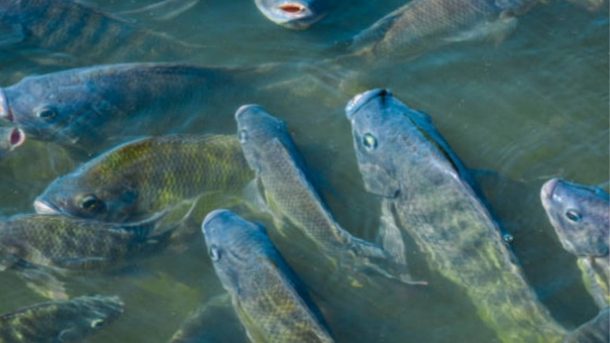
Tilapia cultivation is extremely profitable and the industry in India is rapidly expanding. Anyone can make a six-figure income in the tilapia industry, with basic education on it. In most nations, tilapia aquaculture which originated in the Middle East and Africa, has become the most successful enterprise. Tilapia is the second most popular seafood after crab, and its production is becoming as a result. It has joined the ranks of top selling species such as shrimp and salmon.
Livestock
Which species are best for Bio floc fish farming?
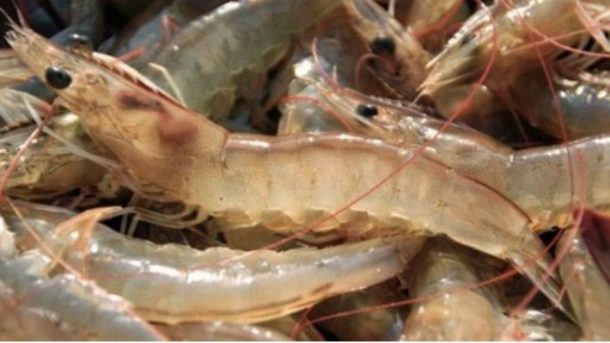
Bio floc systems work best with species that are able to derive nutritional benefit from the direct consumption of floc. Bio floc systems are most suitable for species that can tolerate high solids concentration in water and are generally tolerant of poor water quality. Almost all Bio floc systems are used to grow shrimp, tilapia or carps. Some of the species like hybrid stripes bass and channel catfish are main examples of fish that are not suitable for Bio floc systems as they do not tolerate water with high solids concentrations and they do not have adaptations to filter solids from water.
How Biofloc is useful in fish farming?
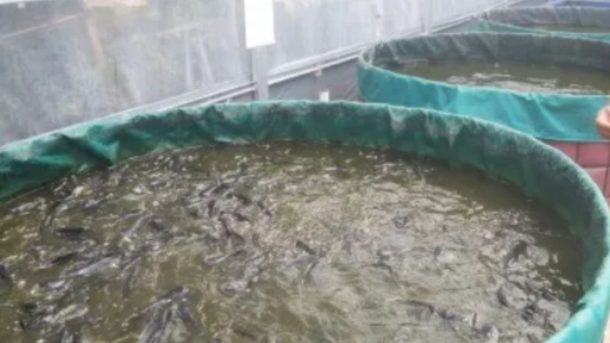
In the aquaculture system, the strong influential factors are the feed cost and the limiting factors is the water or land availability and high stocking density and rearing of aquatic animals require wastewater treatment.
The problem of extensive fish culture in ponds is to keep the water quality and before bioflocs way was to recycle 10 % of the water frequently. But in some places, Water is not present in abundance and replacing the old water with a new one disturbs the growth of fish. So, Biofloc came to solve all these difficulties.
How are the fisheries resources in Gujarat?
Gujarat is the top position in the fisheries sector and then it covers 1/5th part of India along the coast as well as it is exclusive economic zone. It mainly contributes about 20 % of total marine production. It has a long coastline extending to 1600 km accounts for 19.70% of the total coastline of the country. It has a continental shelf area of 0.18 million Sq.km, an Exclusive Economic Zone (EEZ) of 0.214 sq., which occupies 32% of the continental shelf area and 10% of the total Exclusive Economic Zone.
The fisheries resources of Gujarat include Elasmobranchs, Bombay ducks, Sciaenids, Shrimps, Seer fishes, Tunas, Catfishes, Lizard fishes, Threadfin Breams, Pomfrets, Bull’s eyes, Carangids, Anchovies, Ribbon fishes, Croakers, Prawns, Lobsters, and Cephalopods.
What should be the quality of water for shrimp farming?
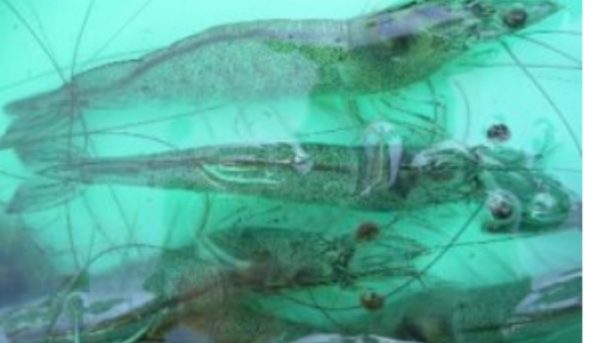
Shrimp farming needs best quality water in terms of oxygen levels. The pond or tank in which shrimp are farmed should be aerated 24 hours a day,7 days a week. The other parameters of water that are equally important are temperature, pH, alkalinity, hardness etc. The pH of the water should always be less than 10 because beyond this level it causes mortality.
What feed is given to the farmed shrimp?
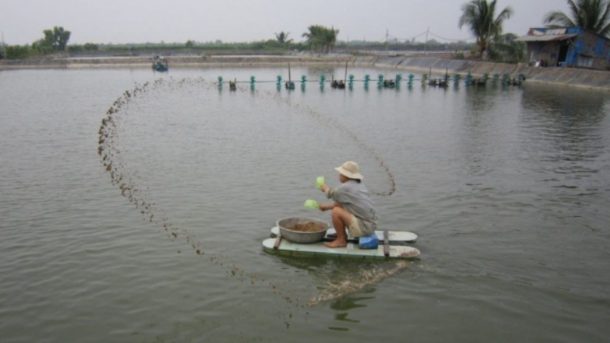
Feed for the shrimp should contain a minimum recommended protein content of 32-45%. The percentage of feed depends on the size of shrimp. The diet should include protein, lipid, carbohydrates, vitamins, minerals etc.
What is a silo?
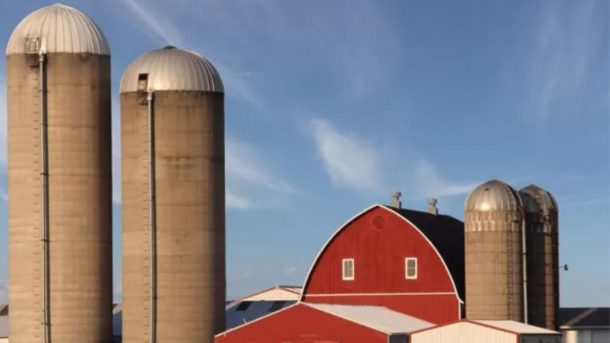
The tall, cylinder-shaped farm structures known as silos are used to store silage, which is animal feed. Silage is moist feed made from green crops that ferment when stored in an airtight place. This fermentation process preserves the feed, which is used along with or instead of hay (dried grasses) to feed livestock (horses, cattle, sheep) during the winter when they cannot feed in green pastures. Silage gives farm animals needed nutrients. Before farmers started to raise food crops to feed their livestock (during the 18th century), they had to kill most of their animals when winter approached, because grass in pasturelands stopped growing and the animal’s faced starvation. But herds of livestock could be kept year-round once farmers began to grow crops for winter feed. Root crops like turnips, as well as leafy crops, were sometimes used. Today, corn is the crop most often used for silage.
What is kadaknath and what are the benefits of rearing this kadaknath breed?
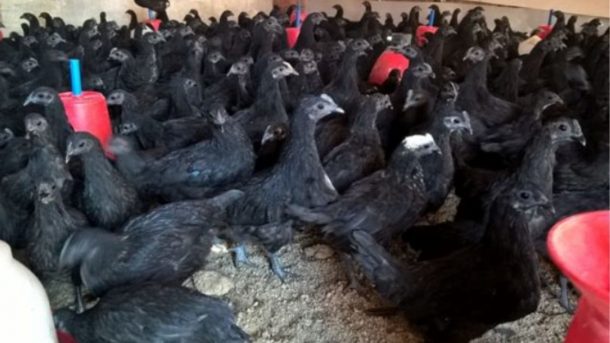
Kadaknath is one of the rarest poultry breeds of India which is native to Jhabua district of Madhya Pradesh. This breed is popular for its black meat and known as BMC (black meat chicken). It is famous for its meat quality, texture and taste. The demand for kadaknath chicken is growing day by day and spread across most of the Indian states due to their excellent medicinal values. Especially these birds bear great medicinal value in homeopathy and useful in treating a particular nervous disorder. Kadaknath chicken meat is in black colour and eggs are in brown colour. The new kadaknath production technology has reduced the mortality rate from greater than 50%. Now one can expect 10 to 12% of mortality, this enhanced the survival percentage and overall profits in kadaknath chicken farming.
What is mastitis in cattle ?
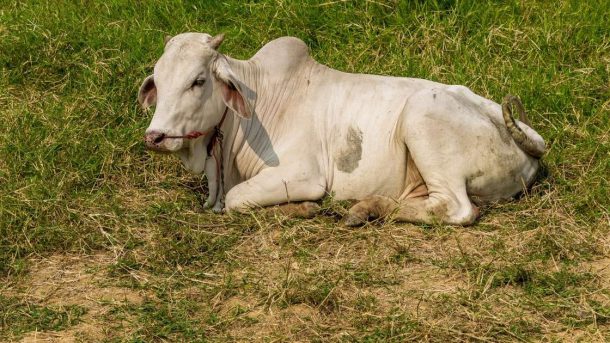
Mastitis is a condition in which the mammary gland becomes inflamed. Physical, chemical, and microbiological changes occur in milk, while physical and pathological changes occur in mammary glandular tissue. Infected milk changes colour, consistency, and has a higher concentration of leucocytes.
How farmers feed lactating cows ?
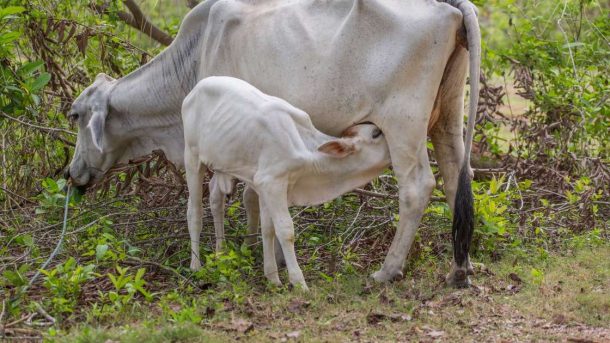
Dairy cattle should be fed in such a way that there is minimal nutrient waste and optimum milk production returns. Protein supplements such as oil cakes, energy sources such as cereal grains (maize, jowar), tapioca chips, and laxative feeds such as brans (rice bran, wheat bran, gramme husk) are commonly utilised in a concentrate mixture. A mineral mixture containing all main and trace elements should be introduced at a concentration of 2%.