Livestock

How Pumps and flow of water occurs in RAS fish farming?

flow

In recirculating aquaculture systems, there should be a constant flow of water and there should be a possibility to alter the speed, pressure, and direction depending on one’s requirement. The movement of water is controlled through gravitation and before it is used in the system, it is generally pumped to an elevation from where it begins to flow.

The most common types of pumps used in RAS is a centrifugal pump which operates from the thrust generated by the spinning of water at a high speed in the pump head. The pump is usually placed outside the tank and operates at high pressure. A pump with high flow, and low lift capacity is chosen to minimize energy consumption. Earlier centrifugal pumps had a recirculating pressure of 25 ft, but now the pressure is about 10ft. two other types of pumping arrangements are axial and airlifts pumps.
How Fish tank are constructed for RAS fish farming?

Fish

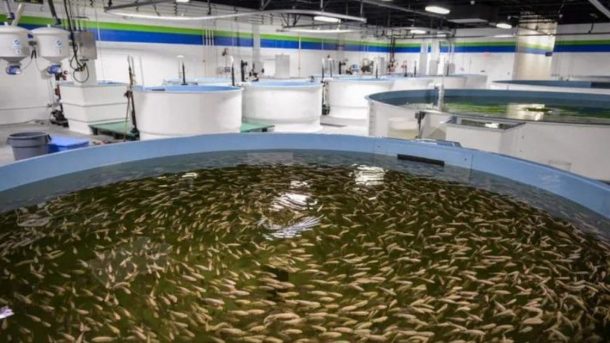
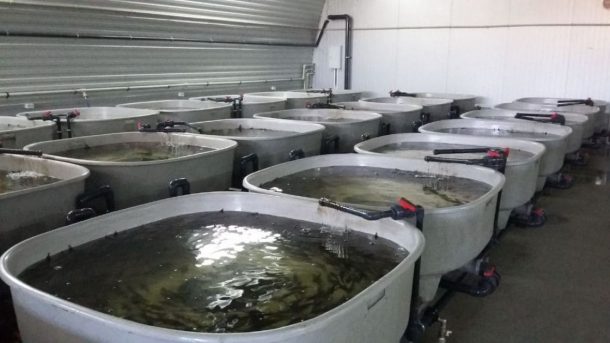
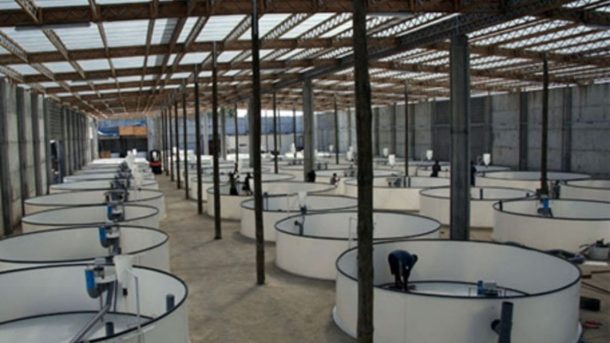
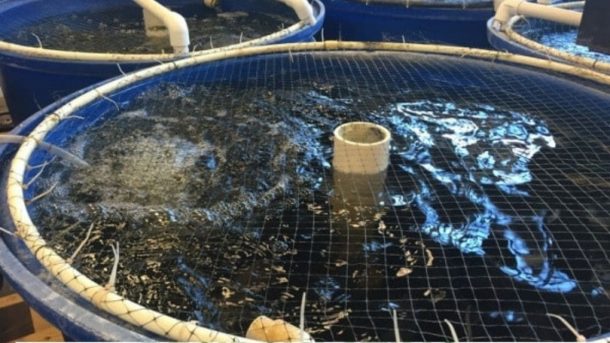
Tank for aquaculture or fish farming in these systems can be of many shapes and size like rectangular, circular, oval, etc. Mostly circular and oval tanks are preferred because they are easier to clean and facilitate easy water circulation when compared to rectangular tanks. Rectangular tanks are generally used on inclined areas. The size of a fish rearing tank may range from 500 to 500k gallons capacity and this depends on the factors like the type of fish, stock rate, water requirement, and quality. The tank should be built such that it is compatible with the other components of the systems. The materials required to built the tank can be metal, wood, glass, rubber, concrete, or plastic. Any material which is non-toxic and doesn’t corrode can be used constructing the tank. The inner surface of tank should be clean and smooth. Each and every material used for this purpose has its own advantages and disadvantages. The inclination of the fish tank can help to drain easier but has little or no affect of self-cleaning ability.

Most modern tanks are being constructed with outlets that have optimal waste removal capacity and are fitted with suitable mesh screens. These outlets should also make removal of dead fish easy. Some tanks are also fitted with sensors to detect the water level, oxygen content, temperature, etc. so that they can be controlled automatically. Tanks should also have diffusers for a sufficient supply of oxygen.

Other than circular and rectangular tank, there is one more variety called the raceway tank which is a blend of circular and rectangular shapes. These tanks have a wall in the center to facilitate circulation. 

How to design Recirculating aquaculture system for RAS fish farming?

design

The basic system has a simple design and consists of fish tanks, mechanical filter, biofilter, trickling filter or degasser, oxygen enrichment unit, UV disinfector, some extra facilities like the Ph regulator, heat unit exchange unit, denitrification unit can be added to the design depending on the requirements.

The basic operating principle of these systems is that the water from the fish tank moves through the mechanical filter and then through the biological filter; the water is stripped of carbon dioxide before getting aerated and is returned back to the fish tanks.

What are the advantages of RAS Fish system?

RAS

Tanks and equipment have a longer lifespan. Reduced reliance on antibiotics and therapeutics, resulting in higher-quality fish. Feed, predator control and parasites are all direct operating costs that may be reduced. Eliminate the possibility of parasites being released into recipient waterways. Climate change, illness, and parasite effects all reduce risk. RAS production allows for greater flexibility in terms of agricultural site and proximity to market. Allow for the generation of a diverse range of species regardless of temperature needs. When feeding can be closely monitored for 24 hours, RAS feed control improves significantly. Some variables, including as severe weather, unfavourable temperature conditions, external pollutants, and predation, might limit stock exposure to RAS stress. Enable the production of non-endemic species securely. Utilizing land and water in a good manner.

How does the RAS system work?

RAS

Recirculating aquaculture systems (RAS) purify the water in fish or shrimp tanks before reusing it. This significantly reduces the amount of water and land required to produce seafood on a big scale. Solid removal, ammonia removal, CO2 removal, and oxygenation are all processes in RAS.

What are the different kinds of equipments used in Honey bee farming?

Honey bee

Here is the equipment used in most of the commercial honey bee farming. The equipment’s are Thin and thick beekeeping brushes, SS Knives, SS and iron hive tools of L shaped and curved, Food graders plastic made queen cage, queen gate, hive gate, honey extractor, smoker, Queen excluder, Pollen trap, Propolis strip, Royal jelly production and extraction kit, Queen rearing kit, Bee venom collector.

Which site is suitable for Honey Bee Farming?

Bee

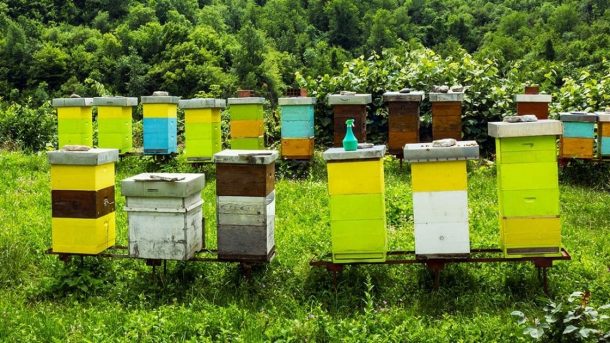
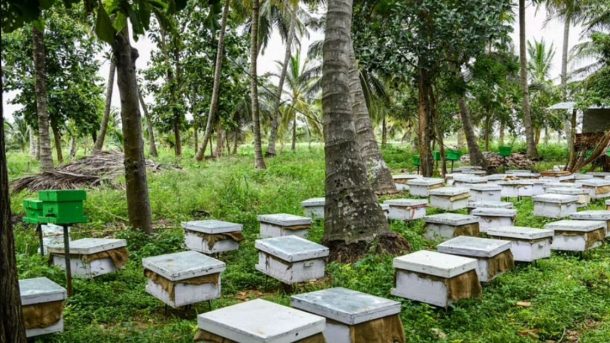
The selected site should be dry without dampness. High RH will affect bee flight and ripening of nectar. Clean natural or artificial source of water should be provided. Trees serve as wind belts in cool areas. Hives can be kept under shade of trees or artificial structures should be constructed to provide shade. Plants that yield pollen and nectar to bees are called bee pasturage and florage. Such plants should be plenty around the apiary site.

What is the moisture requirement for Backyard Quail Farming?

Quail

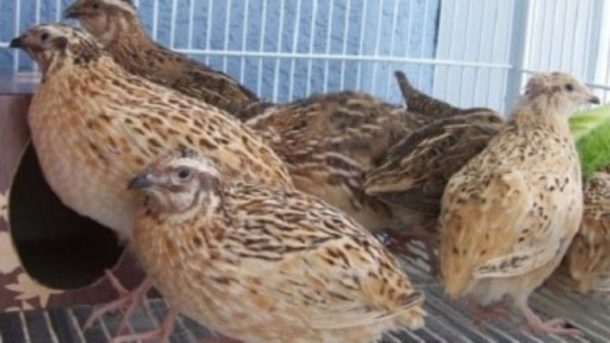
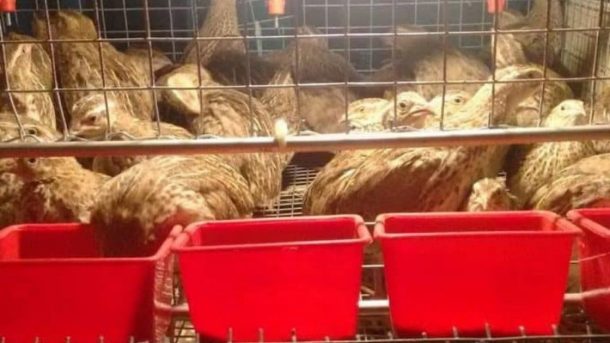
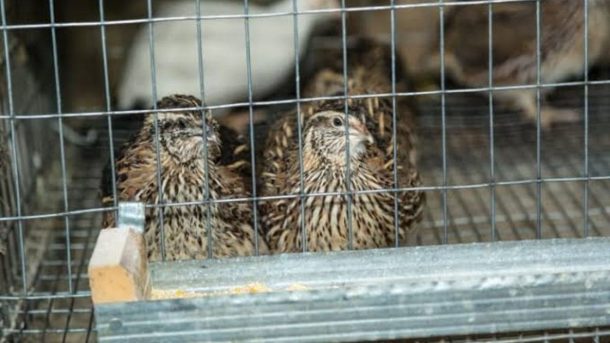
This bird can easily adapt 40 to 70% relative humidity. However, the relative humidity of the house is 55 to 60% good. Quail are unique as they are tiny game birds, smaller even than a bantam breed chicken. Though smaller isn’t always best for everyone, it makes quail an ideal species of poultry for people who live in crowded urban areas. One can keep Quail in a small backyard coop or cage without too much trouble. Proper measure for sanitation should be maintained in place to avoid issue related to smell, disease and issues.

How much light is required for Backyard Quail farming?

Quail

Quails egg production is dependent on light. Hence, to get enough eggs, there must be 16 hours of daily lighting from the 9th week to the Quail bird farm. Light is a very important thing for Quail farming. The newly born baby birds do not survive in cold temperature levels. So, every time you should collect them to reproduce them, you should ensure temperature using light in a separate case called brooder.

Light can achieve by using sunlight and electric bulbs. Ensure 13 hours light till they become7 th weeks older. Eventually increase the lighting by one hour for every week. This means you have to provide one extra hour of lighting. And this process will continue until the total lighting time per day is 15 to 16 hours. More importantly, to produce maximum number of eggs, they will require 16 hours of light when they are about 9 weeks old.