
Feed for the shrimp should contain a minimum recommended protein content of 32-45%. The percentage of feed depends on the size of shrimp. The diet should include protein, lipid, carbohydrates, vitamins, minerals etc.
Nutrient requirement
Which are essential elements in Coconut nutrition?
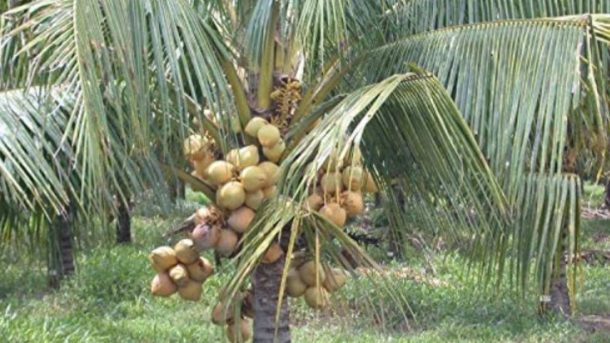
Among the basic nutrients, potash (K) is the most important in coconut cultivation, followed by nitrogen. There is a general reaction to the application of K and N; whereas the reaction of phosphorus is observed only in certain limited and local conditions. In secondary nutrients, magnesium and chlorine have beneficial effects, followed by calcium, sulphur and sodium. In micronutrients, Zinc and boron and manganese are required under some limited conditions.
How nutrient management is done in sugarcane ?
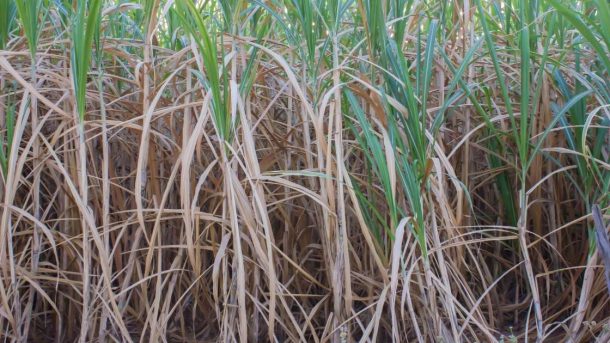
In sugarcane farming, nutrient management is critical for optimum crop growth. It is always preferable to determine the amount of nutrients required through soil testing and then enrich the soil accordingly. If this is not possible, NPK can be administered at rates of 275 kg, 63 kg, and 115 kg per hectare using inorganic or organic sources, respectively.
What happens due to sugarcane K deficiency?
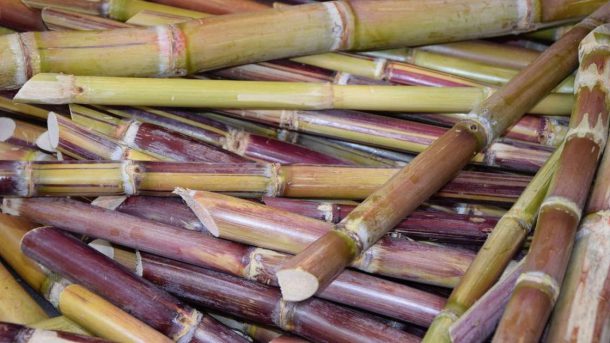
Sugarcane K ( potassium ) results in formation of slender stalks as a result of slowed growth, yellowing, and marginal drying of older leaves. The elder lower leaves take on an orange, yellow hue as they acquire multiple chlorotic patches that eventually turn brown with a dead centre. The epidermal cells of the upper surfaces and midribs of the leaves have a crimson colour. The juvenile leaves appear to have formed from a single point, creating the impression of a “bunched top.” Root development is poor, with fewer root hairs.
Will any fungus forms mycorrhizae ?
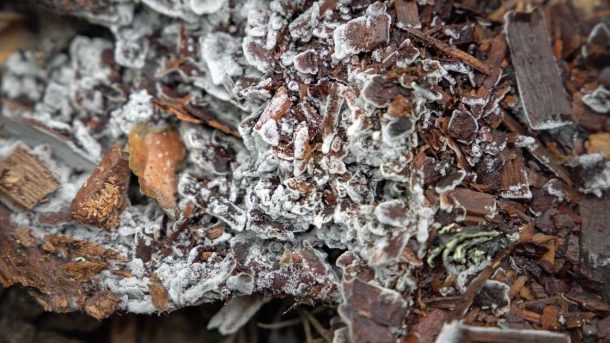
Many fungi create mycorrhizal relationships with plants, while many plants form mycorrhizal associations with other plants. These interactions appear to be specific to plants and fungi. Not all mycorrhizal fungi are compatible with all plants. There have been studies that suggest that being infected with the “wrong” fungus reduces the plant’s health and vigour.
What are mycorrhizae?
The associations between roots and fungi are called mycorrhizae. Plant roots provide a welcoming environment for fungus to anchor and develop their threads (hyphae). The fungi rely on the nutrients provided by the roots to flourish. In exchange, the enormous quantity of fungal hyphae works as a root system for the plants, allowing them to obtain more water and nutrients from the surrounding soil. This is particularly important in uptake of phosphorus, one of the major nutrients required by plants.
What is plant senescence ?

The process of ageing in plants is known as plant senescence. Stress-induced and age-related developmental ageing affect plants. The essential role of leaf senescence is to recycle nutrients, primarily nitrogen, to the plant’s growth and storage organs. Plants, unlike animals, constantly create new organs, and older organs go through a highly regulated senescence process to maximize nutrient outflow.
What indicates calcium deficiency in tomato?
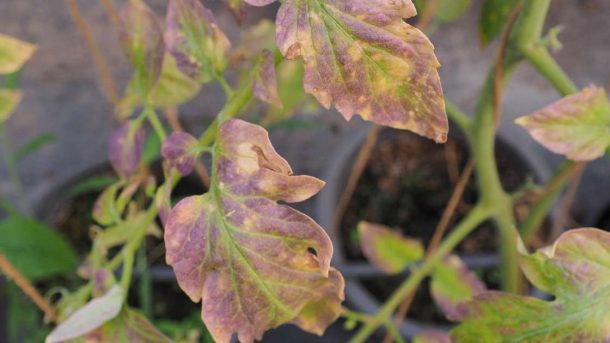
Necrosis can be seen around the base of calcium-deficient leaves. Tomato blossom-end rot is a classic indication of calcium insufficiency. Symptoms include soft, lifeless necrotic tissue. As a result of this, the leaf margins grow more slowly than the remainder of the leaf, causing the leaf to cup downward. Plants that are deficient in calcium have a much higher tendency to wilt than plants that are not stressed.
What are the symptoms of molybdenum deficiency ?
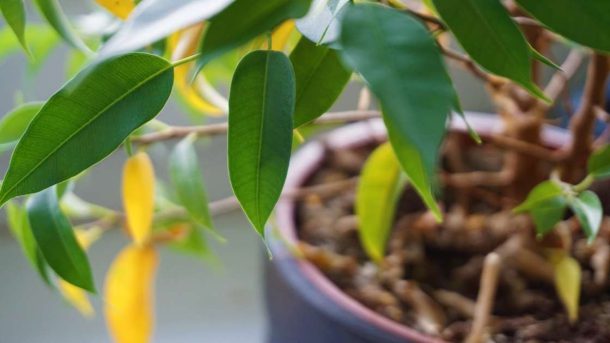
Molybdenum deficiency include chlorotic interveinal mottling of the lower leaves, followed by marginal necrosis and in
folding of the leaves. In cauliflower, the leaf tissues wither leaving only the midrib and a few small pieces of leaf blade(“whiptail”).
Molybdenum deficiency is markedly evident in leguminous plants. Without sufficient molybdenum plants accumulate nitrate in their leaves, but cannot use it to make proteins for normal growth. The plant becomes stunted and the leaves show symptoms of nitrogen deficiency, appearing pale green or yellowish green in colour between the veins .
Why boron application is recommended for cauliflower ?
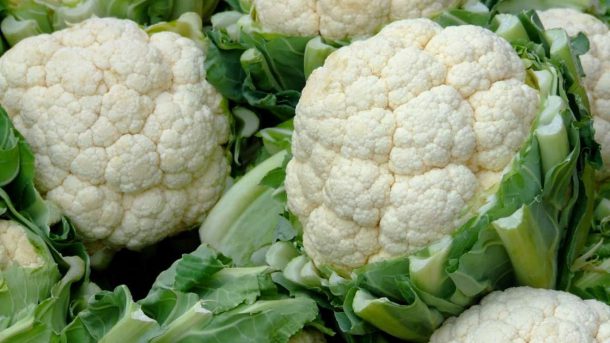
Cauliflower’s quality deteriorates as it yellows, resulting in a decreased market price for the product. Spray boron at 1 gm/liter of water at the growing stage of curd to prevent this. One kilogramme of boron should be applied through drip per acre. So that the cauliflower turns white while maintaining its quality.