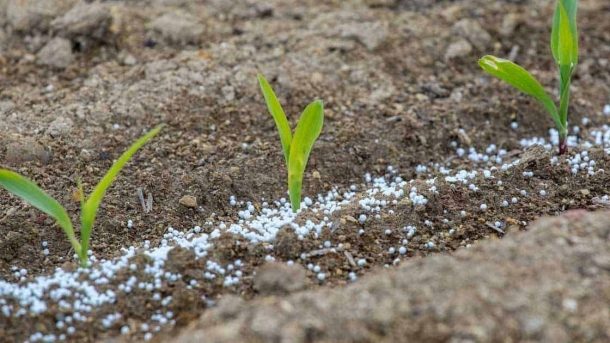
Carnations are highly responsive to manures and fertilizers. This crop is very sensitive to boron and calcium deficiency. Nitrogen, Phosphorous, and Potash should be given in the ratio of 30:20:30 grams/sq.mts/year. Carnation’s crop requires almost equal parts of nitrogen and potash. Should supply trace element boron and calcium in adequate quantities for healthy flowers. This can be done through a growth medium. This crop requires well decomposed manure of 25 to 30 tonnes per 1 hectare. This can be supplemented in the soil during land or soil preparation. A basal dose of N:P:K of 20:20:10 grams/sq.mts should be given at the time of planting and the remaining fertilizer should be applied in equally distributed dosage over the period.
Nutrient requirement
What are the Manures and Fertilizers applied in Marigold Farming?
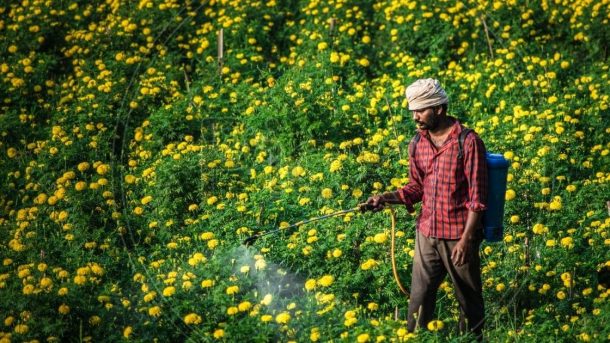
This depends on the fertility of the soil. In case of nutrient deficiencies in soils, during the last ploughing, add 25 tons of Farm Yard Manure (F.M.Y) per hectare at the time of land preparation. Apply these inorganic fertilizers Nitrogen = 25 to 30 Kg/ha, Phosphorus = 25 to 30 kg/ha, Potash = 25 to 30 kg/ha.
How Potassium plays a crucial role in castor crop?
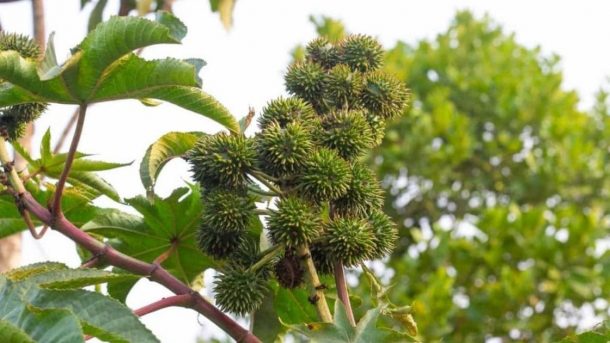
It plays a crucial role in activating numerous enzymes that produce and transfer photosynthesis to storage organs and provide resistance to pests, diseases, and environmental stressors. It also helps in increasing the quality of the crop. The most widely used source of potassium is Muriate of Potash, as it is soluble in water and less expensive.
The recommended doses of potassium for both rain and irrigation are 20 and 40 kg K20 /hectare, respectively. In the case of rain-fed Castor beans, whole potash should be added to the basil. In the case of irrigation of Castor, half of the potassium is basal and the other half as top dressing with nitrogen.
How phosphorous plays a crucial role for root development in castor crop?
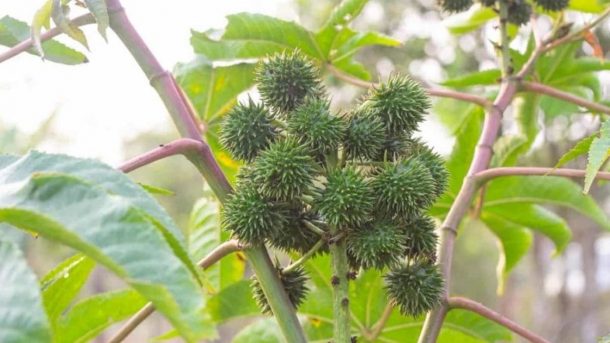
It is essential for cell division and new tissue development. Also, phosphorus is associated with complex energy changes in the plant. Adding phosphorus to low in phosphorus available soil promotes root growth and winter hardiness, stimulates cultivation, and accelerates maturation. It is an essential nutrient for root development. They encourage plants to plant a dense supply of new roots and strengthen existing ones as they grow. It is necessary for root growth, seed and fruit growth, and early ripening.
Phosphorus deficiency delays plant growth, root growth, and flowering. The recommended phosphorus for rain Castor varies from 15 to 40 kg P205 / hectare depending on soil fertility and moisture retention status. The only superphosphate soluble in water is generally preferred for Castor. In addition to phosphorus, this fertilizer also provides sulfur and calcium. The basal feed of N with whole phosphorus should be applied at the time of sowing, and the method of application is placement.
How Nitrogen plays a crucial role in castor crop?
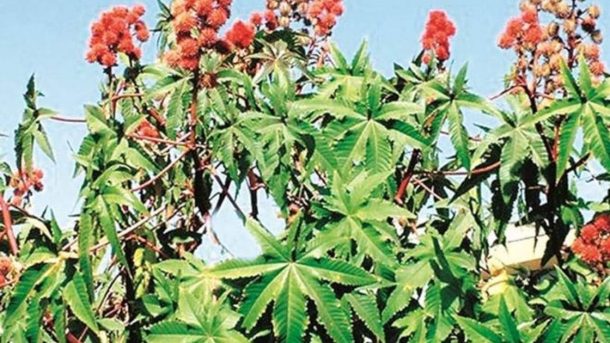
A proper supply of nitrogen is essential for optimal leaf growth, promotes branching, seed set, and filling, Deficiency will result in poor growth, light green plants, poor branching, or poor seed arrangement, Nitrogen recommendations vary by region and cultivation system. Since Castor is grown in the country as both rainfed and irrigated crops, the response of applied N varies in rainfed and irrigated conditions. The response in rainfed farming areas varies with rainfall and distribution. Topdressing with an additional 20 kg N/ hectare in 35-40 and 65-70 days after sowing gives an excellent economic response after using 20 kg N / hectare as basal feed for rain-fed Castor. In addition to the basic dose of 40 kg N/hectare, irrigated Castor for more than 180 days requires additional N by 20 kg/hectare at each successive picking starting from 90 days or harvest the first order spike, i.e., at intervals of 30 days. Avoid higher N levels than recommended as this can result in excessive plant growth and weakening of the root system. For both rainfed and irrigated crops, nitrogen fertilizer should be applied in continuous bands at 5-6 cm/depth and a distance of 5-7 cm from the crop row.
What are the Symptoms of Potassium deficiency in nutmeg and how it can be managed?
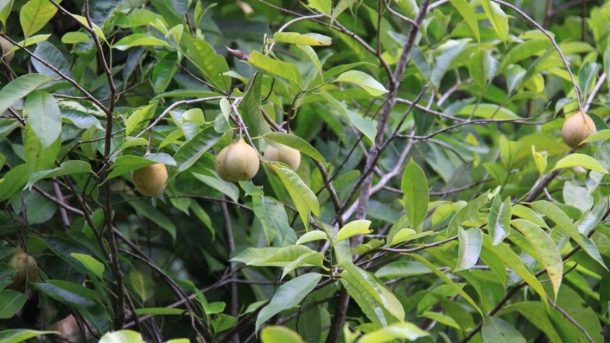
Potassium is a highly active element in plants. Therefore, deficiency symptoms will first appear in the old and lower leaves. Symptoms begin as white, yellow, or orange chlorotic spots or stripes on older leaves, beginning with leaf tips and margins. In some cases, irregularly distributed chlorotic spots appear, but in all cases, the symptoms begin at the tip of the leaf. The base of the leaf is dark green color. It is followed by the browning of the leaf margins and necrosis.
The maximum availability of potassium is above soil pH 6.0. So, correct the pH of the soil by adding lime/dolomite to the acidic soil. Add organic matter and wood ash to the soil. Apply organic fertilizer containing potash activating bacteria to remove irreplaceable potassium from the soil. Check that the recommended amount of potash fertilizer is applied on time. Go for soil analysis and understand the extent of depletion. Then, apply Muriate of Potash (MOP) as per soil test report. A split application is more beneficial. As an immediate solution, apply sulfate of potash (SOP) with foliar spray (10 grams per liter of water) in the morning with moisturizing agents.
What are the Symptoms of Phosphorus Deficiency in nutmeg and how it can be managed?
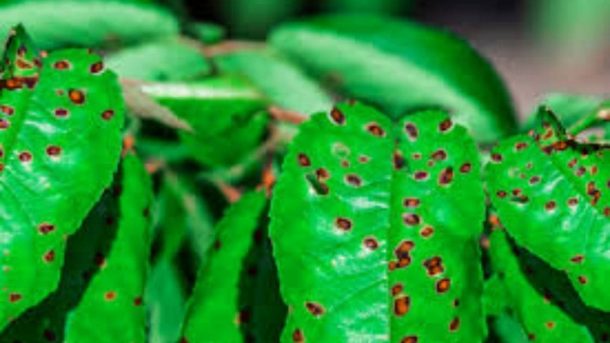
Phosphorus is very much needed for root development. In poor conditions, root development will be affected. It results in a lack of essential nutrients. Symptoms of deficiency will first appear in the old and lower leaves. Older leaves will have brown spots.
Phosphorus is best absorbed from roots in the pH range of 6.5-7.5. So, adjust the pH in acidic soil by adding lime/dolomite. Add biofertilizer’s containing phosphorus-soluble bacteria to organic manure to increase phosphorus availability. Check that the recommended amount of fertilizer is applied on time. Excess iron and zinc can also cause phosphorus deficiency symptoms. Go for soil analysis and understand the extent of depletion. According to the soil test reports, apply single superphosphate for immediate accuracy or bone meal or rock phosphate for long term accuracy.
How Organic fertilizers plays a significant role in Nutmeg production?
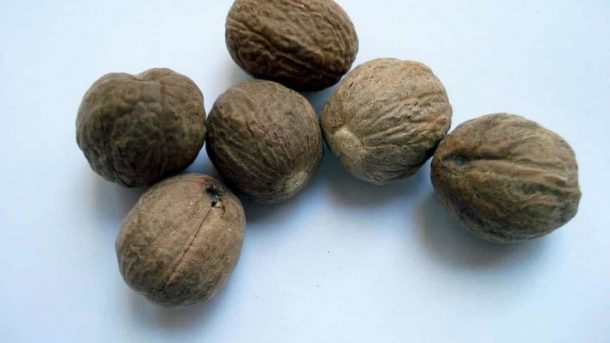
Nutmeg requires heavy fertilizer for proper growth and production. FYM (Farmyard manure) or compost can be applied at the rate of 10 kg per plant during the first year of planting. The fertilizer application quantity should be increased every year so that a Nutmeg tree about 15 years of age or older can get 50 kg of organic manure. Reduces the incidence of soil-borne diseases and improves the availability of phosphorus and other nutrients.
What are the manures and fertilizers applied to litchi plant?
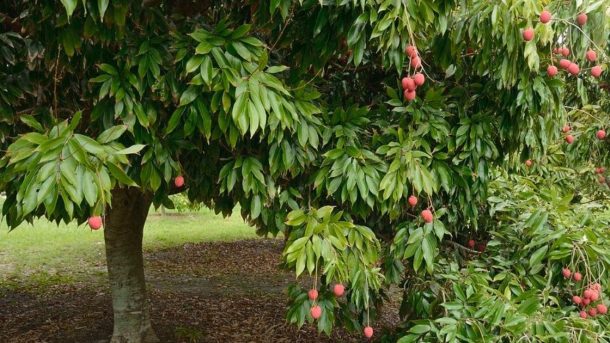
For the first 2-3 years 30 kg of Decomposed cow dung should be given to litchi plants, 2 kg karanj cake, 150 g urea, 150 g single super phosphate and 100 g. Muriate of potash should be given at the rate of one plant per year.
After that along with the growth of the plant the amount of manure should be increased. In this way 5 kg of decomposed cow dung 150 g Karanj, 150 g Urea, 200 g. CSF, 50 g muriate of potash per plant should be increased per year.
After about 15 years, 80-100 kg Dung manure in a fully grown tree. 3-4 kg Karanj cake, 2 kg Urea, 2.5 kg Sisufa and 0.6 kg. Muriate of potash should be given at the rate of one plant per year.
Which fertilizers are applied to mint plants?
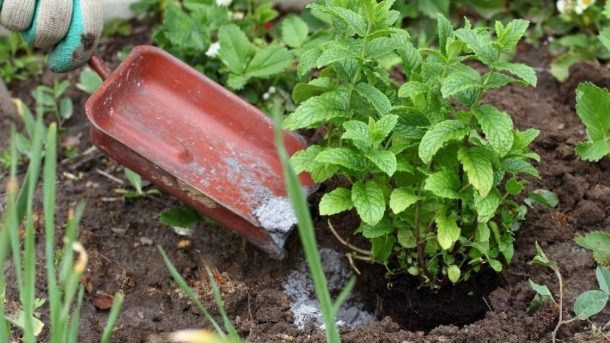
Fertilization depends upon the nutrient content of the soil and age of plants. Soils with well supplied compost require a small amount of fertilizers per year. Use Organic fertilizers such as horn shavings or dung pellets which continuously release nutrients. The plants don’t require fertilizers for the first three months. However, diluted liquid fertilizer can be applied once a month.