Organic Farming

How does organic farming minimize the use of synthetic inputs?

synthetic inputs

By employing certain techniques and guiding principles that give natural and organic alternatives priority, organic farming reduces the usage of synthetic inputs. The following is how organic farming does this:

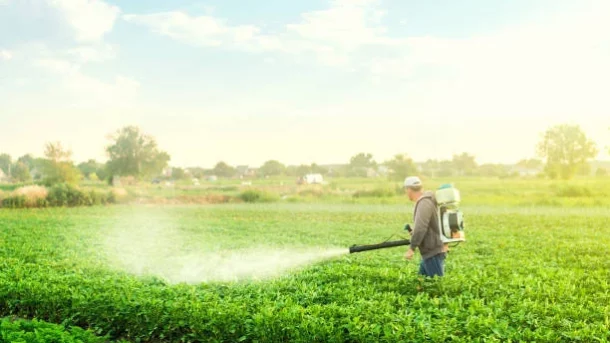
Natural pest and disease management: Rather than relying on synthetic chemical pesticides, organic farmers put their attention on naturally preventing and controlling pests and illnesses. Crop rotation, intercropping, biological management (using helpful insects or predators), physical barriers, and the choice of pest-resistant varieties are a few examples of these techniques. Organic farmers are able to effectively control pests and diseases without the use of synthetic chemicals by fostering biodiversity and implementing these integrated pest management (IPM) techniques.

Management of soil fertility: Organic farmers use natural sources of nutrients to feed the soil rather than manufactured fertilizers. They use organic matter like compost, manure, or green manure, as well as techniques like crop rotation and cover crops. These organic inputs replace the nutrients in the soil, increase the amount of organic matter in the soil, strengthen soil structure, and promote the growth of beneficial soil microbes. This method decreases the requirement for synthetic fertilizers while promoting long-term soil fertility.

Weed control: Organic farmers use a variety of techniques rather than synthetic chemicals to control weeds. These strategies include cover crops, mechanical weed management (such as hand weeding, hoeing, or mulching), and precise cultivation methods. 

Genetic diversity and crop choice: The utilization of various crop rotations and the choice of plant types that are innately adapted to local conditions and have built-in resistance to pests and diseases are key components of organic farming. Organic farmers lessen their reliance on synthetic inputs by fostering genetic diversity, which also helps them grow resilient crops that are more resistant to pests and illnesses.

What is organic farming and its significance in sustainable agriculture?

sustainable agriculture

The cultivation of crops and the raising of livestock under organic farming emphasizes the use of natural and environmentally beneficial methods. It entails refraining from using synthetic chemicals like pesticides and fertilizers while fostering soil health, biodiversity, and ecological balance. There are several ways in which organic farming is important for sustainable agriculture:

Environmental stewardship: The maintenance and improvement of the health of the environment are given top priority in organic farming practices. Organic farming lessens soil, water, and air pollution by not using synthetic chemicals. It lessens the possibility of food contamination from pesticide residues and the detrimental effects of chemical runoff on ecosystems. Because it emphasizes the use of varied crop rotations, intercropping, and habitat protection, organic farming also supports biodiversity.

Organic farming places a strong emphasis on creating and maintaining fertile soils. It places a focus on using organic matter to enhance soil structure, moisture retention, and nutrient availability, such as compost and cover crops in sustainable agriculture. Organic farming increases long-term agricultural productivity and resilience by improving soil health, which also lessens the demand for synthetic fertilizers.

Nutrient management and cycling: Using techniques like composting, crop rotation, and the use of legume crops for nitrogen fixation, organic farming practices try to maximize nutrient management. By promoting natural nutrient cycling, these strategies help prevent nutrient runoff and leaching into aquatic bodies. A holistic approach to nutrient management that takes into account the entire agroecosystem is emphasized in organic farming.

Which scheme provides financial assistance for the establishment of marketing infrastructure for organic products?

financial

The “National Program for Organic Production” (NPOP) is one program that offers financial support for the creation of a marketing infrastructure for organic products in India. NPOP is a government program run by the Ministry of Agriculture and Farmers Welfare that aims to support organic farming methods and the growth of the nation’s organic markets.

Financial support is given under the NPOP for a number of organic product marketing infrastructure-related components. The program seeks to aid in the development of effective and reliable marketing channels that guarantee fair prices, enhanced market accessibility, and enhanced market connections for organic farmers and producers.

The specific NPOP elements that support the organic product marketing infrastructure are as follows:

Development of Organic Value Chains: The program encourages the creation of organic value chains, which entail the construction of marketing infrastructure like collection points, processing units, cold storage facilities, grading and packaging facilities, and certification and quality control labs. The establishment and improvement of such facilities are encouraged through the provision of financial aid.

Development of Organic Markets: NPOP focuses on developing organic markets by offering assistance in opening organic stores, farmers’ markets, and retail establishments that are solely devoted to selling organic goods. To raise consumer knowledge and demand, financial aid is also provided for the advertising and branding of organic products.

Market Promotion and Linkages: In order to enhance direct marketing opportunities for organic farmers, the program promotes participation in organic trade shows, exhibitions, and buyer-seller gatherings. 

Certification and Traceability: NPOP offers financial support for organic certification procedures, covering certification fees as well as costs associated with adhering to organic standards. This ensures that organic products live up to the necessary criteria for quality and authenticity, boosting customer trust and commercial adoption.

Which scheme provides financial assistance for the establishment of organic farming clusters?

organic farming clusters

The “Paramparagat Krishi Vikas Yojana” (PKVY) is one program that offers financial aid for the construction of organic farming clusters in India. The Ministry of Agriculture and Farmers Welfare, Government of India, is in charge of carrying out the Paramparagat Krishi Vikas Yojana.

The Paramparagat Krishi Vikas Yojana’s primary goals and initiatives typically consist of:

Promotion of Organic Farming: The program seeks to encourage farmers to use organic farming practices and to make it easier for them to embrace organic practices. It encourages the use of conventional and organic alternatives while reducing or eliminating the use of synthetic inputs like chemical fertilizers and pesticides.

The PKVY focuses on the creation of organic farming clusters, when a number of farmers embrace organic farming methods in close proximity to one another. By bringing together a sufficient number of organic farmers, cluster development aids in information exchange, resource optimization, and joint marketing opportunities.

Financial Support: The program offers financial support to farmers and farmer organizations in order to build organic farming cluster. Financial assistance is provided for a number of things, including capacity building, education, certification, organic inputs, farm machinery, marketing infrastructure, and other initiatives required to advance organic farming within the clusters.

What is the primary goal of the National Mission on Sustainable Himalayan Ecosystem (NMSHE)?

Himalayan

Initiatives for the sustainable Himalayan ecology strive to preserve the region’s fragile ecological balance as well as its distinctive biodiversity. The unique flora, fauna, and ecosystems of the Himalayas are the subject of their attention because they are essential to maintaining ecological stability and providing ecosystem services.

Sustainable Development: The Himalayan region is encouraged to adopt sustainable development methods by several programs. They seek to strike a balance between conservation initiatives and the local populations’ requirements for socioeconomic growth. This involves supporting ecotourism, renewable energy, organic farming, and other economically viable methods for living sustainably.

Adaptation to Climate Change: The programs take on the problems brought on by climate change in the Himalayas. They place a strong emphasis on increasing people’s capability for coping with the effects of climate change, such as melting glaciers, altered rainfall patterns, and greater susceptibility to natural disasters. As a result, it’s important to promote climate-resilient infrastructure, implement climate-smart behaviors, and create early warning systems.

Initiatives for the sustainable Himalayan ecosystem emphasize the need of including local populations in decision-making processes and giving them the tools they need to act as good stewards of their natural resources. They encourage community-based conservation and sustainable management techniques, ensuring that local communities actively participate in and are engaged in managing and maintaining their natural environment.

Name a government initiative that provides financial assistance for the development of organic input production units.

organic input

The “Paramparagat Krishi Vikas Yojana” (PKVY) is one government program that offers financial aid for the establishment of organic input producing units in India. The Ministry of Agriculture and Farmers Welfare, Government of India, is in charge of implementing the Paramparagat Krishi Vikas Yojana.

The Paramparagat Krishi Vikas Yojana’s main goal is to support farmers in adopting organic farming practices and to promote organic farming practices. By offering financial aid and technical help, the program encourages farmers to switch from traditional, chemical-based agricultural to organic farming.

The Paramparagat Krishi Vikas Yojana offers financial support for a number of organic farming-related initiatives, including the creation of organic input production facilities. These facilities concentrate on creating organic inputs needed for organic farming methods, such as compost, bio-fertilizers, bio-pesticides, organic manures, and other organic inputs.

The PKVY provides financial support for the construction of infrastructure, the purchase of equipment, training, and capacity building for farmers working in organic input production units. It attempts to increase the accessibility of high-quality organic inputs and lessen agriculture’s reliance on synthetic chemicals.

Name a government program that aims to promote organic farming among tribal communities in India.

farming among tribal

The “Van Dhan Vikas Kendra” (VDVK) project is one government initiative that is specifically designed to encourage organic farming among tribal tribes in India. The Ministry of Tribal Affairs, Government of India, runs the VDVK scheme, which aims to improve tribal communities’ quality of life by adding value to, developing skills in, and marketing non-timber forest products (NTFP), including organic agricultural products.

The following are some of the main goals of the Van Dhan Vikas Kendra program:

Promotion of Organic Farming: The program encourages tribal tribes to adopt organic farming among tribal methods. In addition to minimizing the use of synthetic inputs and promoting the use of organic fertilizers, biopesticides, and conventional farming practices, it encourages tribal farmers to embrace sustainable agricultural practices.

Van Dhan Vikas Kendra establishment is the main goal of the plan, which aims to create tribal community-owned businesses. These Kendras act as common hubs for NTFP and organic agricultural produce processing and commercialization. For value addition, packaging, branding, and marketing of their organic produce, they offer infrastructure, training, and assistance to tribal farmers.

The VDVK initiative places a strong emphasis on adding value to tribal agricultural products. It encourages tribal farmers to strengthen their skills so they can advance their understanding and proficiency in organic farming, post-harvest processing, value addition, and product diversification. This includes instruction on ways for processing food produced organically, as well as on quality standards and entrepreneurship growth.

Which government initiative focuses on promoting the use of bio-fertilizers and bio-pesticides in agriculture?

government

The “National Project on Organic Farming” (NPOF) is one government program that emphasizes encouraging the use of bio-fertilizers and bio-pesticides in agriculture. The Department of Agriculture, Cooperation & Farmers Welfare of the Government of India administers the NPOF, a program that is centrally financed.

The National Project on Organic Farming’s main goals are as follows:

Promotion of Organic Farming: The initiative’s goal is to spread awareness of organic farming techniques, which place a focus on using natural inputs and biological approaches to crop nutrition and pest control. It promotes the use of organic inputs like bio-fertilizers and bio-pesticides while reducing or eliminating the use of synthetic chemical inputs.

Building awareness and capacity: The program’s main objective is to educate farmers and other stakeholders about organic agricultural practices. It offers training courses, seminars, exhibits, and extension services to inform farmers about the advantages and practices of applying bio-fertilizers and bio-pesticides in farming.

Technology Demonstration and Dissemination: To demonstrate the efficient application of bio-fertilizers and bio-pesticides, the NPOF promotes the creation of model organic farms and demonstration plots. It encourages farmers to embrace these practices and makes it easier for successful organic farming methods to spread.

Research and Development: The initiative supports studies and experiments on new bio-fertilizers and bio-pesticides, as well as research and development in the area of organic farming. It promotes research initiatives, partnerships with academic institutions, and the selection of appropriate bio-agents.

What is the main objective of the Paramparagat Krishi Vikas Yojana (PKVY)?

Krishi Vikas Yojana

The Paramparagat Krishi Vikas Yojana (PKVY)’s primary goal is to encourage organic farming in India. The Ministry of Agriculture and Farmers Welfare introduced the PKVY program as a government initiative in 2015. The English translation of “Paramparagat Krishi Vikas Yojana” is “Traditional Farming Development Scheme”.

The following are the main objectives of PKVY:

Promote organic farming: The program’s goal is to persuade farmers to switch to organic agricultural methods and lessen their reliance on synthetic pesticides and fertilizers. It aims to promote ecologically friendly, soil-health-supporting sustainable agricultural practices.

Boost farm productivity: PKVY seeks to do this by implementing organic farming methods. These methods emphasize increasing soil fertility through the use of organic manure and compost as well as crop rotation, mixed cropping, and biological pest control strategies.

Produce certification: The program also assists farmers in securing organic certification for their output. This certification guarantees the authenticity and high caliber of organic products while facilitating farmers’ access to premium markets.

Building capacities and providing training: To assist farmers in understanding organic farming methods, managing soil health, and utilizing conventional and local resources, PKVY offers training, capacity building, and technical assistance. The program seeks to equip farmers with the information and abilities they need to successfully implement organic farming.

What is the purpose of the National Food Security Mission (NFSM)?

National Food Security

India’s government has launched the National Food Security Mission (NFSM) with the aim of boosting food production and guaranteeing food security in the nation. The 2007-launched NFSM aims to increase production of rice, wheat, and pulses because they are crucial crops for the nation’s food security.

The following are the main goals of the National Food Security Mission:

Increasing food production: In order to fulfill the expanding food needs of the country’s population, the NFSM wants to boost the production of food crops, particularly rice, wheat, and pulses. By fostering improved agricultural practices, better crop management, and the use of cutting-edge technologies and farming methods, it focuses on closing the yield disparities.

production-boosting measures include promoting high-yielding varieties, better seed quality, balanced nutrition management, effective irrigation techniques, and integrated pest and disease control. The mission seeks to increase the production of food crops. By taking these steps, the output from each unit of land, water, and other resources should grow.

In order to maintain long-term food security, the NFSM places a strong emphasis on sustainable agricultural techniques. It encourages the use of resource-saving farming methods such integrated farming systems, organic farming, and conservation agriculture. These methods support resource conservation, environmental protection, and the sustainability of agricultural production systems.