Organic Farming

What are the benefits of using smart beekeeping technologies?

smart beekeeping

Smart beekeeping technology has a number of advantages for beekeepers as well as for the general wellbeing and production of bee colonies. Here are several major advantages.

Real-time monitoring of hive conditions, like temperature, humidity, hive weight, and activity levels, is made possible by smart beekeeping technologies. This information offers useful insights into the condition of the bee colony, enabling beekeepers to identify possible problems like disease outbreaks, pest infestations, or colony swarming early on. Making informed management decisions and acting quickly to solve any issues requires constant observation of the hive’s conditions.

Swarm prevention: Swarming is a normal behaviour for honey bees, however it can reduce beekeepers’ production. Swarming incidents can be predicted and avoided with the aid of smart beekeeping technologies. Beekeepers can recognise conditions that are conducive to swarming and take preventive actions, such as hive manipulations or queen replacement, to effectively manage swarm control by keeping an eye on colony population, brood development, and environmental factors.

Disease and Pest Management: By offering early diagnosis and action, smart beekeeping systems help with disease and pest management. For instance, monitoring tools can spot varroa mites, a serious hazard to bee colonies, and notify beekeepers to take prompt action. Additionally, monitoring systems enable targeted interventions, limiting the development of illnesses like Nosema and American foulbrood, and assist track their spread.
What is the role of bioinformatics in crop improvement?

bioinformatics

Bioinformatics plays a crucial role in crop improvement by leveraging computational tools and techniques to analyze and interpret large-scale biological data related to crops. It involves the integration of biological, statistical, and computational approaches to gain insights into crop genetics, genomics, proteomics, and other omics data. Here are some key roles of bioinformatics in crop improvement:

  1. Genome Sequencing and Assembly: Bioinformatics facilitates the sequencing and assembly of crop genomes, providing a blueprint of their genetic makeup. This enables researchers to identify genes, regulatory elements, and structural variations associated with important traits such as yield, disease resistance, and nutritional quality.
  2. Functional Annotation of Genomes: Bioinformatics tools are used to annotate the genes and other functional elements in crop genomes. This process involves identifying coding regions, regulatory sequences, non-coding RNAs, and other genomic features. Functional annotation helps in understanding gene function, regulatory networks, and the underlying mechanisms of crop traits.

omparative Genomics: Bioinformatics enables comparative analysis of crop genomes with related species, including model organisms. By comparing genomic sequences, researchers can identify conserved regions, evolutionary relationships, and genetic variations that may be relevant to crop improvement. Comparative genomics he

 What are the latest developments in soil health monitoring techniques?

soil health

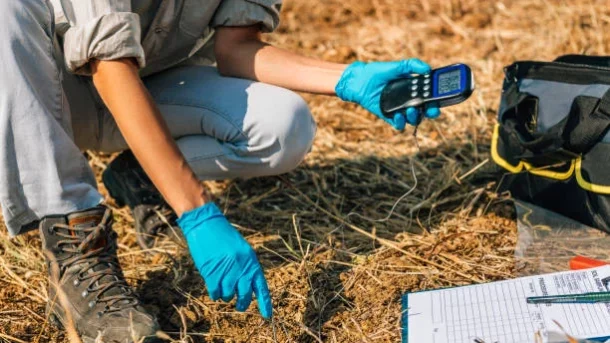
Imaging and spectroscopy: For the examination of soil, spectroscopic methods like infrared spectroscopy and hyperspectral imaging are becoming more and more popular. These methods examine the light reflected or emitted from soil samples to determine soil health, chemical composition, and amount of organic matter. Imaging technology can deliver spatially resolved data on soil characteristics, enabling tailored actions depending on particular soil circumstances.

Microbial analysis and DNA sequencing techniques are being utilised to evaluate the microbial populations in soil and their roles. These methods offer information on the variety and activity of soil microbes, which are essential for nutrient cycling, the breakdown of organic materials, and plant health. Farmers can choose the best soil management practises and maximise microbial activity for better soil health’s by having a thorough grasp of the microbial communities in their soils.

Satellite images and remote sensing technology, such as aerial drones, can provide important information about the overall health of the soil. Satellites with multispectral or hyperspectral sensors are able to collect information on the characteristics of the soil, vegetation indices, and land cover. This information can be analysed to create maps of the health of the soil, find signs of soil deterioration, and track changes over time. Aerial drones with sensors and cameras can give localised areas with high-resolution, precise soil information, enabling focused soil management techniques.

How do you prefer organic or conventional methods?

Managing pests and diseases on a farm involves a combination of preventive measures and control strategies. Here are some common approaches:

Prevention: Implementing preventive measures is crucial to reduce the risk of pests and diseases. This includes practices like crop rotation, using disease-resistant varieties, maintaining proper sanitation, and practicing good farm management techniques.

Cultural control: Cultural practices can help minimize pest and disease problems. Examples include proper irrigation and drainage, timely pruning, maintaining proper plant spacing, and promoting overall plant health through balanced nutrition.

Biological control: This method involves introducing natural enemies of pests to control their populations. Beneficial insects, parasites, predators, and microbial agents can be used to target specific pests. This approach is commonly employed in integrated pest management (IPM) programs.

Chemical control: Conventional farming often utilizes chemical pesticides and herbicides to control pests and diseases. These synthetic chemicals can be effective but need to be used with caution to minimize environmental impact and potential risks to human health. It’s important to follow label instructions and adhere to local regulations when using chemical control methods.

What is mushroom compost?

mushroom compost

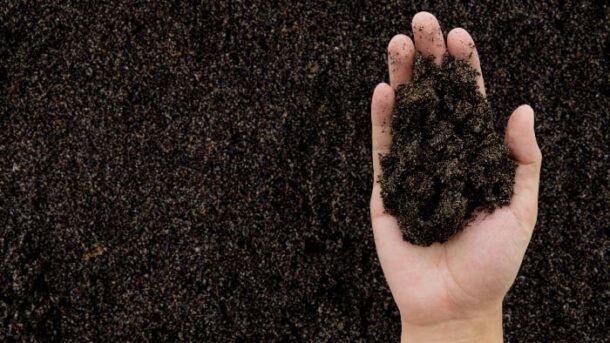
Mushroom compost is the sustainable process of producing compost for use in gardening and farming from waste materials generated by the mushroom growing industry. This compost is created by composting spent mushroom substrates, which are the materials used to grow the mushrooms, such as straw, horse manure and poultry litter.

The composting process is typically carried out in large piles or windrows and can take several months. The end result is a nutrient-rich compost that provides an excellent source of organic matter and essential plant nutrients.

Mushroom substrate can be used to improve soil fertility and structure in a variety of crops, including vegetables, fruits, and flowers.

Dhaincha as Green Manure

Dhaincha

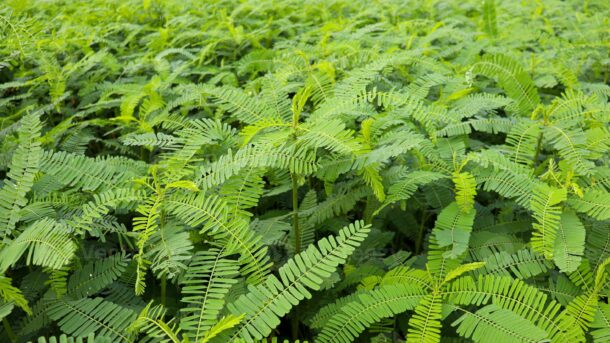
Dhaincha (Sesbania grandiflora) is a plant species that is commonly used as a green manure crop. Green manure crops are grown specifically to be plowed under and incorporated into the soil to improve its fertility and structure.

Green manure not only increases yield, but also reduces chemical fertilizer cost by 50 percent. Dhaincha is a fast-growing legume that can fix nitrogen from the air into the soil and add organic matter to the soil, which can improve soil health and fertility, and also reduce erosion and improve water-holding capacity. 

This makes a valuable crop for farmers looking to improve soil quality, especially in regions with poor soil conditions. Dhaincha is green manure mainly used for Rice cultivation.

Manure and fertilizers used for Dragon fruit cultivation.

Dragon fruit

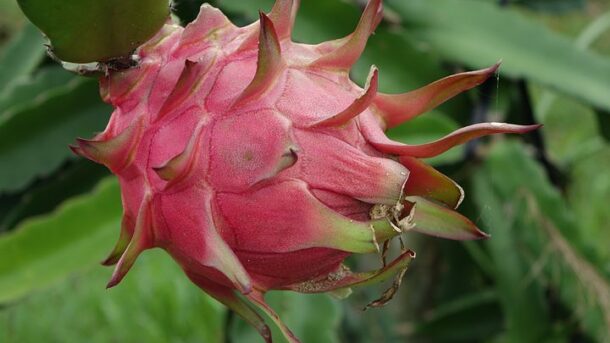
Dragon fruit is a nutrient-demanding crop that requires regular applications of fertilizer to achieve optimal growth and yields. Organic matter plays a very important role in dragon fruit development and growth. Each plant  should be applied with 10-15 kg of organic compost. Thereafter, increase the amount by 2kg per year

This crop requires inorganic fertilizers for rapid growth in vegetative parts. In vegetative stage, this fertilizer ratio is as follows,muriate of potash :super phosphate :urea =40:90:70 grams/plants.

Low amounts of nitrogen and large amounts of potash should be sprayed during the fruit-bearing period to increase yield.

How do oil cakes help plants?

oilcakes

 Oil cakes can help plants in several ways:

Nutrient-dense fertilizer: Oilcakes are high in nitrogen, phosphorus, and potassium, all of which are essential plant nutrients. The use of oil cakes as a fertilizer can improve soil health and crop yield.

Soil improvement: By adding organic matter to the soil, oilcakes can improve soil structure and fertility. This can aid in reducing soil erosion, increasing water retention, and encouraging healthy root growth.

Pest control: Natural compounds in oilcakes can act as a repellent to pests, reducing the need for chemical pesticides.

Nitrogen-fixing bacteria: Nitrogen-fixing bacteria can be found in some oilcakes, such as soybean oilcake. These bacteria aid in the conversion of atmospheric nitrogen into a form that plants can use, thereby increasing soil nitrogen content.

What is the treatment of spotted bollworm in Lady’s finger (Bhendi) crop?

spotted bollworm

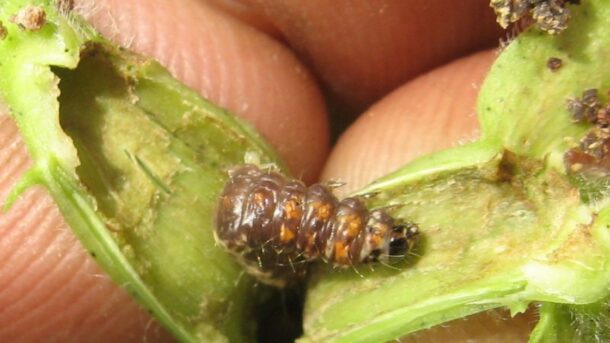
The larvae of the Spotted bollworm (Earias vittella) primarily attack the shoot. It causes terminal shoots to dry and drop during the pre-flowering stage, as well as holes in the fruit during the young fruiting stage.

Bioinsecticide sprays containing Bacillus thuringiensis are used to control the population peak of the spotted bollworm. Spraying with 5% Neem Seed Kernel Extracts (NSKE) or Neem Oil (15000pm) @ 5ml/l is also beneficial.

Insecticides containing chlorantraniliprole, emamectin, benzoate, flubendiamide, or esfenvalerate are primarily used during the egg stage. Before using any chemical treatment, it is essential to consult with a professional and follow the instructions on the pesticide label.

What are oilcakes?

oilcakes

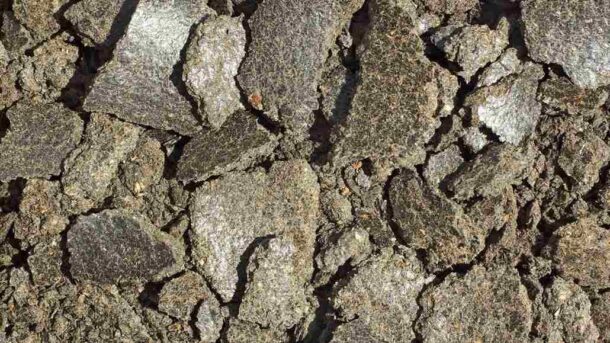
Oilcakes are a byproduct of oil extraction, which is the extraction of oil from seeds or nuts. The remaining solid matter is referred to as oilcake or meal. It is a high-protein source that is used as animal feed or as a fertilizer. Oilcakes, which are both edible and non-edible, are used as manure.

Mustard cakes, Neem Cakes, and Groundnut Cakes are excellent examples of oil cakes. Certain oil cakes made from poisonous seeds such as castor beans and tung nuts are used as fertilizers instead of animal feed.