Organic Inputs

 What are the challenges and benefits of transitioning to organic farming?

transitioning to organic farming

Converting to organic farming has advantages and challenges. An outline of the difficulties and advantages of the transitioning to organic farming is given below:

Transitioning to organic farming has its challenges.

Transitional period: Farmers must follow organic practices during this time without being able to name their produce as organic in order to receive organic certification. Typically, this transition period lasts several years, during which farmers could experience difficulties with their finances and market accessibility.

Acquiring new information and skills: Making the switch to organic farming frequently calls for farmers to do so. The methods used in organic farming may be very different from those used in conventional farming, therefore farmers must become familiar with organic soil fertility management, pest and disease control, weed management, and certification standards.

Variability in yield: As the soil acclimates to organic farming methods during the early transition period, farmers may encounter variability in yield. As the soil regains its health and fertility through organic methods, temporary yield losses may happen. This problem can be reduced with good planning, soil management, and agronomic techniques.

Management of pests and diseases: Integrated pest management (IPM) techniques and organic pest control approaches are used in organic farming. Without synthetic drugs, controlling pests and illnesses can be more difficult and may call for a deep understanding of crop dynamics, pest life cycles, and ecological relationships.
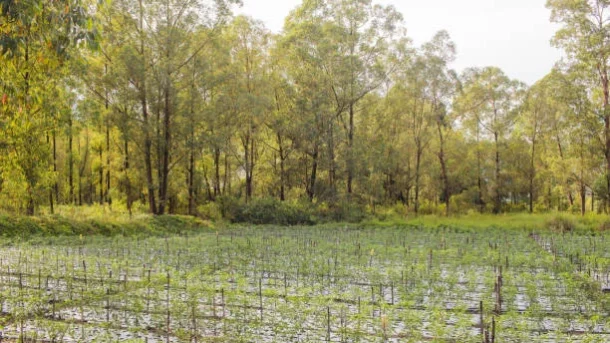
How does organic farming minimize the use of synthetic inputs?

synthetic inputs

By employing certain techniques and guiding principles that give natural and organic alternatives priority, organic farming reduces the usage of synthetic inputs. The following is how organic farming does this:

Natural pest and disease management: Rather than relying on synthetic chemical pesticides, organic farmers put their attention on naturally preventing and controlling pests and illnesses. Crop rotation, intercropping, biological management (using helpful insects or predators), physical barriers, and the choice of pest-resistant varieties are a few examples of these techniques. Organic farmers are able to effectively control pests and diseases without the use of synthetic chemicals by fostering biodiversity and implementing these integrated pest management (IPM) techniques.

Management of soil fertility: Organic farmers use natural sources of nutrients to feed the soil rather than manufactured fertilizers. They use organic matter like compost, manure, or green manure, as well as techniques like crop rotation and cover crops. These organic inputs replace the nutrients in the soil, increase the amount of organic matter in the soil, strengthen soil structure, and promote the growth of beneficial soil microbes. This method decreases the requirement for synthetic fertilizers while promoting long-term soil fertility.

Weed control: Organic farmers use a variety of techniques rather than synthetic chemicals to control weeds. These strategies include cover crops, mechanical weed management (such as hand weeding, hoeing, or mulching), and precise cultivation methods. 

Genetic diversity and crop choice: The utilization of various crop rotations and the choice of plant types that are innately adapted to local conditions and have built-in resistance to pests and diseases are key components of organic farming. Organic farmers lessen their reliance on synthetic inputs by fostering genetic diversity, which also helps them grow resilient crops that are more resistant to pests and illnesses.

What is the role of cover crops in regenerative agriculture?

regenerative agriculture

By offering a variety of advantages for soil health, nitrogen management, weed suppression, erosion control, and biodiversity restoration, cover crops play a critical role in regenerative agriculture. The main functions of cover crops in regenerative agriculture are as follows:

Improved soil health is a result of cover crops’ higher organic matter content and better soil structure. When cover crops are cultivated, their root systems aid in forming pores and channels in the soil, which improves root penetration, water infiltration, and aeration. As cover crops rot, they add organic matter to the soil, boosting microbial activity, soil fertility, and nutrient cycling.

Cycling and availability of nutrients: Cover crops serve as living mulches that draw nutrients from the soil profile and recycle them. They scavenge and absorb surplus nutrients, stopping leaching and releasing them for later income crops. When cover crops are removed, the nutrients are then made available to the subsequent crop. This nutrient cycle lessens the need for synthetic fertilizers, increases the effectiveness of nutrient utilization, and aids in preserving the soil’s balanced nutrient levels.

Suppression of weed development: By competing with weeds for nutrients, water, and light, cover crops can effectively stifle weed growth. By covering the ground with a thick layer of vegetation, they prevent weeds from emerging and growing as much. Herbicide use is decreased due to this natural weed suppression, and succeeding crops are subject to less weed pressure.

 How does regenerative agriculture promote soil health and biodiversity?

soil health and biodiversity

Regenerative agriculture is a method of farming that emphasizes improving ecosystem processes, such as soil health and biodiversity, and restoring them. It entails techniques that enhance soil organic matter, enhance soil structure, and support a variety of plant and animal life in harmony with natural systems. Here are some ways that regenerative agriculture encourages soil health and biodiversity:

Regenerative agriculture approaches place an emphasis on the use of cover crops, crop rotation, and little soil disturbance (such as no-till or reduced tillage). These techniques help to increase soil organic matter and carbon sequestration. By increasing the amount of plant leftovers that are introduced into the soil, these techniques improve soil organic matter buildup. Improved soil structure, water-holding capacity, nutrient retention, and microbial activity are all benefits of soil organic matter. A further benefit of increasing soil organic matter is the storage of carbon.

Cycling of nutrients and the soil microbiology are both supported by regenerative agriculture. A consistent source of organic matter and root exudates is provided through the use of cover crops and varied crop rotations, which in turn feed beneficial soil microbes. As a result of microbes decomposing organic materials and increasing the availability of nutrients to plants, this improves nutrient cycling. Improved soil fertility, disease prevention, and overall ecosystem resilience are all benefits of healthy soil microbiomes.

The maintenance of hedgerows, buffer strips, or diversified field edges, among other regenerative agricultural methods, creates homes for beneficial insects, pollinators, birds, and other species. These environments promote biodiversity and aid in environmental balance, pollination, and natural pest management. Agroecosystems that are more resilient and well-balanced are made possible by promoting natural biodiversity.

Which scheme provides financial assistance for the establishment of marketing infrastructure for organic products?

financial

The “National Program for Organic Production” (NPOP) is one program that offers financial support for the creation of a marketing infrastructure for organic products in India. NPOP is a government program run by the Ministry of Agriculture and Farmers Welfare that aims to support organic farming methods and the growth of the nation’s organic markets.

Financial support is given under the NPOP for a number of organic product marketing infrastructure-related components. The program seeks to aid in the development of effective and reliable marketing channels that guarantee fair prices, enhanced market accessibility, and enhanced market connections for organic farmers and producers.

The specific NPOP elements that support the organic product marketing infrastructure are as follows:

Development of Organic Value Chains: The program encourages the creation of organic value chains, which entail the construction of marketing infrastructure like collection points, processing units, cold storage facilities, grading and packaging facilities, and certification and quality control labs. The establishment and improvement of such facilities are encouraged through the provision of financial aid.

Development of Organic Markets: NPOP focuses on developing organic markets by offering assistance in opening organic stores, farmers’ markets, and retail establishments that are solely devoted to selling organic goods. To raise consumer knowledge and demand, financial aid is also provided for the advertising and branding of organic products.

Market Promotion and Linkages: In order to enhance direct marketing opportunities for organic farmers, the program promotes participation in organic trade shows, exhibitions, and buyer-seller gatherings. 

Certification and Traceability: NPOP offers financial support for organic certification procedures, covering certification fees as well as costs associated with adhering to organic standards. This ensures that organic products live up to the necessary criteria for quality and authenticity, boosting customer trust and commercial adoption.

Which scheme provides financial assistance for the establishment of bio-fertilizer production units?

bio-fertilizer production units

The “National Mission on Sustainable Agriculture” (NMSA) is one program that offers financial help for the building of bio-fertilizer production units in India. The Department of Agriculture, Cooperation & Farmers Welfare, Ministry of Agriculture and Farmers Welfare, Government of India, is in charge of implementing the National Mission on Sustainable Agriculture.

The Sub-Mission on Seeds and Planting Material (SMSP)’s main goals and initiatives in relation to the manufacture of bio-fertilizers typically consist of the following:

Financial Support: The program offers financial support for the creation of bio-fertilizer production units to business owners, farmer producer organizations (FPOs), and other qualifying entities. A portion of the capital investment needed for infrastructure construction, equipment acquisition, and other costs associated with the manufacture of bio-fertilizer is covered by the financial support.

The SMSP places a strong emphasis on the standardization and quality control of bio-fertilizers. For bio-fertilizer production units, it encourages adherence to quality criteria, certification specifications, and good manufacturing practices. This guarantees the creation of high-quality bio-fertilizers that adhere to the required criteria and effectively feed crops with nutrients.

Training and Capacity Building Programs: The plan includes training and capacity building initiatives for biofertilizer manufacturers. It offers technical help, training on bio-fertilizer production methods, quality control, and best practices to improve the abilities and understanding of business owners and employees involved in the manufacture of these fertilizers.

Market Promotion and connections: For bio-fertilizers, the SMSP encourages market promotion and connections. It helps biofertilizer producers interact with farmers, agricultural input suppliers, and other stakeholders in the agricultural sector, facilitating market access, branding, and market intelligence. This encourages the use of bio-fertilizers and opens up markets for bio-fertilizer goods.

Name a government initiative that provides financial assistance for the development of organic input production units.

organic input

The “Paramparagat Krishi Vikas Yojana” (PKVY) is one government program that offers financial aid for the establishment of organic input producing units in India. The Ministry of Agriculture and Farmers Welfare, Government of India, is in charge of implementing the Paramparagat Krishi Vikas Yojana.

The Paramparagat Krishi Vikas Yojana’s main goal is to support farmers in adopting organic farming practices and to promote organic farming practices. By offering financial aid and technical help, the program encourages farmers to switch from traditional, chemical-based agricultural to organic farming.

The Paramparagat Krishi Vikas Yojana offers financial support for a number of organic farming-related initiatives, including the creation of organic input production facilities. These facilities concentrate on creating organic inputs needed for organic farming methods, such as compost, bio-fertilizers, bio-pesticides, organic manures, and other organic inputs.

The PKVY provides financial support for the construction of infrastructure, the purchase of equipment, training, and capacity building for farmers working in organic input production units. It attempts to increase the accessibility of high-quality organic inputs and lessen agriculture’s reliance on synthetic chemicals.

Name a government program that aims to promote organic farming among tribal communities in India.

farming among tribal

The “Van Dhan Vikas Kendra” (VDVK) project is one government initiative that is specifically designed to encourage organic farming among tribal tribes in India. The Ministry of Tribal Affairs, Government of India, runs the VDVK scheme, which aims to improve tribal communities’ quality of life by adding value to, developing skills in, and marketing non-timber forest products (NTFP), including organic agricultural products.

The following are some of the main goals of the Van Dhan Vikas Kendra program:

Promotion of Organic Farming: The program encourages tribal tribes to adopt organic farming among tribal methods. In addition to minimizing the use of synthetic inputs and promoting the use of organic fertilizers, biopesticides, and conventional farming practices, it encourages tribal farmers to embrace sustainable agricultural practices.

Van Dhan Vikas Kendra establishment is the main goal of the plan, which aims to create tribal community-owned businesses. These Kendras act as common hubs for NTFP and organic agricultural produce processing and commercialization. For value addition, packaging, branding, and marketing of their organic produce, they offer infrastructure, training, and assistance to tribal farmers.

The VDVK initiative places a strong emphasis on adding value to tribal agricultural products. It encourages tribal farmers to strengthen their skills so they can advance their understanding and proficiency in organic farming, post-harvest processing, value addition, and product diversification. This includes instruction on ways for processing food produced organically, as well as on quality standards and entrepreneurship growth.

Which government initiative focuses on promoting the use of bio-fertilizers and bio-pesticides in agriculture?

government

The “National Project on Organic Farming” (NPOF) is one government program that emphasizes encouraging the use of bio-fertilizers and bio-pesticides in agriculture. The Department of Agriculture, Cooperation & Farmers Welfare of the Government of India administers the NPOF, a program that is centrally financed.

The National Project on Organic Farming’s main goals are as follows:

Promotion of Organic Farming: The initiative’s goal is to spread awareness of organic farming techniques, which place a focus on using natural inputs and biological approaches to crop nutrition and pest control. It promotes the use of organic inputs like bio-fertilizers and bio-pesticides while reducing or eliminating the use of synthetic chemical inputs.

Building awareness and capacity: The program’s main objective is to educate farmers and other stakeholders about organic agricultural practices. It offers training courses, seminars, exhibits, and extension services to inform farmers about the advantages and practices of applying bio-fertilizers and bio-pesticides in farming.

Technology Demonstration and Dissemination: To demonstrate the efficient application of bio-fertilizers and bio-pesticides, the NPOF promotes the creation of model organic farms and demonstration plots. It encourages farmers to embrace these practices and makes it easier for successful organic farming methods to spread.

Research and Development: The initiative supports studies and experiments on new bio-fertilizers and bio-pesticides, as well as research and development in the area of organic farming. It promotes research initiatives, partnerships with academic institutions, and the selection of appropriate bio-agents.

Which scheme focuses on soil health management and promoting the use of organic fertilizers?

soil health

The “Soil Health Card Scheme” (SHC) is a program in India that promotes the use of organic fertilizers and focuses on managing soil health. The Ministry of Agriculture and Farmers Welfare’s Department of Agriculture, Cooperation, and Farmers Welfare administers the Soil Healths Card Scheme.

The Soil Health’s Card Scheme’s main goal is to evaluate the nutritional condition of agricultural soils and offer farmers personalized advice for enhancing soil fertility and health. The program encourages the use of organic fertilizers, the prudent use of chemical fertilizers, and long-term soil management techniques.

The Soil Health’s Card Scheme’s main characteristics and objectives include:

In accordance with the plan, accredited soil testing laboratories gather soil samples from farmers’ fields for analysis. The examination offers details on the soil’s organic carbon content, pH level, nutrient content, and other significant characteristics relating to soil healths.

Customized soil health cards: Farmers are given a Soil Health’s Card that is made specifically for them based on the findings of the soil test and offers advice for the administration of balanced nutrients. The guidelines outline the proper types and amounts of soil amendments, organic and inorganic fertilizers, and other inputs necessary for the best crop development and yield.