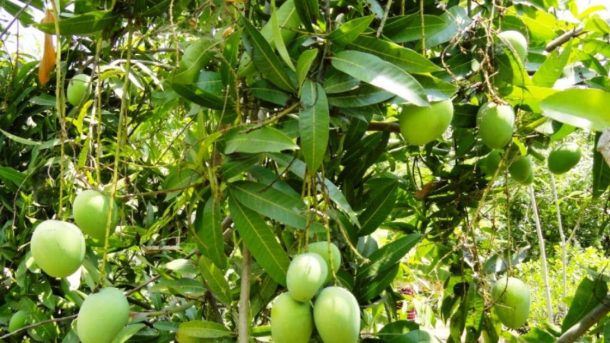
By using Panchagavya in a mango field, it helps in more flowering and you can also get more female flowers. The fruiting will be continuous and regular with the use of Panchagavya. The quality of mangoes will be good and they can be maintained for approximately 10 days in normal room temperature. The mangoes grown using Panchagavya will have a very good flavor and aroma.
Organic Inputs
What are the benefits of using Panchagavya on the yield of Jasmine?
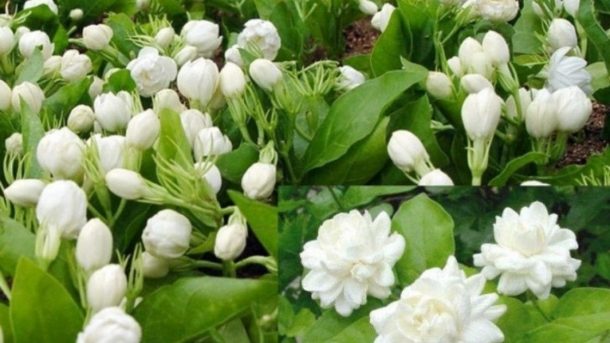
With the use of Panchagavya, the flowers of jasmine will raise with an excellent aroma and fragrance. There would be no bud worms seen during the production or the harvest. There would be flowering throughout the year if Panchagavya is sprayed.
What are the benefits of using Panchagavya on the yield of Banana crop?
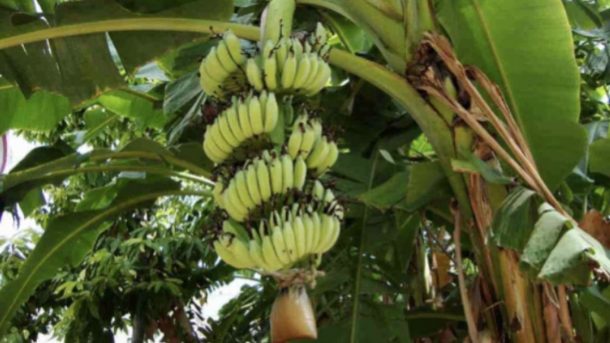
In case of the yield of bananas, Panchagavya will not only be added to the irrigation water and sprayed but 2 % of the solution of Panchagavya will be tied at the naval end of the bunch of the bananas. This is done after the male bud is removed. With this, the size of the bunch becomes equal and uniform in shape. The harvest of bananas can be seen before a month than the regular harvest.
What are the benefits of using Panchagavya on the yield of turmeric crop?
In the case of turmeric, using Panchagavya increases its yield up to 20%. It will have less loss of drainage when compared to normal yield. The turmeric will have long fingers if it is grown using Panchagavya. The ratio of mother and finger rhizomes will be narrowed by using Panchagavya. The turmeric will survive the spiders, dragonflies etc. This would also help in the decrease of diseases caused by the use of pesticides. The turmeric grown using Panchagavya can also be sold at a higher price. Increases the content of curcumin in the turmeric.
How harvesting of sea weed is done?
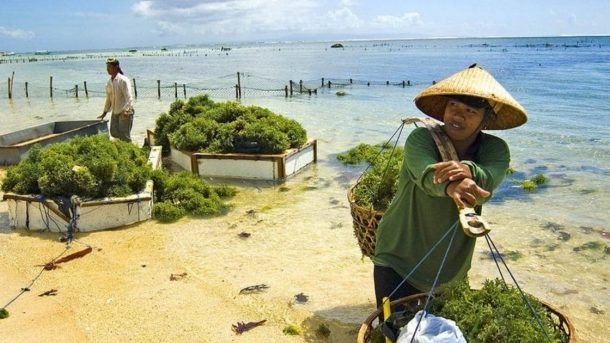
It is easier to harvest sea weed from above the low water line and it will be less wet. Limit our impact by picking lightly from some areas. Each patch of seaweed provides food and shelter for various small marine species. Choose no more than a third of the seaweed from any patch and move on to another spot. If you are cutting sea weeds do not take the entire plant but leave a good anchor of at least 20cms to facilitate new development.
How is liquid sea weed fertilizer made?
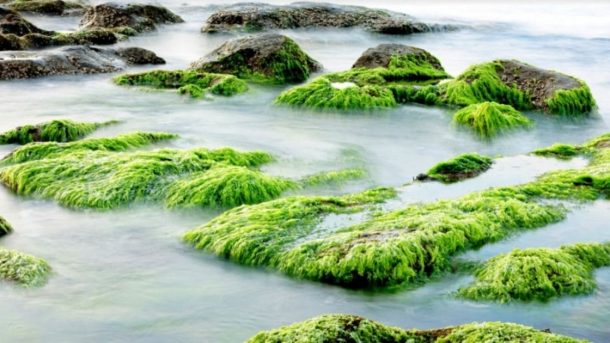
Liquid sea weed fertilizer are made from several species of sea weed that are washed, dried, milled and processed to enable the natural benefits to go into effect immediately upon contact with either the plants foliage or the soil itself. This speed up the natural processes by converting raw seaweed into an easily applied and digested weed.
The harvesting process ensure the sustainability of the natural crop. Choosing healthy weeds growing under optimum conditions guarantees the best growth promoting substance yield. Liquid sea weed extract is formed with no acid and no caustic or organic solvents. It is an organic product that has been extensively used in organic grower trials.
What is Regenerative Organic Agriculture?
Regenerative organic agriculture goes beyond the standards of organic certification. One should treat each farm as a unique organism. Regenerative Agriculture comprises the use of comprehensive soil fertility management, composting, sees collection, water management along with crop protection and crop rotation. It states to working with nature to utilize healthy soil microbiology and photosynthesis to draw down greenhouse gases. Using compost, reduced tillage, crop rotation and cover crops, we can sequester more carbon than is currently emitted from the atmosphere, tipping the needle past 100% to reverse climate change.
What is National Program for Organic Production (NPOP)?
It is a national wide program that involves an accreditation program for certification bodies, norms for organic farming and promotes organic agriculture. The standards of NPOP are recognized by European and Switzerland committees, as they are similar to their standards. Also, NPOP is considered equivalent to USDA(US).
What are biofertilizers and how many types of biofertilizers are available?
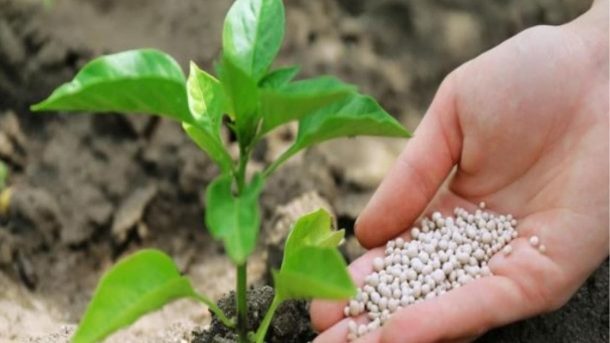
Biofertilizer is defined as the capability of a microorganism to fix the atmospheric nitrogen by planting suitable crops in the soil. These microorganisms tend to mobilize nutritive elements from a non usable form to a usable form by a biological process. There are two types of biofertilizers:
Symbiotic N-fixation (Rhizobium)
Asymbiotic N-fixation (azotobacteria, azospirillum, blue green algae, azolla and mycorrhiza).
What are the different types of Organic farming?
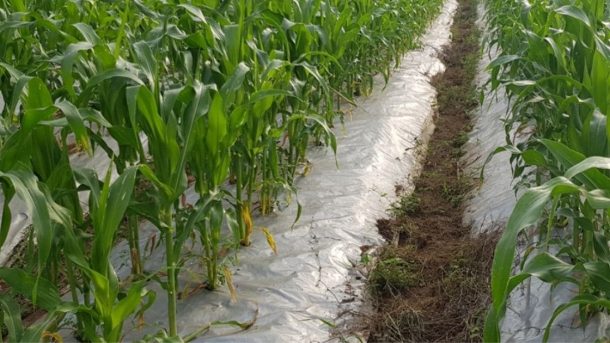
Basically, organic farming is of two types such as pure organic farming and integrated organic farming. Pure organic farming as the name suggests, involves the use of organic substances and completely avoids inorganic chemicals and pesticides. Whereas, integrated organic farming is a more sustainable form of agriculture that is dynamic in nature. Mostly used integrated pest management and integrated nutrient management practices.