Organic Inputs

Do biofertilizers contribute to reducing greenhouse gas emissions?

reducing

Yes, biofertilizers can help reduce greenhouse gas (GHG) emissions, especially when it comes to emissions based on nitrogen. Reducing the demand for synthetic nitrogen fertilizers, which are linked to large GHG emissions during their production, shipping, and usage, is one of the key ways that biofertilizers aid in this. Here is how using biofertilizers can help cut greenhouse gas emissions:

Nitrogen Fixation: Nitrogen-fixing biofertilizers can transform atmospheric nitrogen (N2) into plant-useful forms like ammonia and nitrate. Examples include rhizobia bacteria and cyanobacteria. Nitrogen fixation is the name given to this process. Farmers can lessen their reliance on synthetic nitrogen fertilizers, which are made using energy-intensive methods that create GHGs such nitrous oxide (N2O), by employing nitrogen-fixing biofertilizers.

Reducing Nitrous Oxide Emissions: Using synthetic nitrogen fertilizers can result in a rise in nitrous oxide (N2O) emissions, a powerful greenhouse gas with a potential for much more global warming than carbon dioxide. Reduced use of synthetic nitrogen fertilizers results in decreased N2O emissions when biofertilizers are utilized to provide some of the necessary nitrogen.

Enhanced Nutrient Efficiency: By increasing plant nutrient uptake and minimizing nutrient losses through leaching or runoff, biofertilizers can increase the efficiency with which nutrients are used. Fewer nutrients are lost to the environment when nutrient efficiency is higher, which can lower the possibility of GHG emissions brought on by nutrient losses.

Organic Matter Decomposition: Some biofertilizers, such as those based on compost, aid in the decomposition of organic matter in the soil. Microbial activity is involved in the decomposition process, which may release some GHGs, but it also increases carbon storage in the soil, which might counteract the GHG emissions.

What is the impact of biofertilizers on soil structure?

soil structure

By encouraging soil aggregation, boosting soil porosity, and improving overall soil health, biofertilizers can have a beneficial effect on soil structure. The advantageous microorganisms included in biofertilizers aid in the creation and stabilization of soil aggregates, which are collections of bound-together soil particles. Here are various ways biofertilizers affect the composition of the soil:

Aggregation: Some biofertilizers, especially mycorrhizal fungi and other advantageous soil bacteria, exude gooey compounds known as polysaccharides and glomalin. As aggregates, these chemicals bind soil particles together like natural glues. By strengthening the soil’s structure and stability through aggregation, erosion is reduced.

Pore Space: Biofertilizers help the soil’s pores form, which are crucial for root penetration, water flow, and aeration. For instance, the mycorrhizal fungi’s hyphal networks produce small create tiny channels within the soil.

Water Retention: The soil can retain water more effectively thanks to biofertilizers’ improved soil structure. Because aggregated soil can hold more water, water runoff is less likely and plant roots have better access to water.

Nutrient Cycling: The processes of biofertilizers, such as the breakdown of organic matter and nutrient cycling, help the soil recycle nutrients. This improves the availability of nutrients to plants and promotes a balanced soil ecology.

Erosion Control: By fortifying the soil’s structure, biofertilizers reduce soil erosion. The development of solid aggregates shields the soil from wind and water erosion, halting the loss of important nutrients and topsoil.

Can biofertilizers be used in conjunction with chemical fertilizers?

chemical fertilizers

Yes, a combined nutrient management strategy in agriculture can include both chemical and biological fertilizers. Farmers can take use of the advantages of both types of fertilizers while improving nutrient availability and supporting sustainable agricultural practices by combining biofertilizers with chemical fertilizers. This integrated strategy has the following benefits:

In terms of nutrient availability, biofertilizers and chemical fertilizers can complement one another. Biofertilizers improve nutrient absorption efficiency and nutrient cycling, making the nutrients from chemical fertilizers more accessible to plants than those provided by chemical fertilizers, which deliver accurate and immediately available nutrients.

Utilization of biofertilizers can help minimize the need for manufactured chemical fertilizer. Farmers may be able to reduce the amount of chemical fertilizer required while maintaining or improving crop quality by adding biofertilizers.

Long-Term Soil Health: By encouraging microbial activity and enhancing soil structure, biofertilizers help maintain the long-term soil health and fertility. Over time, the detrimental effects of chemical fertilizer on soil health may be lessened by the integration of biofertilizers.

Environmental Benefits: Farmers can lessen the danger of nutrient leaching and water contamination brought on by excessive chemical fertilizer use by employing a combination of biofertilizers and chemical fertilizer. Organic farming methods are supported by this integrated strategy.

Crop-Specific Needs: While some crops may do better with the assistance of chemical fertilizer, others may do better with the assistance of biofertilizers. Farmers can customize nutrient management depending on the unique requirements of various crops using an integrated strategy.

How do mycorrhizal biofertilizers benefit plants?

mycorrhizal

Mycorrhizal biofertilizers work in symbiotic relationship with plant roots to help plants in numerous important ways. Mycorrhizal fungi associate with plants in a mutualistic connection that is advantageous to both parties. The following are the main advantages of mycorrhizal biofertilizers for plants:

Better Nutrient Uptake: Mycorrhizal fungi penetrate the soil with their hyphae, which significantly increase the surface area of the root that can absorb nutrients. They may draw nutrients from a larger area of soil, including phosphate, nitrogen, and micronutrients, and transmit those elements to the roots of the plants. Plant nutrition and growth are improved as a result of this better nutrient uptake.

Enhanced Water Absorption: Plants may absorb water from the soil more effectively thanks to the large hyphal network of mycorrhizal fungus. 

Drought Tolerance: Mycorrhizals biofertilizers improve plants’ capacity to absorb water and nutrients, which helps them survive the effects of drought stress. This increased ability to withstand water shortages is especially helpful when there is little rainfall or there are water restrictions.

Mycorrhizals fungi can cause systemic resistance in plants, which means they activate the plant’s defenses against diseases. As a result, there may be an increase in disease resistance and a decrease in vulnerability to specific plant diseases.

Reduced Transplant Shock: The disruption of a plant’s root system during transplantation can be stressful. Mycorrhizals biofertilizers help fresh transplants take root by promoting quicker root formation, facilitating nutrient and water intake, and minimizing transplant shock.

Can biofertilizers be used in hydroponic systems?

hydroponic systems

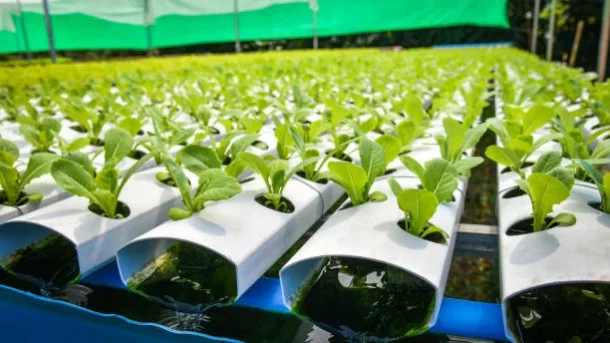
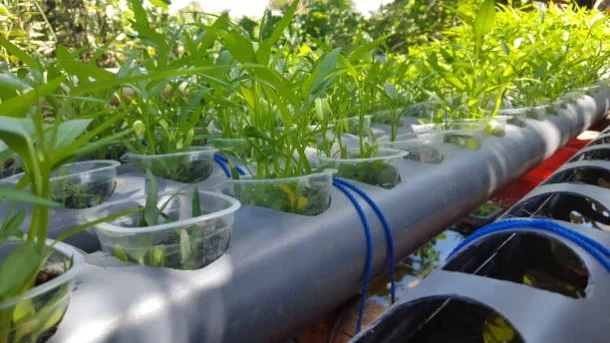
Yes, you can use biofertilizers in hydroponic systems to nourish plants and boost their growth. In a soilless growing technique called hydroponics, plants are grown in nutrient-rich water solutions with the roots receiving all the nutrients they need. Biofertilizers can be used as a natural substitute for traditional nutrient solutions or chemical fertilizers in hydroponic systems.

Biofertilizers can be added to hydroponic systems in a number of ways:

Microbial Inoculants: Biofertilizers with helpful microorganisms can be added to the hydroponic nutrient solution. Examples include bacteria that fix nitrogen or bacteria that break down phosphate. These bacteria can improve the availability and cycling of nutrients, which will improve plant growth.

Mycorrhizal fungus: Mycorrhizal fungus can form symbiotic associations with plant roots to help the roots absorb nutrients and water. 

Compost or Organic Extracts: In hydroponic systems, organic biofertilizers in the form of compost extracts or organic nutrient solutions can be utilized to provide plants with vital nutrients. These organic inputs support microbial activity in the root zone and serve as a source of nutrients.

Some biofertilizers function as biostimulants, generating chemicals that promote growth or igniting advantageous microbial activity in the hydroponic system. These biostimulants can improve plant vigor in general as well as root development and nutrient uptake.

The architecture of the system and the nutrient solution must be compatible with the biofertilizers before utilizing them in hydroponic systems. To maximize their efficacy, biofertilizers may need specific alterations to pH values, nutrient ratios, and environmental factors.

Are biofertilizers cost-effective compared to chemical fertilizers?

cost-effective

Several variables, such as the type of biofertilizer, the type of crop, the soil conditions, and regional agricultural practices, might affect how cost-effective biofertilizers are in comparison to chemical fertilizers. Biofertilizers may provide cost advantages in some situations, whereas chemical fertilizers may be more cost-effective in other situations. Here are some things to think about:

1. Initial expenditure: Compared to chemical fertilizers, biofertilizers may require a larger initial expenditure. Biofertilizers may have more complicated production, quality assurance, and distribution processes, which could result in higher initial costs.

2. Yield Response: Crops may respond differently to biofertilizers than they do to chemical fertilizers, and their yield response may not necessarily be as quick or as high. Chemical fertilizers usually offer a quick and boost in plant nutrition.

3. Chemical fertilizers can be tailored to meet the needs of certain crops and offer a precise nutrient analysis (e.g., N-P-K content). It is difficult to accurately control nutrient supply with biofertilizers due to their variable nutrient content and environmental influences on their nutrient release.

4. Long-Term Benefits: Biofertilizers may have a long-term positive impact on the fertility and health of the soil. They encourage microbial activity, facilitate nutrient cycling, and improve soil structure, all of which can result in long-term sustained increases in crop output. This long-term viewpoint may later result in economic savings and environmental advantages.

5. Lessened Chemical Use: Using biofertilizers helps lessen the need for synthetic chemical fertilizers, which can be pricey and could have harmful effects on the environment. Farmers can use biofertilizers to decrease input costs.

What is the difference between biofertilizers and biopesticides?

biofertilizers and biopesticides

Although both biofertilizers and biopesticides are products used in agriculture, their respective responsibilities in supporting plant health and warding off pests are unique. Here is a comparison between biofertilizers and biopesticides:

Biofertilizers:

The goal of biofertilizers is to improve soil fertility and plant nutrient availability by containing helpful microorganisms (such bacteria and fungus) or organic compounds.

Function: The main goals of biofertilizers are to boost plant nutrient intake, fix atmospheric nitrogen, solubilize phosphorus, and improve soil health. They don’t proactively defend plants from pathogens or pests.

Biofertilizers encourage the cycling of nutrients, release compounds that aid in plant growth, and form symbiotic associations with plants (such as nitrogen-fixing bacteria and mycorrhizal fungus).

Benefit: By lowering dependency on synthetic chemical fertilizers and enhancing soil structure, they help sustainable agriculture by encouraging better plant development and greater agricultural yields.

Biopesticides:

In order to prevent pests, insects, viruses, and diseases that impact crops, biopesticides are compounds derived from natural sources, such as beneficial microbes, plant extracts, or certain minerals.

Biopesticides’ main purpose is to manage or control pest populations, such as those of insects, nematodes, fungi, bacteria, and viruses that can harm crops.

Biopesticides have a variety of modes of action, including predation, parasitism, growth inhibition, and physiologic disruption of pests.

Benefit: Since biopesticides often have reduced toxicity to creatures other than their intended targets and do not leave hazardous residues in the environment, they provide a more sustainable and ecologically friendly method of pest management.

Do biofertilizers work for all types of crops?

types

Biofertilizers can be beneficial for a wide range of crops, but their effectiveness may vary depending on the type of biofertilizer, crop species, and environmental conditions. While some biofertilizers are more specific to certain crops or plant families, others have a broader spectrum of application. Here’s a breakdown of how biofertilizers work with different types of crops:

Leguminous Crops: Nitrogen-fixing biofertilizers, such as Rhizobium, are particularly effective for leguminous crops like peas, beans, lentils, and soybeans. These biofertilizers establish a symbiotic relationship with the roots of legumes, forming nodules where they fix atmospheric nitrogen and make it available to the plants.

Non-Leguminous Crops: While nitrogen-fixing biofertilizers have a specific association with leguminous plants, certain biofertilizers like Azotobacter and Azospirillum can promote nitrogen availability in non-leguminous crops as well. Although they are not as efficient as Rhizobium for legumes, they can still contribute to plant growth.

Every Crop: All types of crops benefit from phosphate-solubilizing biofertilizers and mycorrhizal fungus. All plants require phosphorus for growth, and phosphorus-solubilizing biofertilizers can increase phosphorus availability. Different plant species’ roots and mycorrhizal fungus develop symbiotic partnerships that improve nutrient uptake, drought resistance, and overall plant health.

Biofertilizers tailored for certain crop families include those that are crop-specific. For instance, whereas some biofertilizers are designed for cereals or vegetables, others are specifically intended to assist fruit trees. These crop-specific biofertilizers are frequently created to satisfy the target crops’ unique nutrient needs and growth characteristics.

How do biofertilizers promote plant growth?

plant growth

Through a number of methods, including increased nutrient availability, improved root development, and stimulation of chemicals that encourage plant growth, biofertilizers encourage plant growth. The following describes how biofertilizers aid in plants growth:

Biofertilizers contain certain bacteria that solubilize insoluble forms of nutrients, such as phosphorus, potassium, and sulfur, and fix atmospheric nitrogen (in the case of nitrogen-fixing biofertilizers). Biofertilizers offer an ongoing supply of vital nutrients, fostering healthy plant growth, by transforming unavailable minerals into forms that plants can quickly absorb.

Increased Nutrient Uptake: By promoting root growth and expanding the root surface area, biofertilizers increase the efficiency with which nutrients are taken up by plants. Microbial interactions with plant roots encourage the growth of lateral roots and root hairs, which improves the efficiency of nutrient uptake from the soil.

Auxins, cytokinins, and gibberellins are a few examples of the growth-promoting compounds produced by some biofertilizers, such as plants growth-promoting rhizobacteria (PGPR). These elements serve as organic plant hormones that promote the healthy growth and development of plants.

Induced Systemic Resistance: Some biofertilizers, especially mycorrhizal fungi, activate the plant’s defensive systems and cause induced systemic resistance. This procedure promotes healthier and more vigorous growth by assisting plants in their ability to fend off illnesses and pests.

Better Soil Structure: The production and stabilization of soil aggregates is aided by the activity of biofertilizers and the presence of advantageous microorganisms. Aeration, water flow, and root penetration are all improved by improved soil structure, which also improves nutrient uptake and general plant health.

Can biofertilizers be used in organic farming?

organic farming

Yes, biofertilizers are a staple of organic agriculture practices and are frequently utilized in organic farming. Organic farming attempts to support ecological harmony, reduce the use of artificial chemicals, and concentrate on ecologically beneficial and sustainable operations. Biofertilizers, which are organic in nature and depend on helpful microbes to improve soil fertility and boost plant growth, are in line with these concepts.

Why biofertilizers are appropriate for organic farming is as follows:

Non-hazardous and Environmentally Friendly: Biofertilizers are created from organic materials or living microorganisms and do not contain hazardous or synthetic chemicals. They present a negligible threat to water contamination, environmental pollution, and harm to beneficial creatures.

Enhancement of Nutrients: Through procedures including nitrogen fixation, phosphorus solubilization, and potassium mobilization, biofertilizers help to boost nutrients in the soil. They contribute to increasing the soil’s fertility and sustainably supplying plants with vital nutrients.

Improved Soil Health: Biofertilizers encourage the growth of a robust and diversified soil microbial community, which improves nutrient cycling, organic matter breakdown, and overall soil health.

Resource conservation: Biofertilizers promote resource efficiency, lessen reliance on chemical fertilizers, and help preserve natural resources for future generations.

Reduced Greenhouse Gas Emissions: Using nitrogen-fixing biofertilizers can aid in lowering greenhouse gas emissions caused by the manufacture and application of synthetic nitrogen fertilizers.