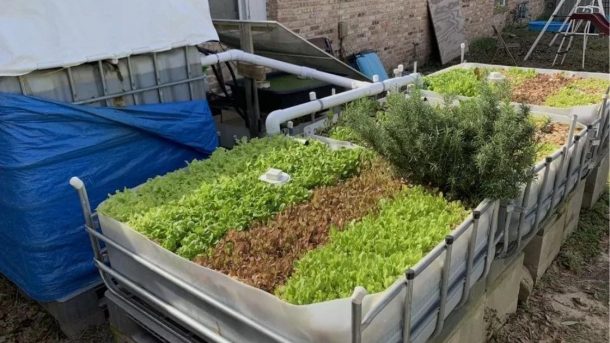
It is considered that Aquaponic systems do not use chemicals for pest and disease control due to the sensitivity of the system. So, the basic ides of pest or disease control in Aquaponics refers to the prevention of these things. Some general management techniques that can keep the Aquaponic farm healthy are biosecurity measures, periodic monitoring and scouting, installing insect screens inside the farm, keeping the farm clean and tidy by removing all the dead and dry matter etc. If by any chance pest or the disease occur within the system, then identify the proper cause and the type of pest or disease and apply suitable biological control. Allowing beneficial insects can be a possible biological control.
Pests
Which is one of the serious pests of Guava and how it can be managed?
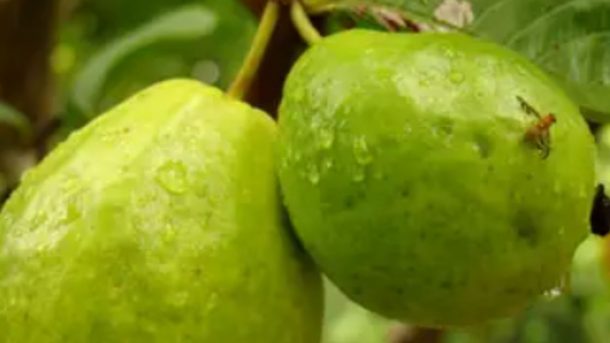
Fruit flies are the common and serious pest of the Guava. The flies lay eggs on the surface of Guava fruits at the color break stage. On hatching, the maggot enters into the guava fruit and feeds on soft pulp. When guava fruits are cut open the white maggots are seen in the flesh. It can be managed by the clean cultivation or sanitation of orchard is important to reduce/ check fruit infestation of fruit flies. Collect and dump deep in the pit the fallen infested guava fruits. Daily cover the fruit with soil and do not leave the pit uncovered for long. Avoid taking rainy season crop. Give two sprays of thiodan 35EC (endosulphan) 2 ml/liter or seven 50 WP (carbaryl) 2g/liter, one before maturity and second at maturity. No spray should be given at the ripening stage during the harvesting of fruit.
How mango hopper causes damage and how it can be controlled?
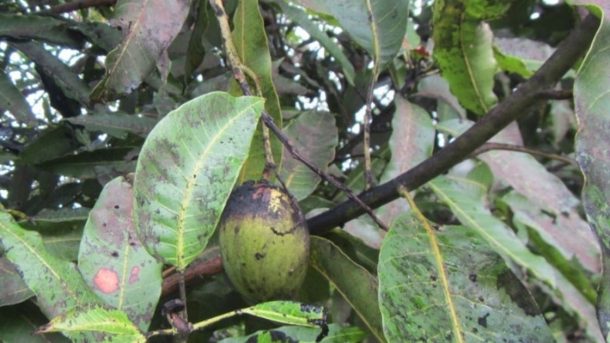
Hoppers are mainly considered as the most serious and widespread pest throughout the country. A large number of nymphs and adult insects’ puncture and suck the sap of tender parts, thereby reducing the vigor of the mango plants. Heavy puncturing and also continuous draining of the sap causes curling and drying of the infected tissue.
It can be controlled by three sprays of about 0.15 % carbaryl or 0.04 Monocrotophos or 0.05 % Phosphamidon or 0.05% Methyl Parathion are effective in controlling the hoppers. The first must be given at the early stage of panicle formation. The second spray at the full-length stage of panicles but before full bloom and then, the third spray after the fruit set at the pea size stage is recommended.
How to protect Apple trees from pests?
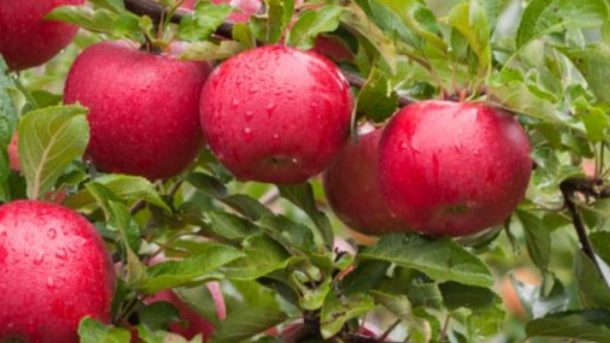
Pests can spread problems quickly over a singe tree or throughput an entire orchard of healthy apple fruit producers. There are few maintenance procedures to follow the apple trees growing season to keep disease spreading bugs. Before new leaves emerge in spring, spray the apple tree with non toxic horticultural oil that will smother the dormant insects along with their clusters of minuscule eggs.
Around early to mid-summer is a prime bug breading season and this is also the best time to control the insects with organic insecticides to stop them from mating and laying eggs on or near the budding fruit. Pests that attack apple trees and damage fruit and leaves contain the codling moth, maggot flies.
How topping helps to control pest population in cotton?
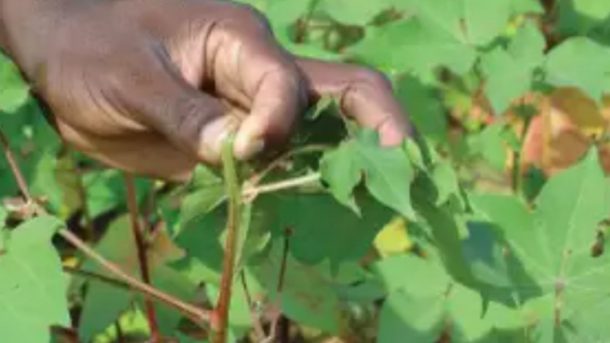
Removal of terminals of cotton crop (“Topping”) at 80-90 days of growth should be made to reduce Helicoverpa oviposition and also to encourage sympodial branching which bears more fruiting bodies.
What is Sabadilla and how it is useful?
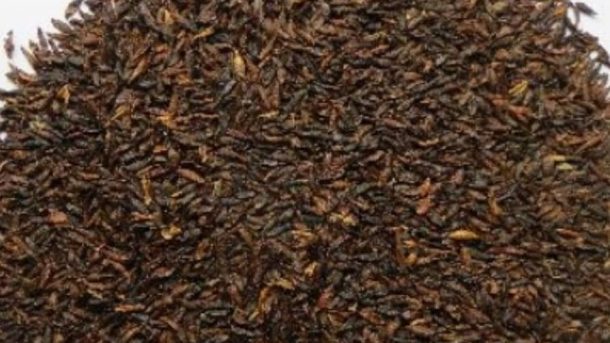
It is an alkaloid derived from the seeds of tropical lily (Schoenocaulon officinale). The alkaloids mainly cevadine and veratridine are contact poison and used for the control of houseflies and some other insects. It is harmful to pollinators i.e., honey bees.
What is plant quarantine?
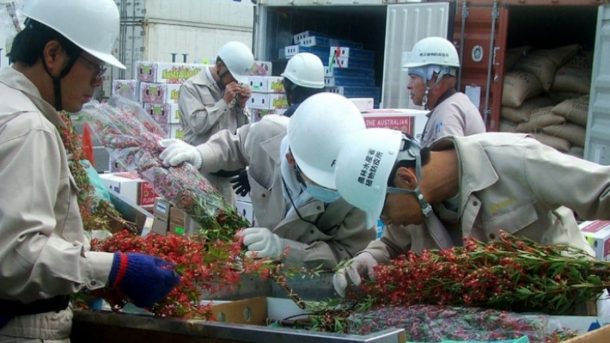
A plant quarantine can be defined as a legal restriction on the movement of agricultural commodities for the purpose of exclusion, prevention or delay in the establishment of plant pests and diseases in areas where they are not known to occur.
What are the damage symptoms of yellow stem borer and how it can be managed?
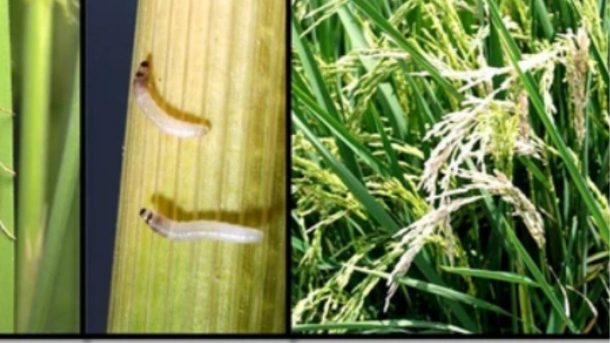
The damage is caused by caterpillars as a result ‘Dead heart’ formation takes place before flowering and after flowering ‘White Ear head’ develops. The ear heads dry up and no grain formation takes place. Basmati varieties suffer heavy damage than coarse varieties.
It can be managed by clipping of tips of seedling before transplanting, removal and destruction of stubbles at first ploughing. Fields showing more than 5 % ‘dead hearts should be sprayed with 625 ml of phosphamidon or 1.4 liters of monocrotophos or 2.5 liters of chlorpyriphos.
What is the invasive pest in chilli affecting the crop?
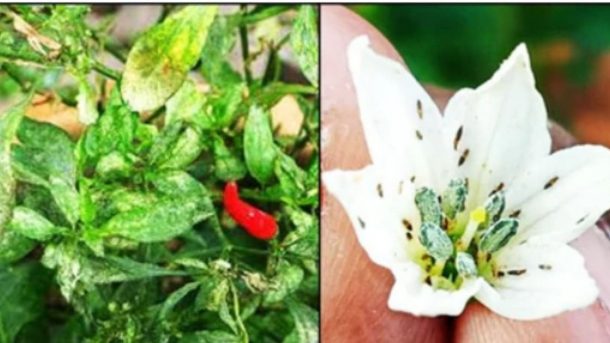
Thrips Parvispinus, an invasive insect from Indonesia first seen in 2015, has spread rapidly, affecting chilli crop in nearly 9 lakh acres in Telangana and Andhra Pradesh. All the places where chilli is grown is infested by this species. The infestation is so severe that we found 20-25 insects on each bud or flower.
“Due to excessive use of pesticides, the insect has developed resistance. It has spread to vegetable crops, including drumstick trees also, and has been seen on cotton plants at some places. The quality and yield of chilli crop will be affected this season. Farmers in Warangal and Khammam in Telangana, and in Guntur, Prakasam and Anantapur in Andhra Pradesh have uprooted the infested crop and sown alternative crops such as Bengal gram. It can be managed by the use of neem oil and neem cakes.
How to control pests mechanically?
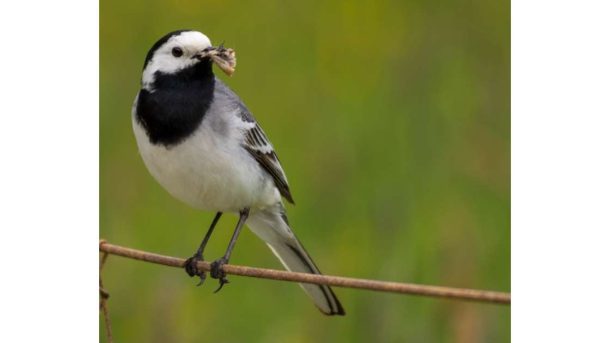
Pest control can be done mechanically by using light traps and destruction of trapped insects. Ropes are used for dislodging leaf feeding larvae e.g. caseworm and leaf folders. Pheromones are used for mating disruption and mass trapping. Removal and destruction of egg masses, larvae, pupae and adults of insect pests and diseased parts of plants wherever possible. Bird perches are installed in the field for birds to sit and feed on insects and their immature stages.