Plant diseases

Main Insect pest and their treatment in pigeon pea.

Rajendra Arhar

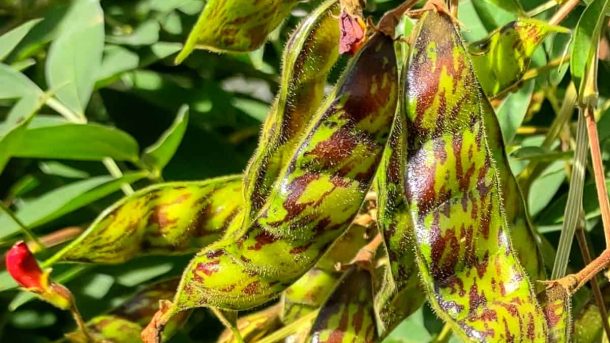
The main insect pests of pigeon pea and their treatments are: 

Pod borer (Maruca vitrata) and Leaf folder (Cnaphalocrocis medinalis): Chemical control with insecticides such as chlorantraniliprole, emamectin benzoate, or synthetic pyrethroids can be effective in controlling this pest and leaf folders.

Stem fly (Melanagromyza obtusa) and Shoot fly (Atherigona soccata): Crop rotation and the use of insecticides such as imidacloprid, lambda-cyhalothrin, and carbofuran can help manage this pest. 

Termites (Macrotermes spp.): Chemical control with insecticides such as chlorpyrifos or imidacloprid can be effective in controlling termites. Cultural practices such as crop residue removal and soil moisture maintenance can also aid in termite population reduction.

Aphids (Aphis craccivora): Aphids can be controlled by releasing natural enemies such as ladybirds and green lacewings, as well as using insecticides such as imidacloprid or acetamiprid

Thrips (Thrips palmi): The use of resistant varieties, the release of natural enemies such as predatory mites, and the application of insecticides such as spinosad or imidacloprid can all help control thrips.
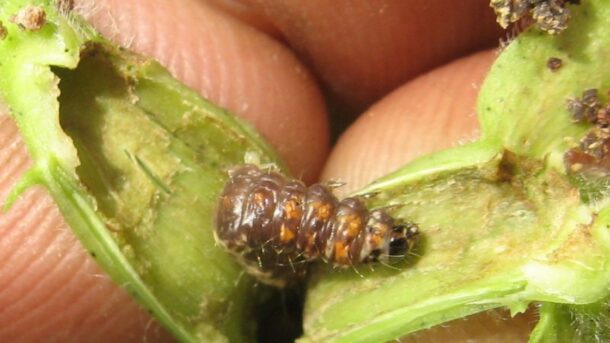
What is the treatment of spotted bollworm in Lady’s finger (Bhendi) crop?

spotted bollworm

The larvae of the Spotted bollworm (Earias vittella) primarily attack the shoot. It causes terminal shoots to dry and drop during the pre-flowering stage, as well as holes in the fruit during the young fruiting stage.

Bioinsecticide sprays containing Bacillus thuringiensis are used to control the population peak of the spotted bollworm. Spraying with 5% Neem Seed Kernel Extracts (NSKE) or Neem Oil (15000pm) @ 5ml/l is also beneficial.

Insecticides containing chlorantraniliprole, emamectin, benzoate, flubendiamide, or esfenvalerate are primarily used during the egg stage. Before using any chemical treatment, it is essential to consult with a professional and follow the instructions on the pesticide label.

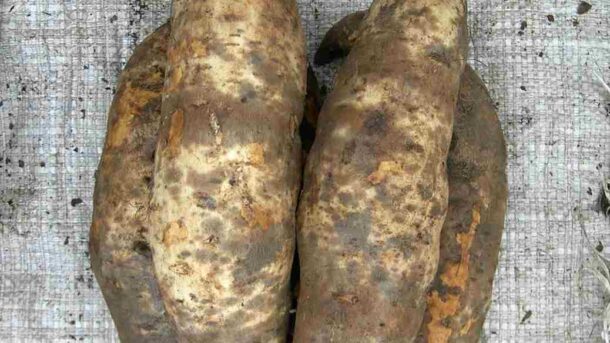
How Black Scurf disease cause damage to sweet potatoes?

Black Scurf disease

The soil borne fungus Monilochaetes infuscans causes Black Scurf disease in sweet potatoes, which can cause significant crop damage. The disease infects tubers and causes raised, dark-colored scabby lesions on the surface. 

This not only changes the appearance of the tubers, but also makes them more susceptible to secondary infections, which can reduce the crop’s quality and marketability even further. The fungus can also infect the plant’s stems and leaves, causing stunted growth and decreased yields.

How Pests and Diseases are Controlled for Growing Tulsi Organically?

Pests and Diseases

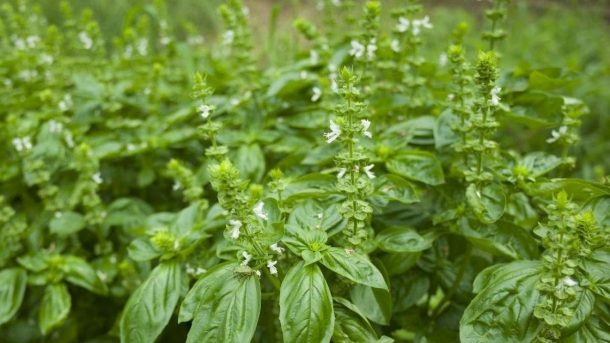
Some medicinal plants like Tulsi require production involving minimal or no usage of chemical pesticides. Some organic practices include control measures using neem-based formulations. Fish oil resin soap can be used to manage such sucking pests in Tulsi plants. Tulsi crop is generally free from pests and diseases. However, when grown in poor conditions, the Tulsi plant can be attacked by some common pests like mealy bugs, aphids, spider mites, and sometimes whiteflies. For treating Tulsi pests, use organic pesticides or insecticidal soap.

How root knot disease causes damage in carnation?

carnation

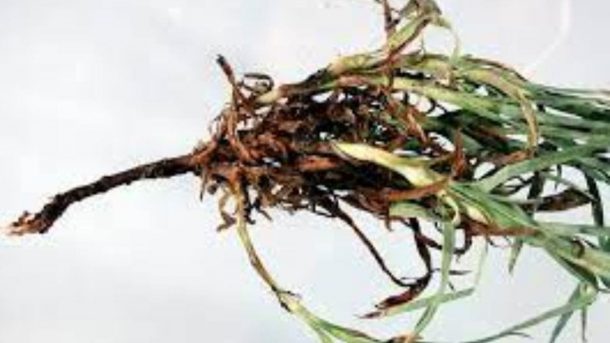
Root galls on carnation are caused by parasitic root nematodes, Meloidogyne spp. The most characteristic symptom of this disease is the profuse root swellings that assume innumerable shapes. The microscopic eel-shaped larvae of the nematode infect roots at the tip, where the tissue is soft and cell division is occurring. Symptoms of nematode-infected plants are lack of Vigour, stunting, and pale green to yellow leaves that tend to wilt in warm weather.