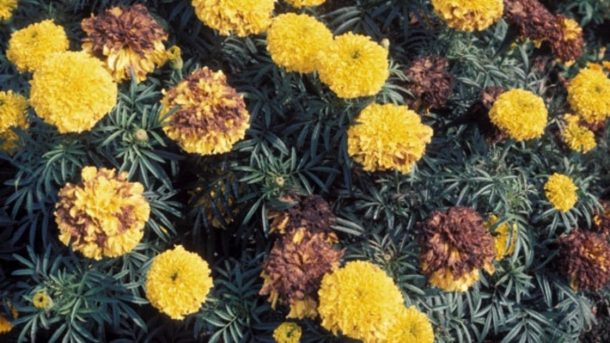
The fungus infects the blossom buds. The infected buds shrivel and become dark brown in colour. The pathogen also infects leaves causing blight. The infection is visible in the kind of brown necrotic spots on margins and tips of older leaves. It can be controlled by spray of Mancozeb @ 2 grams/liter of water to control effectively this disease.
Plant diseases
What are the damage symptoms of Damping Off in marigold and how it can be controlled?
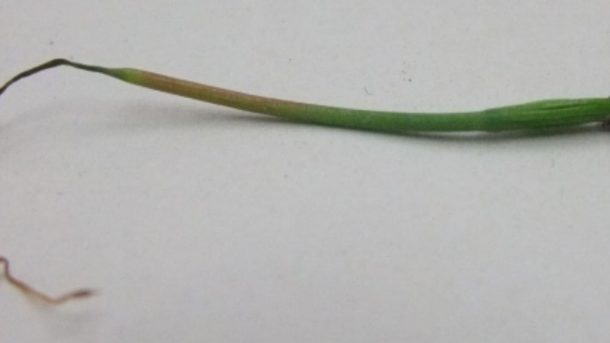
The disease is most prevalent in the seedling phase. Necrotic spots and rings develop on the young seedlings causing a collapse of the seedlings. A considerable loss is sustained if seedlings are not properly cared for. It can be controlled by Soil sterilization by Formalin @ 2% before sowing the seeds and spraying of Dithane Z-78 @ 2 grams/liter of water are effective in controlling this disease.
What are the damage symptoms of Rust disease in moringa and how it can be managed?
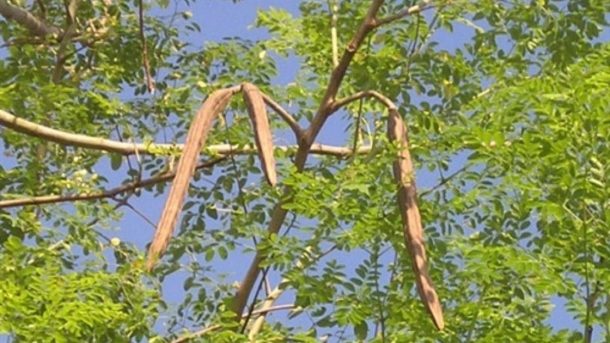
Pale leaf spots that eventually develop into pustules. The pustules are found most commonly on the lower leaf surface and produce huge numbers of microscopic pores. Severely affected leaves often turn yellow and fall prematurely.
Crop rotation and proper cultural management practices such as clean tillage help reduce the risk by reducing the amount of primary inoculum in the planting area. Application of fungicide can be done when conditions favour the disease development.
What are the damage symptoms of Anthracnose disease in moringa and how it can be managed?
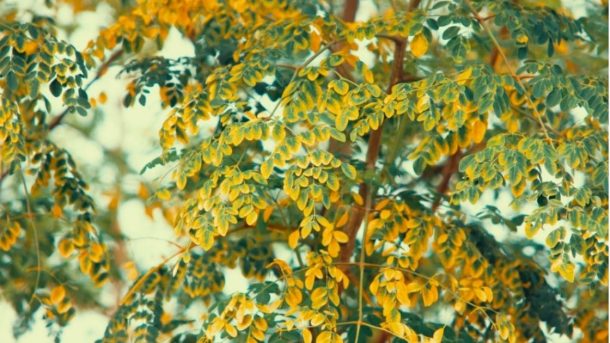
Leaf spots characterized by brown spots. Severely affected leaves gradually turned yellow and defoliated. Light pink and grey fusiform lesions can be observed on diseased stems. Spraying with protective and systemic fungicides can effectively control the disease. Pruning and burning of infected twigs is an effective cultural management practice to avoid further spreading of disease.
What are the damage symptoms of Damping off disease in moringa?
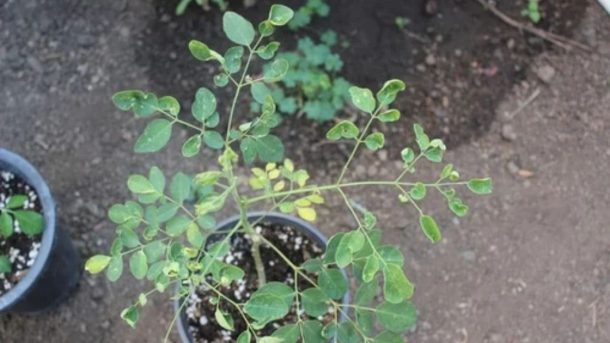
Common waterborne disease that can infect and kill a Moringa tree very quickly. Plants fail to germinate, become soft and mushy, and then turn brown, shrink, and finally disintegrate. Young seedlings can be attacked before emergence at any point, from which the infection spreads rapidly, the invaded cells collapse, and the seedling is overrun by the fungus and dies. Seedlings that have already emerged are usually attacked at the roots and sometimes in the stems at or below the soil surface.
What are the damage symptoms of Fruit rot disease in moringa?
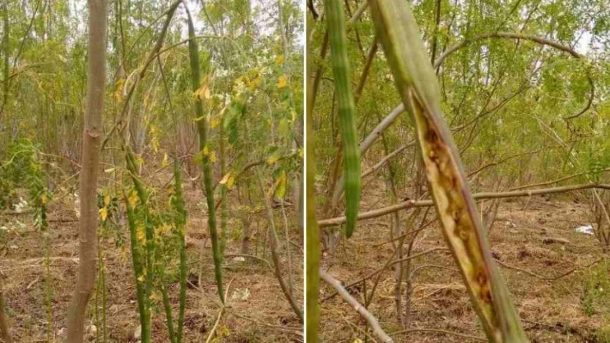
Pods reaching maturity showed extensive rot. The disease symptoms are observed all over the surface of the pods, more conspicuously at the stigmatic end. On green pods, elliptical or elongated sunken spots with reddish brown raised margins can be observed. The pods appear shrunken with thinner dimensions at their stigmatic ends, than healthy ones. In advanced stages of the disease, the pods rot and dried up pre-maturely leaving uneven raised spots over them. Fungicidal spraying is found effective in controlling the disease.
What are the damage symptoms of Fusarium wilt disease in moringa and how it can be managed?
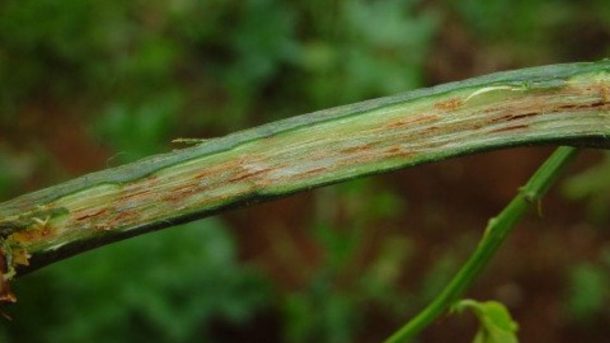
Plants affected with fusarium wilt exhibit yellowing of lower leaves in initial stages and discolouration of younger leaves soon follows. The leaves drop, wilt and dry. The disease affects a few branches in a plant or the entire plant may wilt irreversibly. The affected plants or branches dry up. The vascular bundles become brown. Plants are usually stunted in growth and fruits ripen prematurely.
Seeds should be planted in disease and nematode free soil. The infected plants should be removed and destroyed. Long crop rotation with non-host crops helps in reduction of the inoculum. Incidence of wilt has been significantly reduced with the application of fungicides as soil drench.
What are the symptoms of root rot disease in moringa and how it can be controlled?
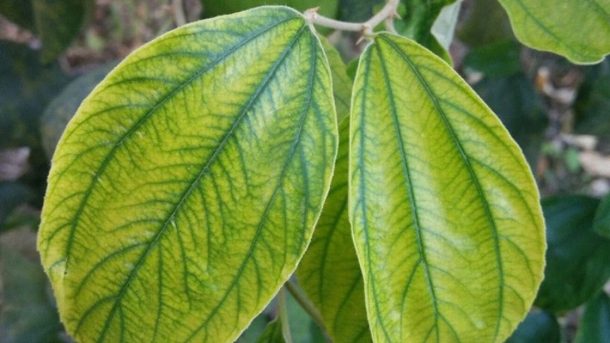
The symptoms of the disease appear as oozing of gum from the affected bark which remains as an encrustation on the bark. Droplets of gum trickle down the stem. Leaves turn yellow and pale and fruit yield is greatly reduced. It can be controlled by maintaining trees and keeping them in vigorous growing conditions. Broken limbs should be cut properly and wound in the bark especially on limbs and forks should be scraped and protected with Bordeaux mixture. Crop rotation, proper sanitation and removal of crop residues is effective in keeping the disease in check.
What are the symptoms of powdery mildew in moringa and how it can be controlled?
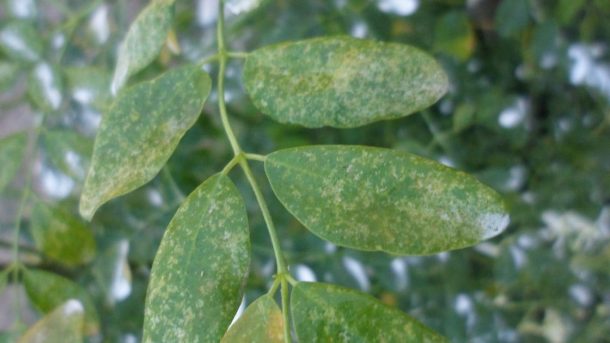
The symptoms appear as white to light grey powdery growth on the under surface of the leaves and the corresponding upper surface exhibits yellow lesions with brown necrotic centres. Affected leaves curl upwards and shed profusely. Affected plants lose their vigour and remain barren. Circular or oblong lesions that are 5 to 20 mm and have a chlorotic or necrotic appearance. The lesions appear on older leaves and there is also severe wilting and death of plants. It can be controlled byapplication of wettable sulphur at 0.2% gives better control. Sanitation and reduced water stress are effective preventive measures.
What diseases occur in potato plants and how they are controlled?
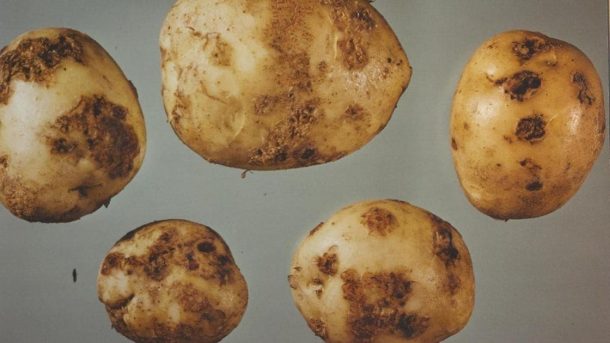
Highly prevalent disease if potato plant is bacterial wilt followed by early blight, late blight, scab and virus disease. The following can be done to minimize the occurrence of the diseases such as adopt crop rotation, using certified seed potatoes for planting, controlling the weeds in the farm area, deep ploughing the land is avoided, removing and destroying the diseased crops and sterilize the farm equipment before use.