Soil

Which soil is suitable for litchi farming?

suitable

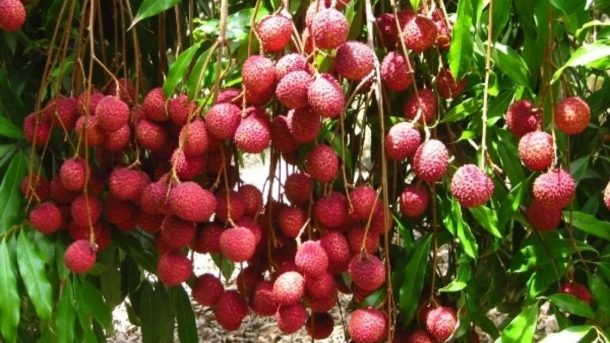
Deep loamy loam soil with normal pH value is most suitable for litchi cultivation. The soil of North Bihar which has high water holding capacity is considered best for its cultivation. Litchi is also being cultivated successfully in mildly acidic and laterite soils.

Its plants have good growth and fruit production in high water holding capacity and humus-rich soil. Waterlogged areas are not suitable for Litchi fruit. Any type of waterlogged soil is not suitable for litchi.
How land preparation is done for moringa farming?

moringa

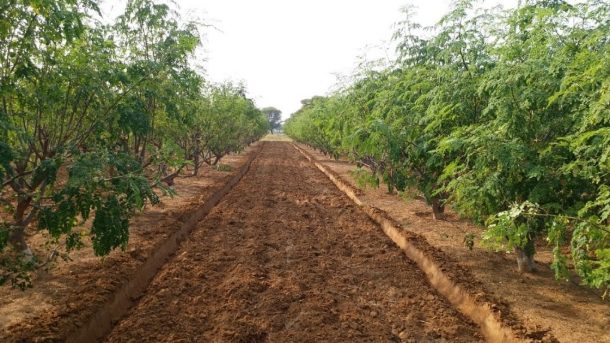
Moringa plants require a deep ploughing of the land before plantation and about 20 tonnes of farmyard manure are added to per hectare of the land. The pit of about 45×45×45 cm is dug, maintaining a space of 6×6 m for perennial crops and a space of 2.5×2.5 m for annual crops. Each pit is then followed by adding a mixture of 10 to 15 kg of farmyard manure with 100g of Nitrogen, 200g of Phosphorus and 50g of Potassium.

How land preparation is done for vanilla cultivation?

land preparation

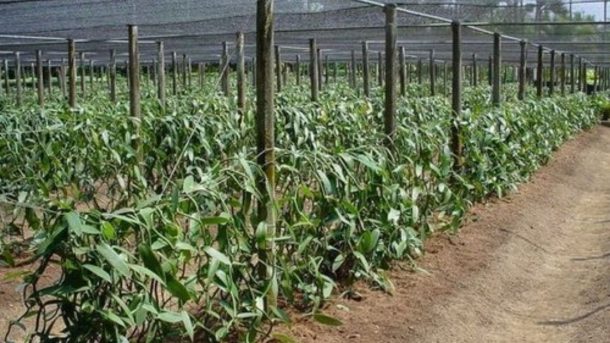
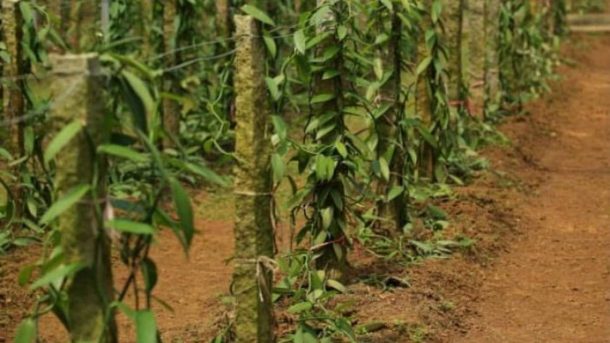
The land is prepared by ploughing it a couple of times to bring the soil to a fine tilth stage and to remove any type of weeds that may have been left from the previous crops. If the soil is not fertile, organic manure is added during the land preparation process. Vanillavines require support for growing, so any type of living trees, rock pillars or iron pillars can be arranged for supporting them.

Which soil is suitable for vanilla farming?

vanilla

Vanilla crop can be grown in various types of soils from sandy loam to laterites, but it grows well in loose and friable soils with any type of loamy texture and it requires high organic matter content in the soil for better production. The soil should have a well drainage facility with the lands having a gentle slope and the pH of the soil should range between 6.5 to 7.5. Vanilla cultivation in Western Ghats is best suited as the soils are rich in organic matter and humus and they also have good drainage facilities. For commercial cultivation of the crop, soil test is essential.

Which soil is suitable for growing oil palms?

growing

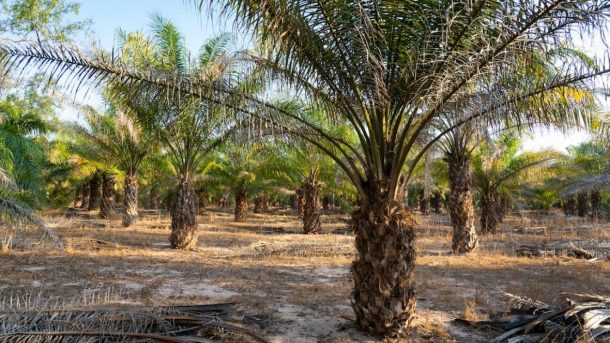
Oil pam crops can be grown in a wide range of soils. However, this crop thrives best in moist well drained, deep, permeable and loamy alluvial soils rich in good humus. This crop requires at least a meter depth of soil for easy root penetration in the soil. When growing commercially, a soil test should be carried out to find out the fertility of the soil. However, it should be avoided waterlogging, highly alkaline, highly saline and coastal sandy soils.

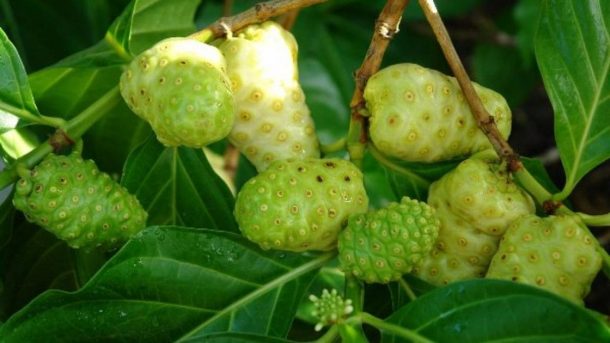
Which soil is suitable for growing Noni fruit?

soil

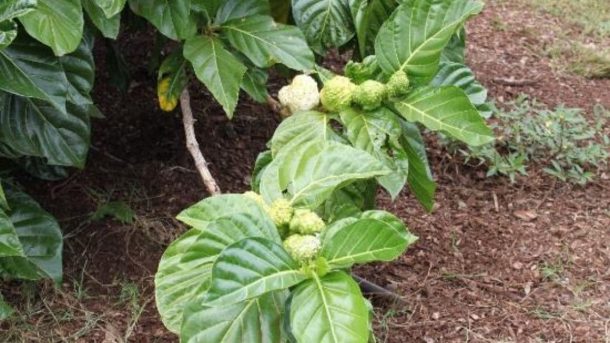
The soil should be free from weeds and nematodes and the soil should be mixed with sand, composted organic matter is excellent for seed germination. The soil affected with nematodes should be avoided or it should be treated with heat. The mulch like saw dust, leaf litter or sand should be applied over the seeds for weed control and moisture retention.

             The germination rate of seeds is high in conditions ranging from deep shade to full sun. The best seed germination can be achieved in light partial shade. After the germination, in early growing phases the plant needs partial shade.

How soil preparation is done for encouraging Banana flowering?

Banana

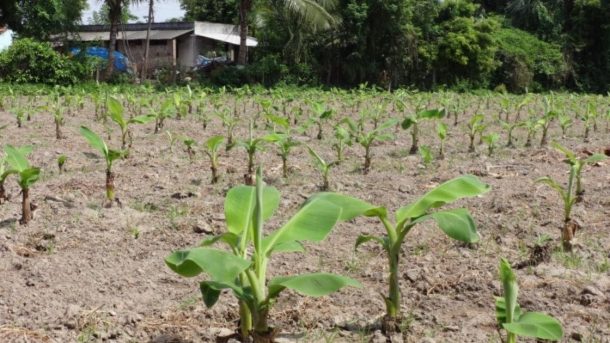
Use soil that is well drained, rich and well nourished to feed your plant. It is important to provide at least 12 hours of sunlight to encourage growth, flowers and fruit. Water banana plant regularly, thoroughly and deeply to keep the soil moist. Bananas can grow from the poorest to the richest type of soil with different successes.

Avoid low lying soil, very sandy and heavy black cotton with poor drainage. Soils that are high in acid and not too alkaline, rich in organic matter with high nitrogen, adequate levels of phosphorus and abundant potash are good for bananas.

What is the Soil requirement and how field preparation is done for Pumpkin cultivation?

Pumpkin

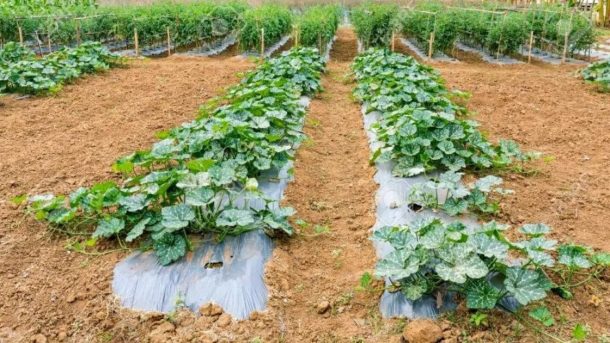
It thrives well in a variety of sandy loam soil with good organic matter is best suited. Soil with good drainage and the PH range of 6 to 7 is ideal for pumpkin cultivation. The field should be levelled to fine tilth, well-drained, fertile (can make adding organic compost of farm Yard Manure (FMY). The selected main field should also have an assure water source.