Sustainable agriculture

How to propagate Noni plants from seeds?

Noni plants

Noni plants are propagated from seeds, stem or root cuttings and air layering. The preferred methods of propagating are from seed and by cutting made from the stem. Noni plants produce flowers and fruit around the year. Fruits are collected from plants have large fruit, vigorous leaf growth for hedges etc.

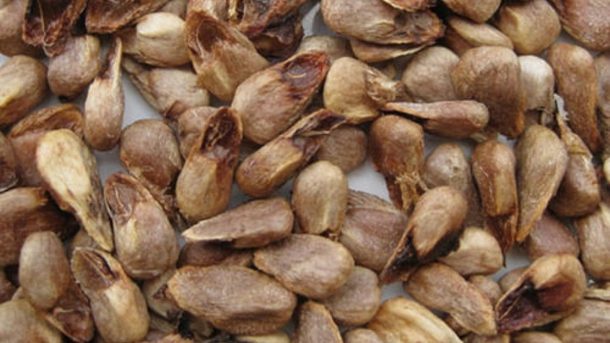
Noni seeds are in reddish brown, oblong triangular and have a conspicuous air chamber. The Noni fruit seeds are buoyant and hydrophobic, water repellent fibrous seed coat. The seed coat of Noni fruit is very tough, relatively thick and covered with cellophane like parchment layers. A single large Noni fruit can have 100- 150 seeds. For seed propagation use Noni fruits should be chosen for seed collection. The seeds are collected from fibrous, clinging fruit flesh.
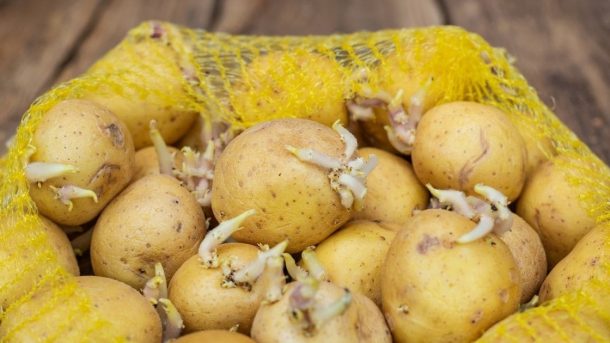
What would be the spacing between potato plants?

potato

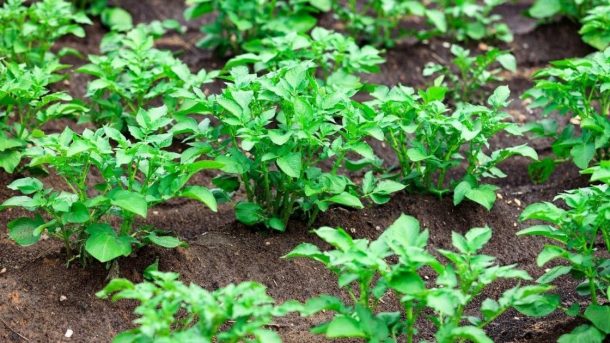
The planting distance used during potato farming is 50 ×20 or 60×25 cm such that the planting density or seed rate is 1.40 kg for 10 sq. meter area. The spacing is not specifically recommended for potatoes but it is advisable to plant tubers or seed potatoes so that there is enough space for them to grow. The general recommendation is made on the seed rate, which is expected to be around 2 tonnes per hectare.

How long does it take for potatoes to sprout?

sprout

It is not always recommended, but few farmers prefer to sprout the seed potatoes before planting them. This process of sprouting is often referred to as green sprouting or pipping. The seed potatoes to be used for planting are initially spread under the sunlight such that the temperature is around 70°F for a week or two. This enables to produce sprouts on the potatoes, which can be used for planting. The average sprouting time is estimated to be 14 to 28 days if the potatoes are directly planted into the soil with proper warmth.

How watering is done in orange cultivation?

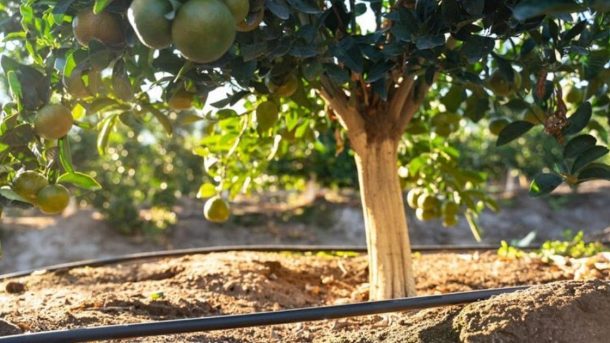
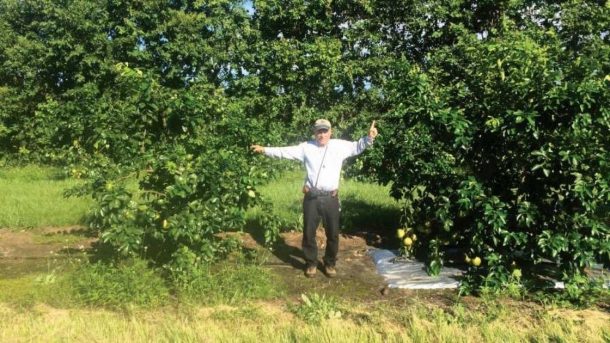
After the planting hole is filled, irrigate immediately to saturate the soil. After soil is settled, ensure that the graft union is still 2 – 3 inches above the soil level. When rainfall is not adequate, irrigate the newly planted trees at least once each week during the first growing season. Earthing up soil around the tree trunks can help prevent spread of diseases like Phytophthora. Some trees like mango, citrus require stress period for flowering. Avoid irrigation before flowering period. Irrigate at 10-15 days intervals when fruits are growing till maturity. Stop irrigation during fruit ripening period. Irrigation at the time of fruit ripening period will reduce sweetness.

What is sod in orange cultivation?

cultivation

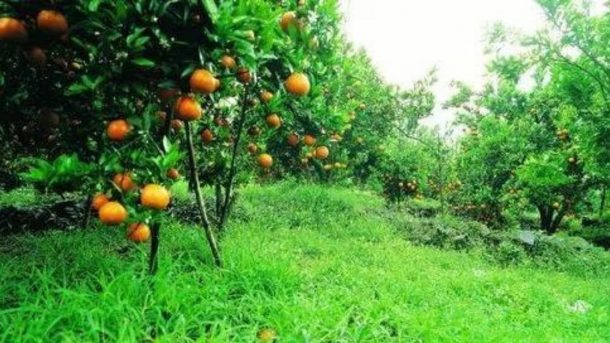
In this method, permanent cover of grass is raised in the orchard and no tillage is given. This type of orchard cultivation is followed in USA and Europe. This may be useful in sloppy lands for preventing soil erosion. But they compete for soil moisture and available nitrogen and require increased quantity of manure and water. They are harmful to shallow rooted trees. Hence sod may be useful with deep rooted trees because soil moisture will be very low on the top layers.

How mulching is done in orange cultivation?

mulching

Crop residues like straw, cotton stalks, leaves, saw dust, pine needles, coir dust and other materials like polythene films or certain special kinds of paper are spread in the tree basins and in inter spaces between trees to conserve soil moisture and to control the weed growth. Mulching keeps the soil cool in day; warm at night hours, reduces surface run-off, adds humus to the soil and prevents soil erosion. Fruits are protected and kept clean since they fall on the mulches. It allows the absorption of more rain water and reduces irrigation frequency. However, dry materials used as mulches encourage the risk of fire and consequent damage to trees. Thick mulches may act as places for mice and rodents to live and multiply causing damage to tree trunks and roots by eating the bark and burrowing. The mulching materials should be placed too close to the tree trunk and it should be spread in such a way that they give a good cover to the root system of the trees.

How trees are planted in contour system for orange cultivation?

system

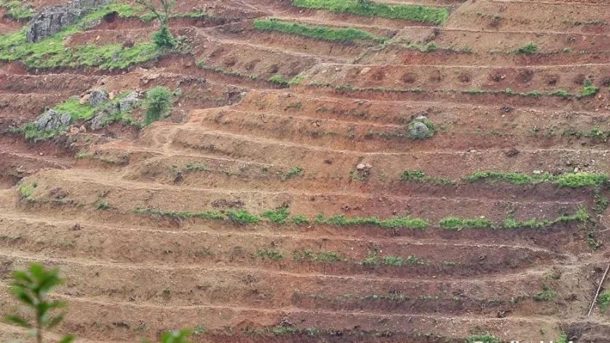
It is generally followed on the hills with undulated topography to minimize land erosion and to conserve soil moisture. In this system, plants are planted along the contour across the slope. The contour line is so designed and graded in such a way that the flow of water in the irrigation channel becomes slow and thus finds time to penetrate into the soil without causing erosion. In terrace system planting is done on flat strip of land formed along the contours. Terraced fields rise in steps one above the other and help to bring more area into productive use and also to prevent soil erosion. The width of the contour terrace varies according to the nature of the slope. The planting distance under the contour system may not be uniform.