Sustainable agriculture

What is Monoculture of Modern farming methods?

Monoculture

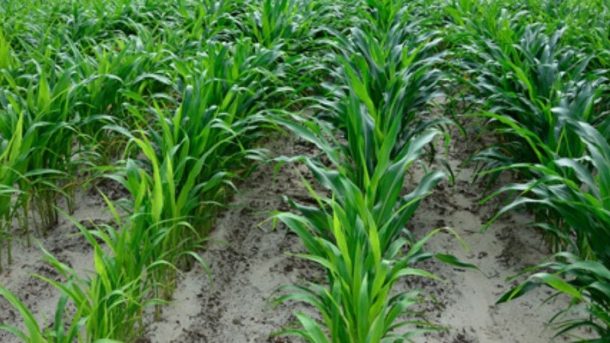
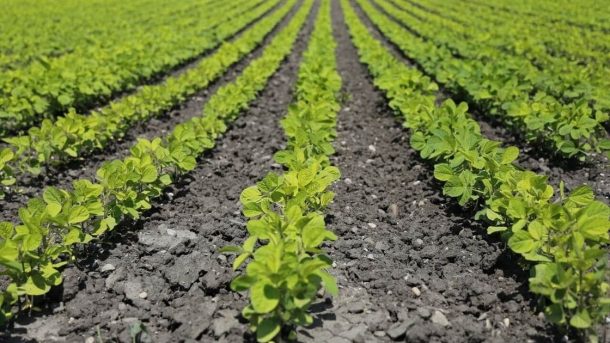
The monoculture farming method is the raising of a single crop within a specified area. Most of the commercial farms in the United States are now in monoculture nature with crops like corn and soy taking top billing. This is in contrast to the traditional technique of farming, which relied on multiple crops being planted within a specific area. Many indoor farms growing medicinal herbs and flowers are measured to be monoculture farms.

Monoculture is the agricultural practice of producing as single crop, single plant or livestock species, variety or breed in a field or farming system at a time. Monoculture farming is widely used in both industrial farming and organic farming and has allowed increased efficiency in planting and harvest.
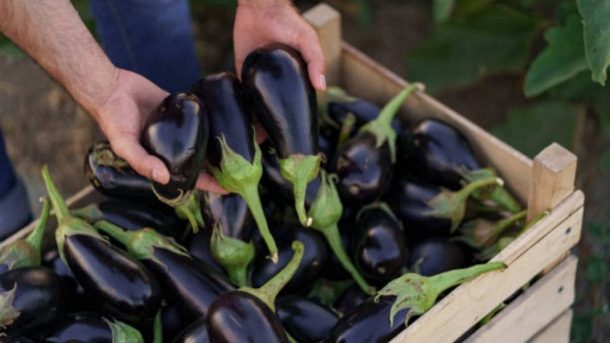
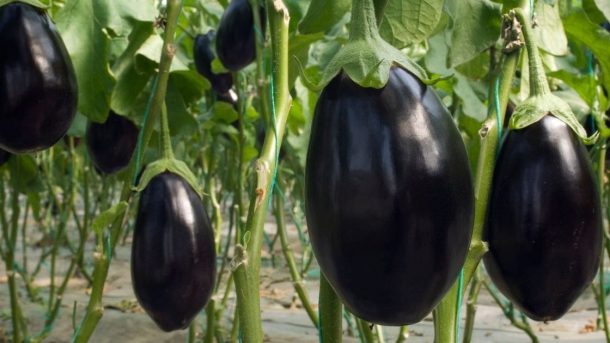
Which climate is suitable for Brinjal production?

Brinjal

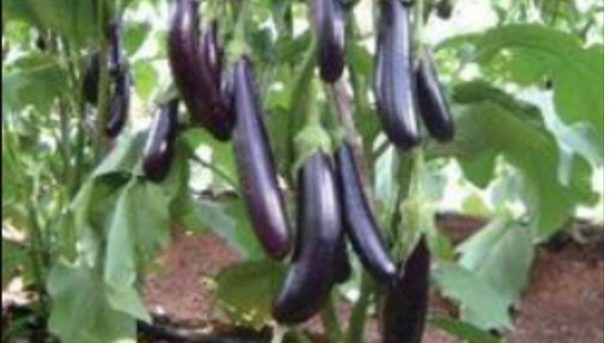
The brinjal is warm season crop, therefore susceptible to severe frost. Low temperature during cool season causes deformation of vegetables. A long and warm growing season desirable for successful brinjal farming. Cool nights and short summers are not suitable for satisfactory production. A daily average of 13 to 21°C is most favorable for optimum growth and yield. The brinjal seed germinates well at 25°C.

Is sorghum annual or perennial?

perennial

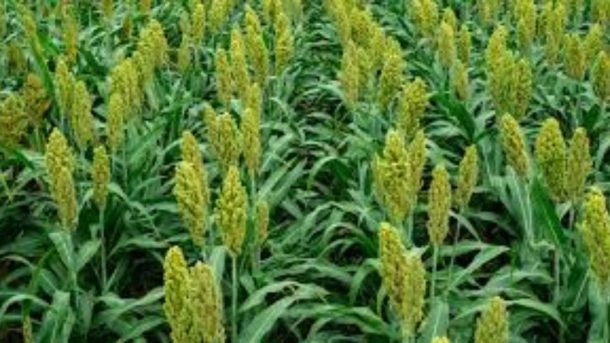
Sorghum crop is a member of the grass family that grows well in tropical and subtropical regions of the world. The sorghum plant is recognizable by its distinctive brown flower head. Sorghum is a tall plant and reaching heights up to 12 feet. Sorghum plant can be annual or perennial depending up on the variety.

What is the seed rate required to grow sorghum and how seed treatment is done?

seed rate

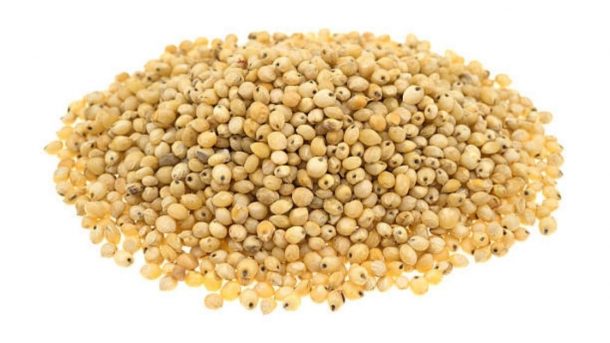
The required plant population can be obtained by using a seed rate of 8 -12 kg/ha. The seeds are sown about 3 to 4 cm deep on the furrows. The optimum seed rate for grain sorghum is 10 pounds of seed per acre assuming a seed size of 14,000 seeds per pound and 70% emergence. The seed size varies from about 13,000 to 16,000 seeds/pound depending on the hybrid. The seeding rate on a pound per acre basis must be decreased for smaller seed and increased for larger seed. The goal is to achieve about 1,00,000 plants per acre.

The seeds of sorghum are treated with the 300-mesh sulfur powder about 4 gm of sulfur per kg of seeds for controlling the smut disease. The sorghum seeds are soaked in 30% salt solution. Ergot affected sorghum seeds which floats are removed to avoid the incidence of ergot disease.

How spacing is maintained while growing sorghum?

spacing

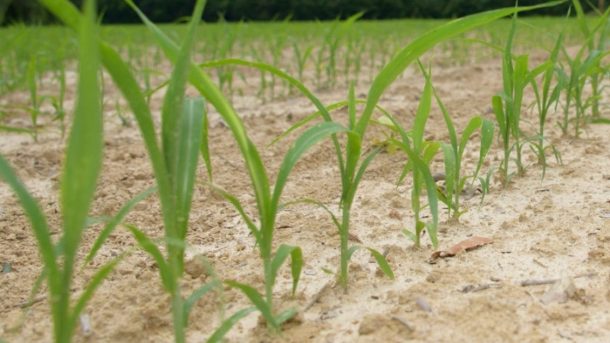
Sorghum can be planted on beds or flat ground. Sorghum row spacing ranges from about 6 to 40 inches apart or in twin rows in a variety of configurations. For higher yields will result from plantings in 20- or 30-inch rows compared to 40-inch rows or in twin rows compared to 40-inch rows or in twin rows spaced 12 to 14 inches apart on 38-to-40-inch beds. A spacing of 40 to 45 cm between the rows and 15 to 20 cm between the plants is quite satisfactory.

Which soil is suitable for sorghum cultivation?

suitable

Sorghum is grown on low potential, shallow soils with high clay content, which usually are not suitable for the production of maize. Sorghum grows poorly on sandy soils, except where a heavily textured sub soil is present. Sorghum is more tolerant of alkaline salts than other grain crops and can be successfully cultivated on soil with a pH level between 5.5 to 8.5. It can tolerate short periods of water logging compared with maize. Soils with a clay percentage of between 10 % and 30% are optimal for sorghum farming.

How pruning is done in Jasmine plant?

Jasmine

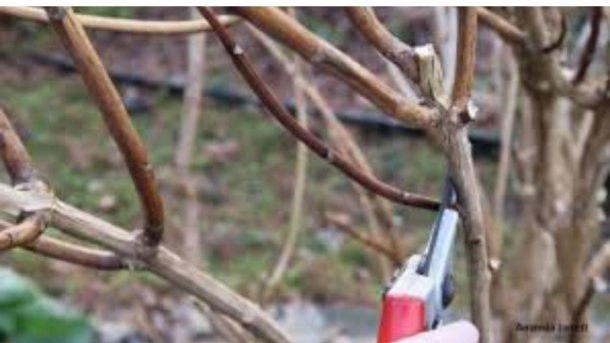
Pruning is an important activity and influences the plant growth, flower bud initiation, differentiation and ultimately the flower yield in jasmine farming. Irrigation must be stopped before pruning and plants are to be pruned to half their original length. All the leaves are stripped off after pruning. All the cut ends are smeared with a Bordeaux mixture to prevent entry of pathogens. Pruning is done at 45 cms from the ground level. Pruning is done during mid-December to mid-January results in the maximum number of branches and higher yield of flowers.

How weeding is done Jasmine Cultivation?

Jasmine

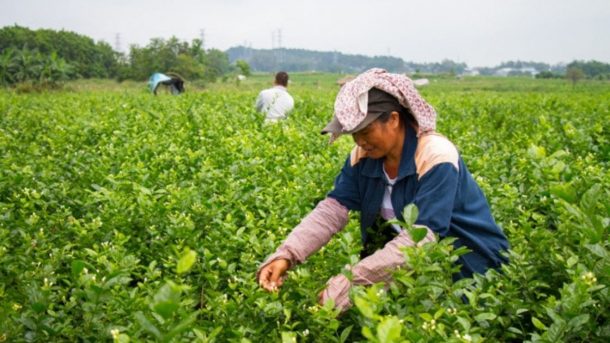
Generally, weeds compete with main crop for nutrients. Therefore, it is essential to remove the weeds at the appropriate time and keep jasmine garden weed free. After pruning, make sure to stir the soil from the main stem around the bushes to a depth of 15 cm. This process should be carried out every 2 to 3 months. Though manual weed control is effective, it is very expensive. Mulching also reduces the weed population considerably. Though chemical of weeds is not preferred, it is economical and efficient when compared to organic controls.